


Element Resources Marks 50 Years of Lead Battery Recycling at Missouri Facility


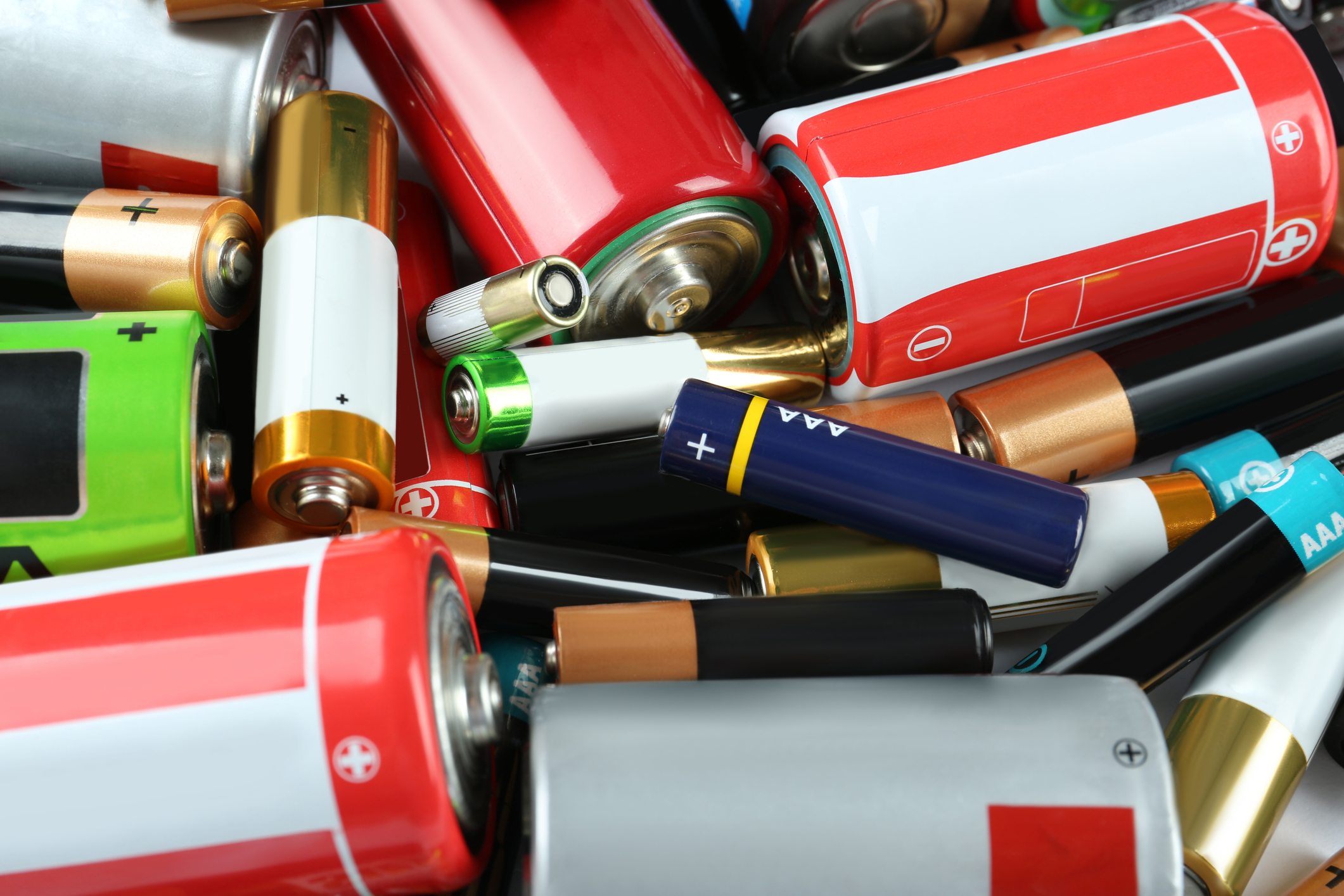
U.S.-based recycler Element Resources has marked the 50th anniversary of its lead battery recycling plant in Forest City, Missouri, highlighting the site’s role in processing used batteries and supplying secondary materials to North American manufacturers.
The facility, which began operations in 1976, employs around 100 people and is one of the largest employers in Holt County. Local organizations, including the Chamber of Commerce and Missouri Western State University, have recognized the plant for its contribution to regional employment and economic stability in a predominantly rural area.
Element Resources operates the site as part of its network of recycling facilities focused on recovering materials from spent lead-acid batteries. The Forest City plant processes approximately 2 million batteries annually, producing around 35,000 tons of recycled lead and recovering roughly 2.5 million pounds of plastic for reuse.
The operation supports a closed-loop system for lead batteries, where recovered metals such as lead, tin and antimony are reintroduced into new battery production. This model remains one of the more established examples of circularity in the battery sector, with high recovery rates and consistent feedstock supply.
Chuck Giesige, general manager of the Forest City facility, said the plant has maintained a steady flow of recycled materials back into the supply chain over five decades. He noted that the operation continues to support domestic availability of critical minerals used in energy storage, transportation and industrial applications.
Lead-acid batteries remain widely used in automotive and backup power systems, and their recycling infrastructure is among the most mature in the broader battery market. Facilities such as Forest City play a key role in maintaining supply continuity while reducing reliance on primary extraction.
Source: Element Resources
SUNSHINE Spotlight: Established lead battery recycling systems continue to anchor circular supply chains, offering a model for newer battery chemistries still building similar infrastructure.


