


Altilium Secures £18.5M to Build UK’s First Commercial EV Battery Recycling Refinery


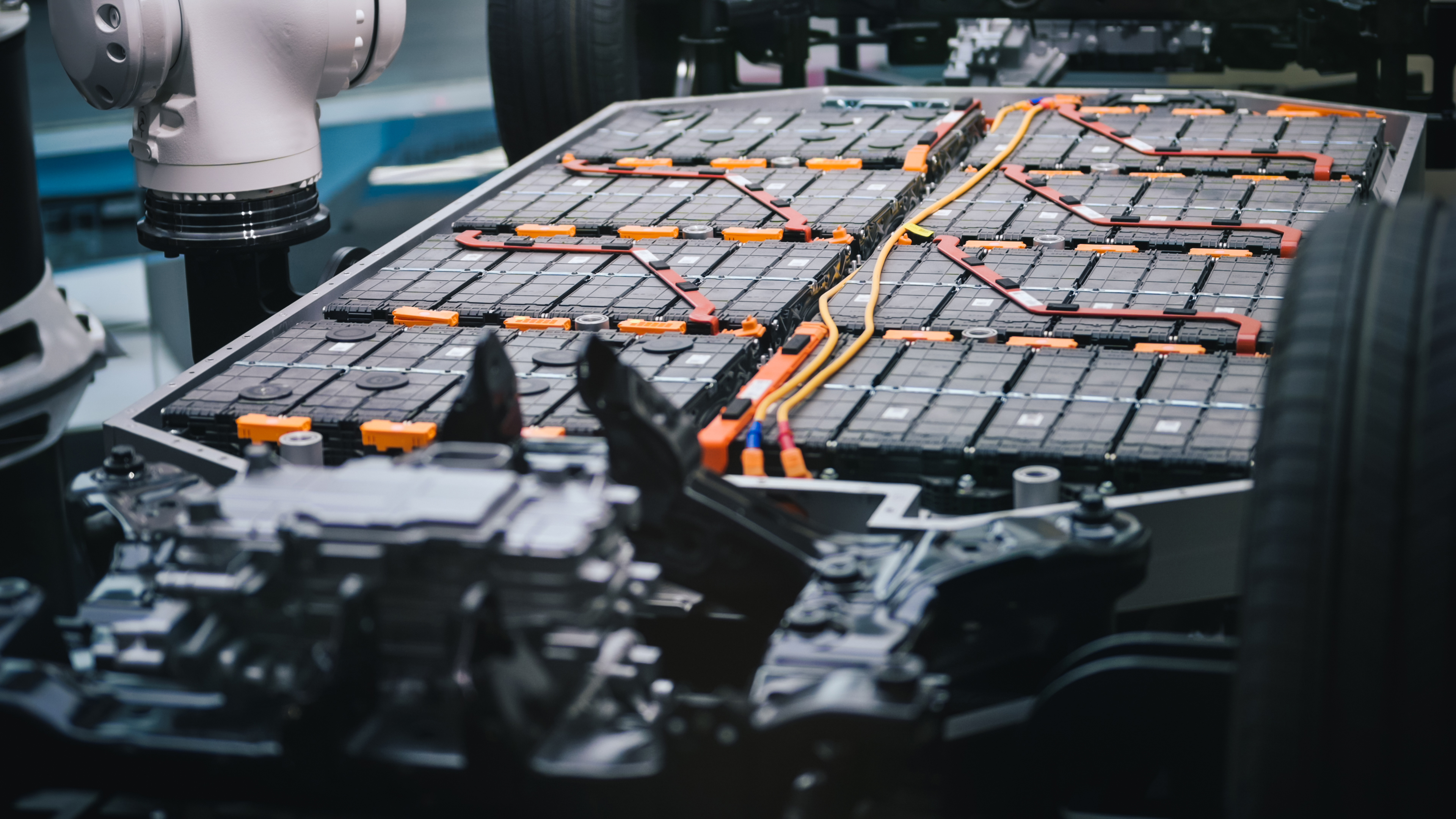
UK-based clean technology company Altilium has secured £18.5 million in government funding to support the construction of a commercial-scale EV battery recycling facility in Plymouth, marking a step toward building domestic capacity for critical battery materials.
According to reports, the funding comes from the UK’s DRIVE35 Scale-Up Fund and is being delivered through the Department for Business and Trade in partnership with the Advanced Propulsion Centre UK and Innovate UK. It will be used to develop Altilium’s ACT3 plant in Devon.
The planned facility is expected to process around 24,000 end-of-life EV batteries per year. Output will include nickel mixed hydroxide precipitate (MHP), lithium sulphate and graphite—materials that can be fed back into battery production.
Altilium already operates a pilot-scale recycling plant in Plymouth. The ACT3 project is intended to move the company beyond testing and into commercial operations, while also laying the groundwork for its larger ACT4 facility planned in Teesside, which is expected to handle significantly higher volumes.
The company says the new plant will help keep more battery materials within the UK, rather than relying on overseas processing. At present, much of the country’s battery waste is exported, even as demand for lithium and other inputs continues to rise.
Christian Marston, chief operating officer at Altilium, said the funding allows the company to take its technology to the next stage. “By scaling our recycling technology and building the UK’s first commercial facility of its kind, we are closing the loop on battery materials and enhancing the growth, productivity and competitiveness of the UK automotive supply chain,” he said.
Construction is scheduled to begin in summer 2026, with operations expected to start in late 2027. Once up and running, the plant is projected to produce around 5,200 tonnes of nickel MHP, 8,000 tonnes of lithium sulphate and 5,400 tonnes of graphite annually.
The project comes as the UK looks to strengthen its domestic supply of battery materials. Government estimates suggest lithium demand could grow more than tenfold by 2035, while battery scrap volumes are also expected to increase sharply.
Altilium’s hydrometallurgical process has been tested with automotive partners including Jaguar Land Rover and Nissan. The company says it can recover over 95% of key materials, with lower emissions compared to traditional mining.
The grant is also expected to help attract additional private investment. So far, Altilium has raised more than £17 million from investors including SQM, Marubeni Corporation and Mizuho Bank.
Source: Altilium
SUNSHINE Spotlight: The UK is stepping up efforts to keep battery materials onshore, with recycling capacity emerging as a critical gap in its EV supply chain.


