


BASF and TSR Group Partner on Early-Stage EV Battery Recycling in Europe


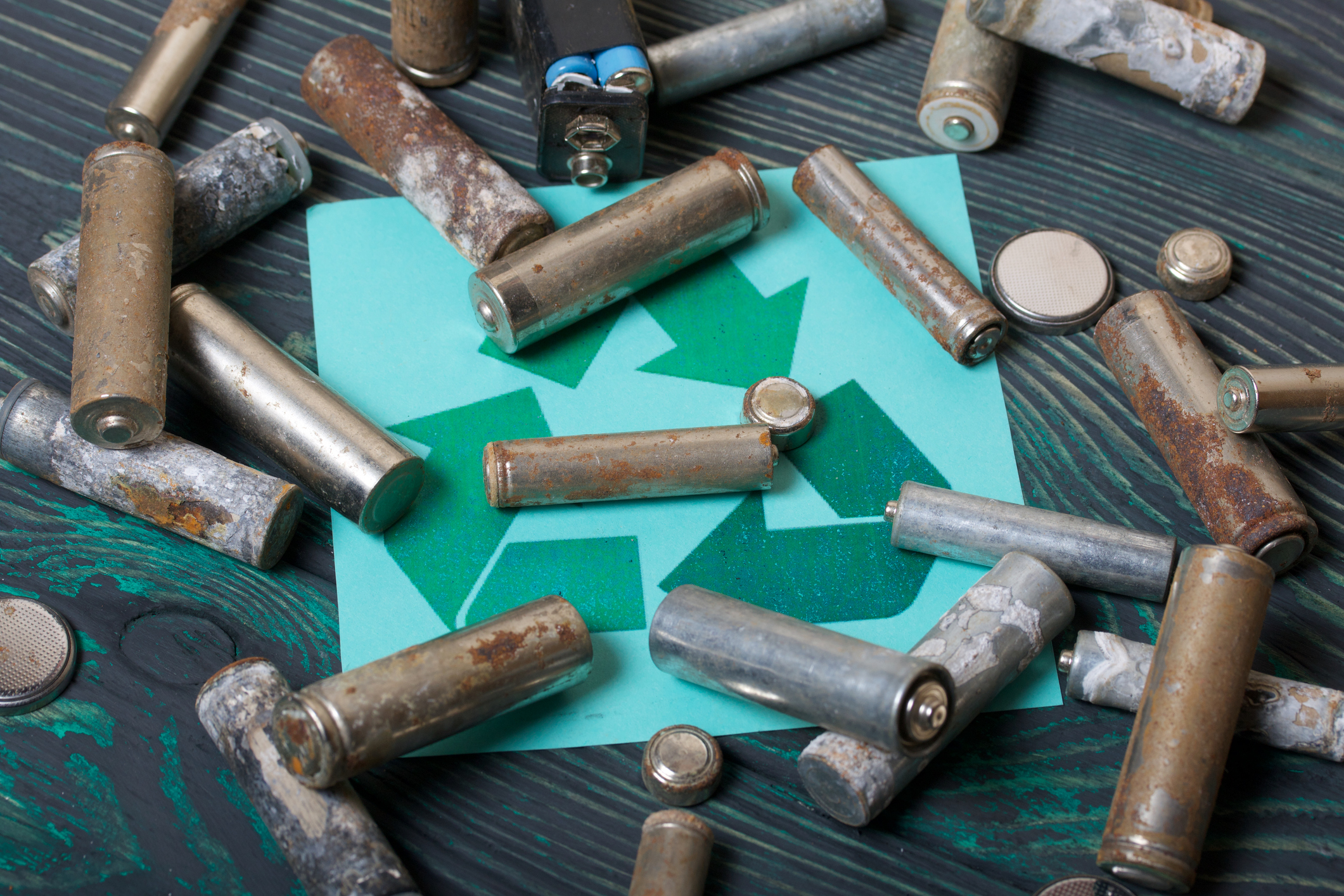
German chemicals producer BASF and metal recycler TSR Group have agreed to collaborate on the preliminary stages of electric vehicle (EV) battery recycling, focusing on dismantling, discharging and processing end-of-life batteries into black mass.
The partnership covers early-stage treatment of used lithium-ion batteries, including safe disassembly and discharge, followed by conversion into black mass—a key intermediate containing valuable metals such as lithium, nickel and cobalt. The companies are also assessing additional areas of cooperation, including processing metal fractions from recycling streams and expanding logistics for battery collection.
According to reports, TSR, part of the REMONDIS Group, will contribute its established capabilities in handling complex material streams and battery logistics. Through its joint venture BLC, established with logistics provider Rhenus Automotive, the company will handle dismantling and discharging operations. TSR brings an established network of more than 190 permitted sites across Europe, along with experience in processing complex metal and electronic waste streams.
BASF, which produces cathode active materials (CAM) for lithium-ion batteries, has been expanding its recycling footprint alongside its core materials business. Its Schwarzheide site in Germany serves as a hub for battery activities, including a black mass production facility, a large-scale CAM plant and a prototype metal refinery.
The cooperation is intended to link pre-processing and materials recovery more closely, helping to build a more integrated battery recycling value chain in Europe. Both companies said they will also explore further joint activities, including processing metal fractions from recycling streams and strengthening logistics for end-of-life batteries.
“Partnerships are essential to build the battery recycling market at pace,” said Daniel Schönfelder. He added that working with TSR expands BASF’s access to feedstock and services, while supporting customers seeking to close material loops.
Marc Affüpper said retaining battery metals within Europe is becoming a strategic priority. “If these raw materials remain in the regional market and are reintroduced into production, it strengthens industrial value creation and reduces dependency on external supply,” he said.
The agreement comes as European policymakers and industry push to localize critical material supply chains, with recycling seen as a key lever to reduce reliance on imports and support the region’s growing EV market.
Source: BASF
SUNSHINE Spotlight: European recyclers and material producers are aligning to secure battery metal supply locally, with partnerships targeting gaps in early-stage processing and logistics.


