


Emirates Biotech Joins EU-Backed Project to Turn Food Waste into Bioplastics


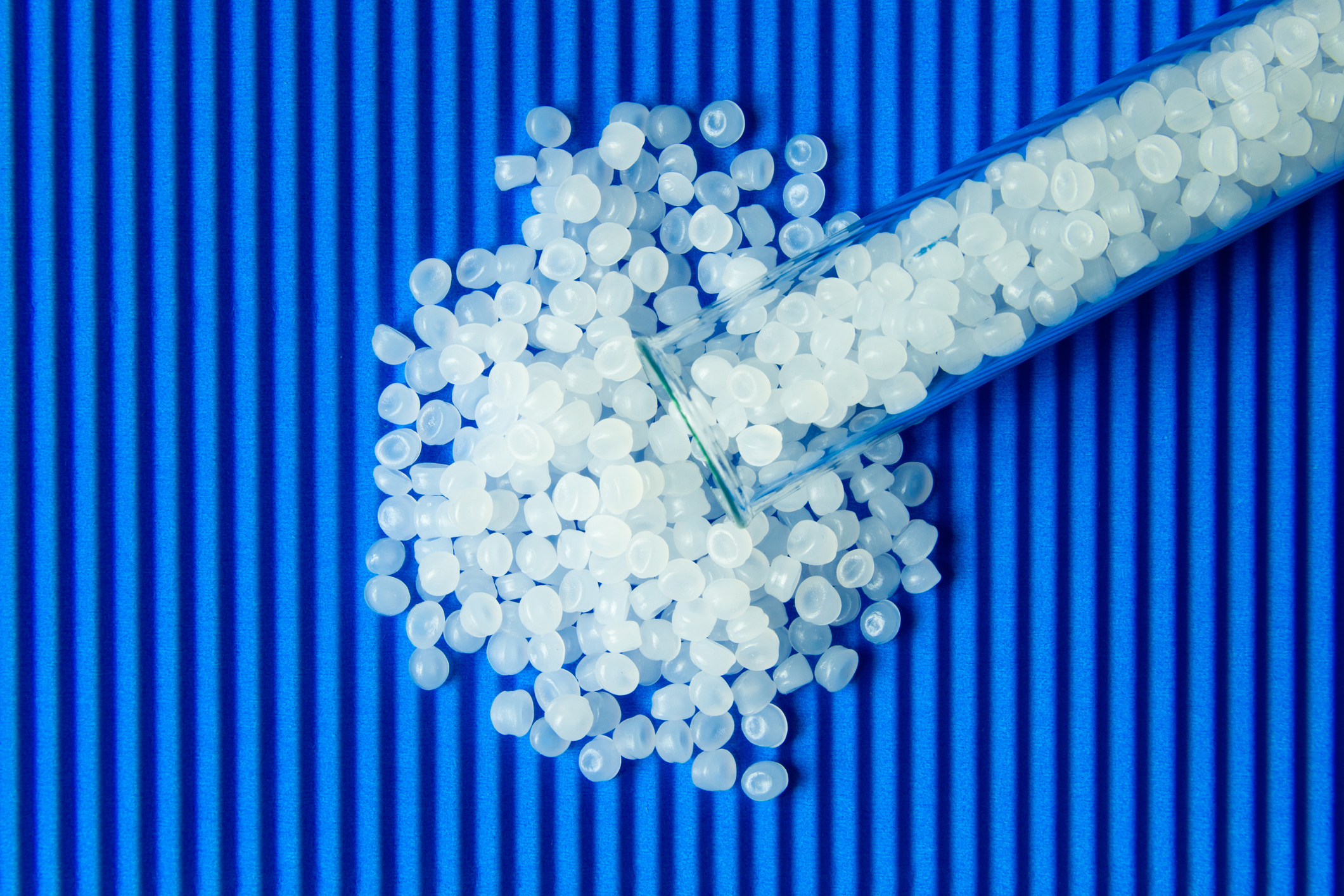
Emirates Biotech has joined a European research consortium working to convert food waste into industrial-scale bioplastics, expanding international efforts to develop circular materials from organic waste streams. The Dubai-based company said it will participate in the CIRCLE project, a four-year initiative supported by €27 million in funding from the Circular Bio-based Europe Joint Undertaking under the European Union’s Horizon Europe programme.
The project brings together 17 partners spanning waste management, chemical processing and consumer product manufacturing. Its objective is to demonstrate an integrated biorefinery capable of transforming discarded food into high-value bio-based chemicals, including polylactic acid, a biodegradable polymer widely used in packaging and consumer goods.
Within the consortium, Emirates Biotech will oversee the polymerization stage, converting lactic acid derived from food waste into high-purity PLA. The company said the material will be supplied to other partners for performance testing and product development across several sectors, including automotive components, cosmetics packaging and food-contact applications.
Bio-based plastics have gained attention as governments and manufacturers search for alternatives to petroleum-based polymers. Analysts note that PLA is already one of the most widely commercialized biodegradable plastics, commonly used in packaging, disposable tableware and certain textiles. However, most PLA production relies on agricultural feedstocks such as corn or sugarcane, raising concerns among some policymakers about competition with food resources. Projects focused on waste-derived feedstocks are therefore seen as a potential pathway to reduce environmental impacts while expanding production.
The CIRCLE consortium aims to demonstrate that food waste collected at waste management facilities can serve as a viable raw material for producing lactic acid and downstream polymers. Observers say integrating biorefineries directly with waste management infrastructure could significantly reduce the carbon footprint associated with both waste treatment and material production.
The initiative includes industrial and research partners across the value chain, coordinated by biotechnology company TripleW. Participants include automotive manufacturer Volkswagen, dairy group FrieslandCampina, cosmetics brand Davines, engineering firm Sulzer and biomaterials developer Sulapac, reflecting growing cross-sector interest in bio-based materials.
The project has already reported a laboratory milestone. In September 2025, consortium researchers produced what they described as the first laboratory-scale PLA made entirely from food waste. Emirates Biotech’s role is expected to help move the concept toward industrial validation and commercial-scale manufacturing.
François de Bie, chief commercial officer at Emirates Biotech, said demonstrating that high-performance biopolymers can be derived directly from food waste would represent a significant step for the industry. Demand for sustainable materials is rising rapidly in sectors such as automotive and cosmetics, he said, and the project aims to deliver polymer grades compatible with existing production processes.
The collaboration also aligns with Emirates Biotech’s longer-term expansion plans. The company is developing a large-scale PLA production facility scheduled to begin operations in 2028 with an annual capacity of about 80,000 tonnes. Analysts say linking research initiatives with upcoming manufacturing capacity could accelerate the commercialization of next-generation bio-based plastics.
Industry observers note that Europe’s Horizon Europe programme and related bioeconomy initiatives have increasingly prioritized technologies that convert waste streams into valuable materials, reflecting broader efforts to reduce landfill volumes and dependence on fossil-based chemicals.
Source: Emirates Biotech
SUNSHINE Spotlight: A new EU-backed consortium is working to transform food waste into commercial-grade bioplastics, highlighting the growing push to turn organic waste streams into circular industrial materials.


