


Cox Automotive Reaches 10 Million Pounds of Recovered EV Battery Materials


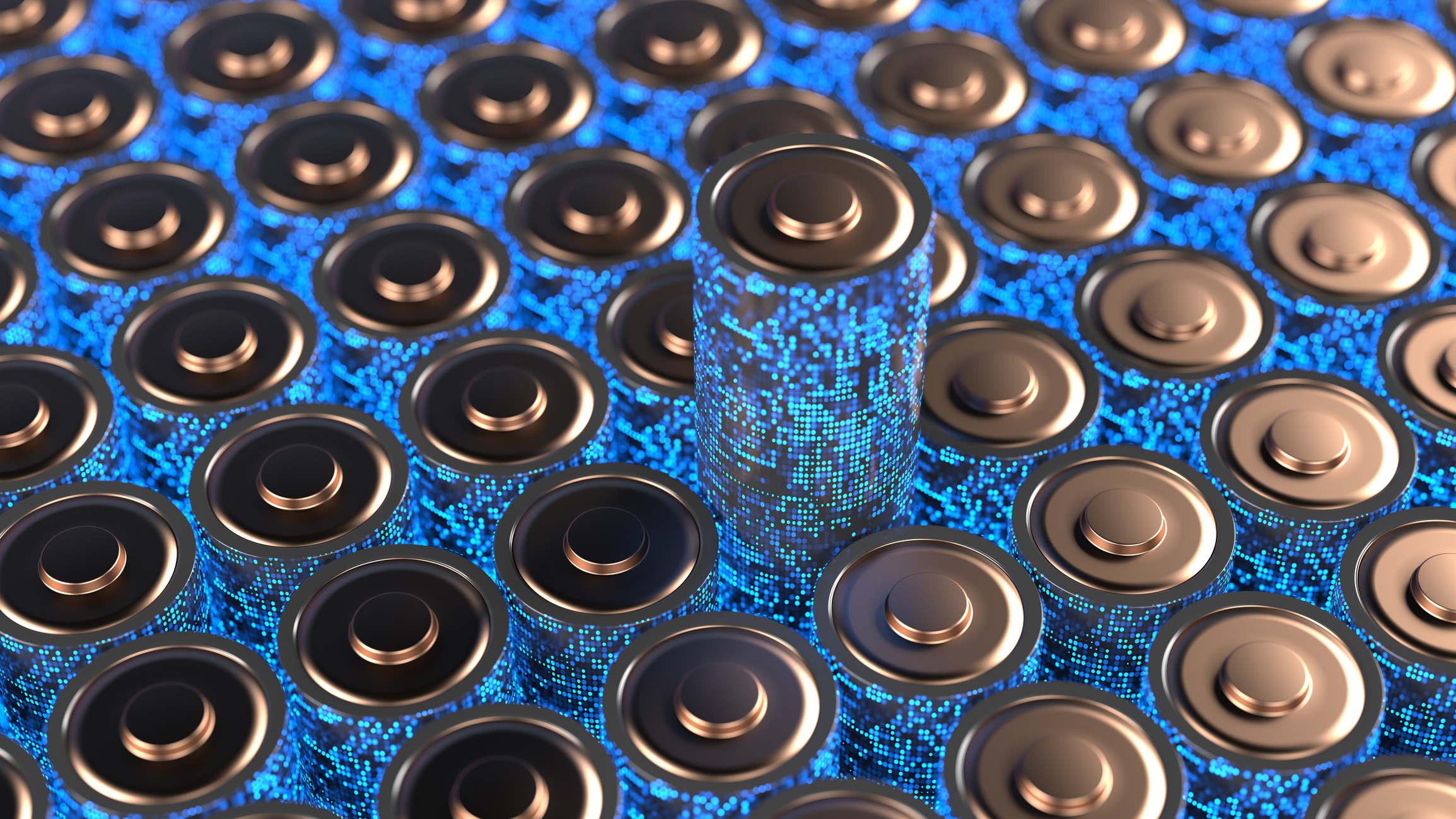
Cox Automotive said its EV Battery Solutions division has processed more than 10 million pounds of black mass from used electric vehicle batteries, marking a milestone as the automotive industry prepares for a growing wave of end-of-life battery materials. The company disclosed the figure in a recent update on its battery lifecycle operations, highlighting the role recycling infrastructure is expected to play as electric vehicles move deeper into the used-car market.
Black mass, a powder produced during battery recycling, contains valuable metals such as lithium, nickel and cobalt that can be refined and reused in new battery production. By recovering these materials, recyclers aim to reduce dependence on newly mined resources while supporting a more circular battery supply chain. Analysts say expanding recovery capacity is becoming increasingly important as global EV adoption accelerates and regulators push automakers to manage battery waste more responsibly.
Industry data show that electric vehicles are beginning to appear in larger numbers in secondary markets. Cox Automotive estimates EVs accounted for roughly 5 percent of lease maturities in 2025 and could exceed 12 percent in 2026, with projections approaching 23 percent by 2028. Observers note that the shift will significantly increase the volume of batteries requiring diagnostics, refurbishment, second-life deployment or recycling.
The company positions recycling as one element of a broader battery lifecycle strategy that also includes repair, remanufacturing and reuse. According to Cox Automotive, the EV Battery Solutions unit provides services ranging from battery logistics and safety handling to refurbishment and material recovery. Industry groups argue that these capabilities will become essential as used EV inventories grow and safety concerns surrounding damaged or degraded batteries remain a priority for transport and storage operators.
Recycling operations are carried out at the company’s facility in Oklahoma City, where technicians dismantle battery packs and process them using a proprietary dry-shredding method. The approach avoids water-based chemical treatments and instead relies on mechanical disassembly, shredding and air-based separation to isolate metals and other recoverable components. The company said the system can achieve material recovery rates of up to 94 percent.
Brian Skalovsky, director of battery recycling at EV Battery Solutions by Cox Automotive, said the milestone reflects increasing scale in the battery recycling sector as more electric vehicles reach later stages of their lifecycle. Lea Malloy, vice president of EV Battery Solutions, added that building infrastructure for repair, reuse and recycling will be critical to making large-scale electrification viable.
Analysts say the EV battery recycling industry remains in an early growth phase but is expected to expand rapidly over the next decade. Governments in the United States, Europe and Asia are introducing rules that require higher recovery rates and responsible end-of-life management for battery materials, while automakers seek domestic sources of critical minerals to support future battery production.
As EV adoption continues to rise, companies involved in battery processing are racing to build capacity and establish supply chains capable of handling increasing volumes of spent batteries. Industry observers say milestones such as Cox Automotive’s highlight the transition of battery recycling from experimental projects toward industrial-scale operations.
Source: Cox Automotive
SUNSHINE Spotlight: Surging EV adoption is pushing battery recycling from pilot stage to industrial scale, with recovered materials emerging as a critical resource for the future electric mobility supply chain.


