


BMW Taps PreZero to Build Closed-Loop Recycling for End-of-Life Vehicles


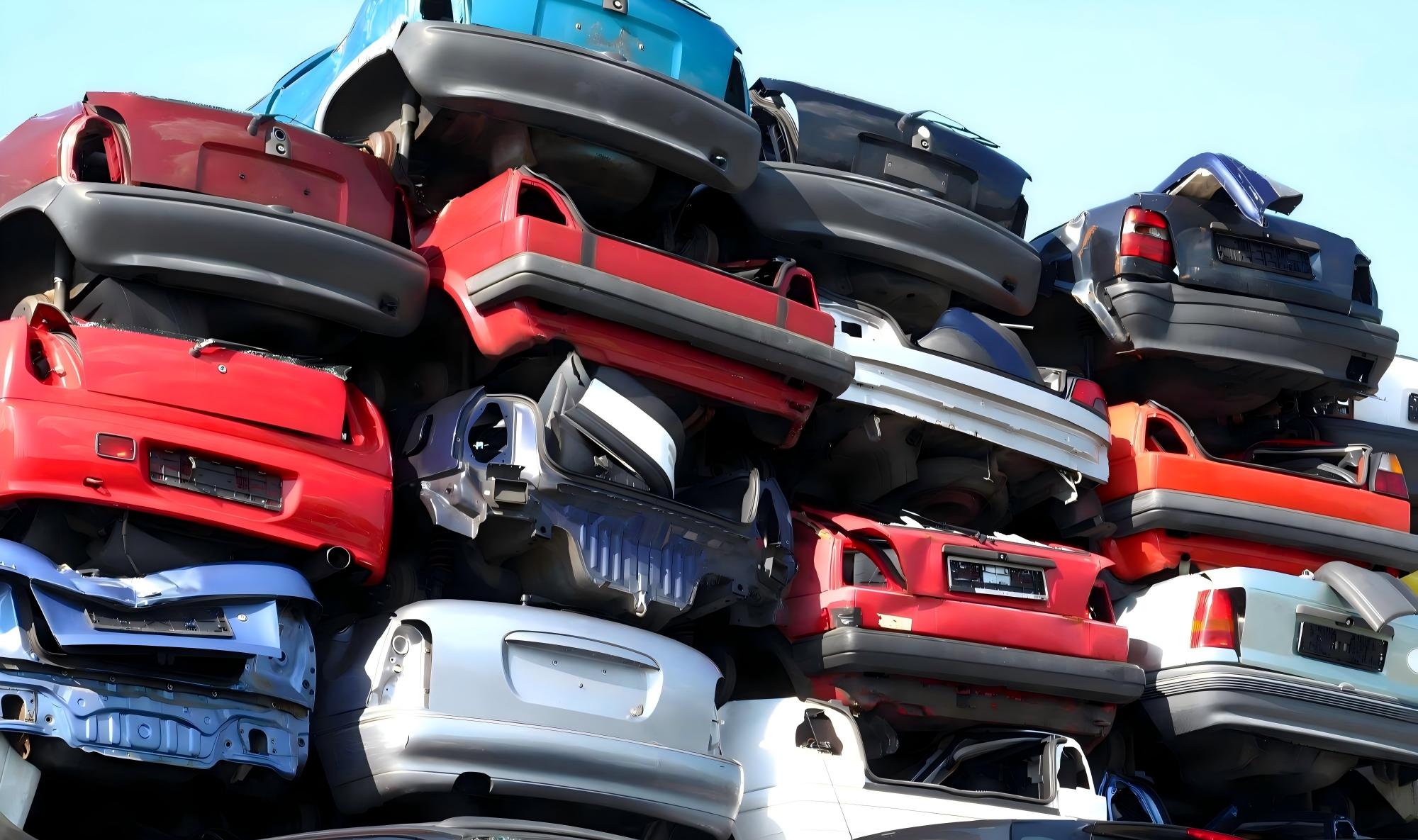
BMW Group has entered a recycling partnership with PreZero, the waste and environmental services company backed by Schwarz Group, as the automaker looks to turn end-of-life vehicles into a reliable source of secondary raw materials, company statements and German media reporting show. The move underscores growing pressure on carmakers to secure materials, cut emissions, and comply with tightening European circular economy rules.
The agreement comes as German automakers accelerate investments in circularity, following Volkswagen Group’s recent launch of a circular economy hub in Zwickau. Analysts say these initiatives reflect mounting concern over raw material volatility, geopolitical supply risks, and stricter EU regulations on recycling rates and recycled content in vehicles.
BMW said the collaboration with PreZero is designed to create a commercially viable recycling model covering vehicles of all powertrain types, not only electric cars. The focus is on closing material loops across the vehicle lifecycle, from design to dismantling, with the aim of reducing reliance on primary resources and strengthening supply chain resilience.
As part of the initiative, BMW will expand its “design for recycling” approach, integrating dismantling and material recovery considerations earlier in vehicle development. End-of-life cars will be treated as strategic material assets, with usable components such as parts prioritized for reuse before recycling. Remaining materials will then be processed through advanced recovery systems to extract high-quality metals and other inputs for reintegration into manufacturing streams.
Company executives argue the strategy is both environmental and economic. BMW has previously stated that secondary materials can significantly reduce lifecycle emissions, particularly for steel and aluminum, while insulating manufacturers from commodity price swings. Observers note that recycled inputs are expected to play a growing role as Europe moves toward mandatory recycled content targets under forthcoming vehicle and battery regulations.
PreZero brings expanding automotive recycling capabilities to the partnership. Data cited by German business daily Handelsblatt show the company has broadened its footprint through acquisitions, including the purchase of battery recycler Re.Lion.Bat Circular in 2024. That facility processes lithium-ion batteries from electric vehicles and tools, separating plastics, metals, and so-called black mass, which is currently shipped to specialized processors outside Europe for further refining.
Industry groups say collaborations like BMW and PreZero’s could help address a long-standing bottleneck in Europe’s recycling market: the gap between collection and high-grade material recovery at scale. They argue that closer coordination between automakers and recyclers is essential to keep valuable materials within regional supply chains.
Analysts expect similar partnerships to multiply as carmakers prepare for stricter end-of-life vehicle rules expected later this decade. Whether such models can deliver consistent volumes of high-quality recycled materials at competitive costs remains a key test for the industry.
Source: electrive
SUNSHINE Spotlight: BMW’s partnership with PreZero highlights how automakers are turning vehicle recycling into a strategic tool for securing materials and reducing supply chain risk.


