


SOLARCYCLE Starts Industrial-Scale Solar Panel Recycling in Georgia


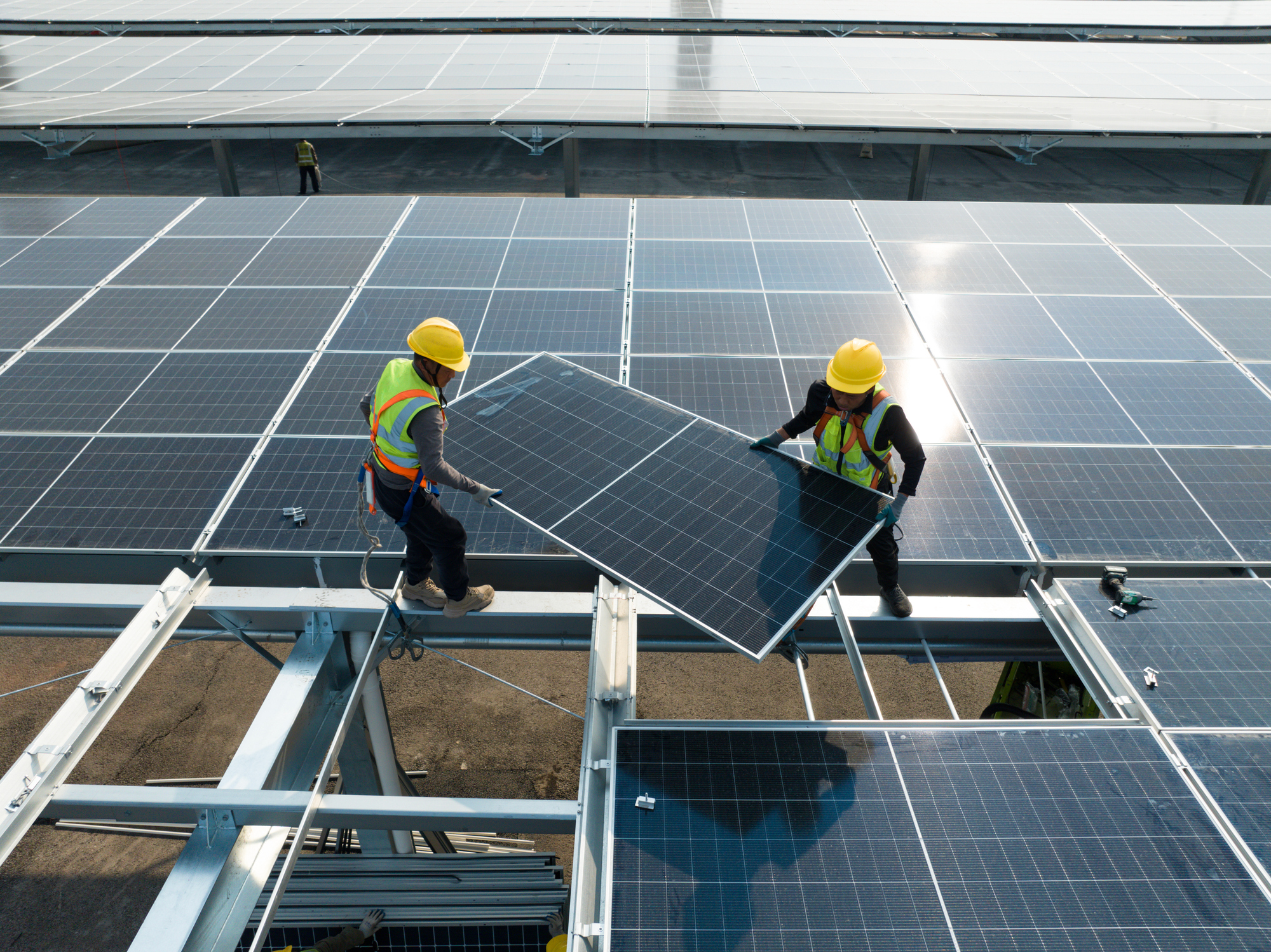
SOLARCYCLE has begun commercial recycling operations at a newly built facility in Cedartown, Georgia, marking a move to industrial-scale processing of end-of-life solar panels as the U.S. solar fleet expands and material recovery becomes a growing constraint, the company said in its official statement.
The launch comes as the United States prepares for a sharp increase in retired solar equipment later this decade. Most utility-scale solar installations were built after 2015, and while panels typically last 25 to 30 years, early repowering, storm damage, and performance upgrades are already generating significant waste streams. Analysts say recycling capacity has lagged deployment, raising concerns about landfill exposure and the loss of recoverable metals.
The Cedartown plant spans roughly 255,000 square feet and uses SOLARCYCLE’s latest-generation recycling process, which the company says more than doubles the throughput of its earlier systems. The technology is designed to divert all processed panels from landfills while recovering the majority of embedded materials, including glass, aluminum, copper, and silver. The facility is currently handling several thousand panels each week and is expected to scale to roughly one million panels per year by the end of 2026.
Company executives frame the facility as a shift from pilot-scale recycling to infrastructure built for national demand. Chief executive Suvi Sharma said the focus is now on economics and volume, arguing that cost-competitive recycling is essential if critical materials are to remain in domestic supply chains as solar installations continue to rise.
The Georgia site is part of a broader campus strategy. It sits next to the planned location of a solar glass manufacturing plant intended to use recycled material recovered on-site. SOLARCYCLE has secured customer commitments covering more than 80% of the glass facility’s planned 5-gigawatt capacity, signaling early demand for U.S.-made solar inputs at a time when imports still dominate the market. Construction of the glass plant is scheduled to begin in mid-2026, with first production targeted for 2028.
Industry observers note that the project advances a circular model that policymakers have promoted but struggled to scale. Earlier federal and state efforts to encourage solar recycling focused largely on research funding and voluntary programs, with limited commercial uptake. By contrast, integrated recycling and remanufacturing campuses are increasingly viewed as a way to stabilize supply chains and reduce exposure to volatile global metals markets.
The timing also reflects broader power-sector trends. Data published by the U.S. Energy Information Administration show utility-scale solar remains the fastest-growing source of electricity generation in the country. About 70 gigawatts of new solar capacity are scheduled to enter service in 2026 and 2027, a nearly 50% increase in operating capacity from the end of 2025. Industry groups argue that without parallel investment in end-of-life infrastructure, disposal costs and regulatory scrutiny will rise as the installed base matures.
Analysts expect growth in solar recycling demand to be uneven, shaped more by regional regulations, weather-related damage, and repowering decisions than by the natural aging of panels. In that environment, operators offering high-capacity processing with stable pricing are likely to be favored by asset owners planning long-term end-of-life strategies.
Source: SOLARCYCLE
SUNSHINE Spotlight: SOLARCYCLE’s Georgia facility signals a shift toward industrial-scale solar recycling as rapid U.S. solar growth begins to translate into material recovery needs.


