


remedi Extends Medical Waste Sterilization to Support Recycling and Landfill Diversion


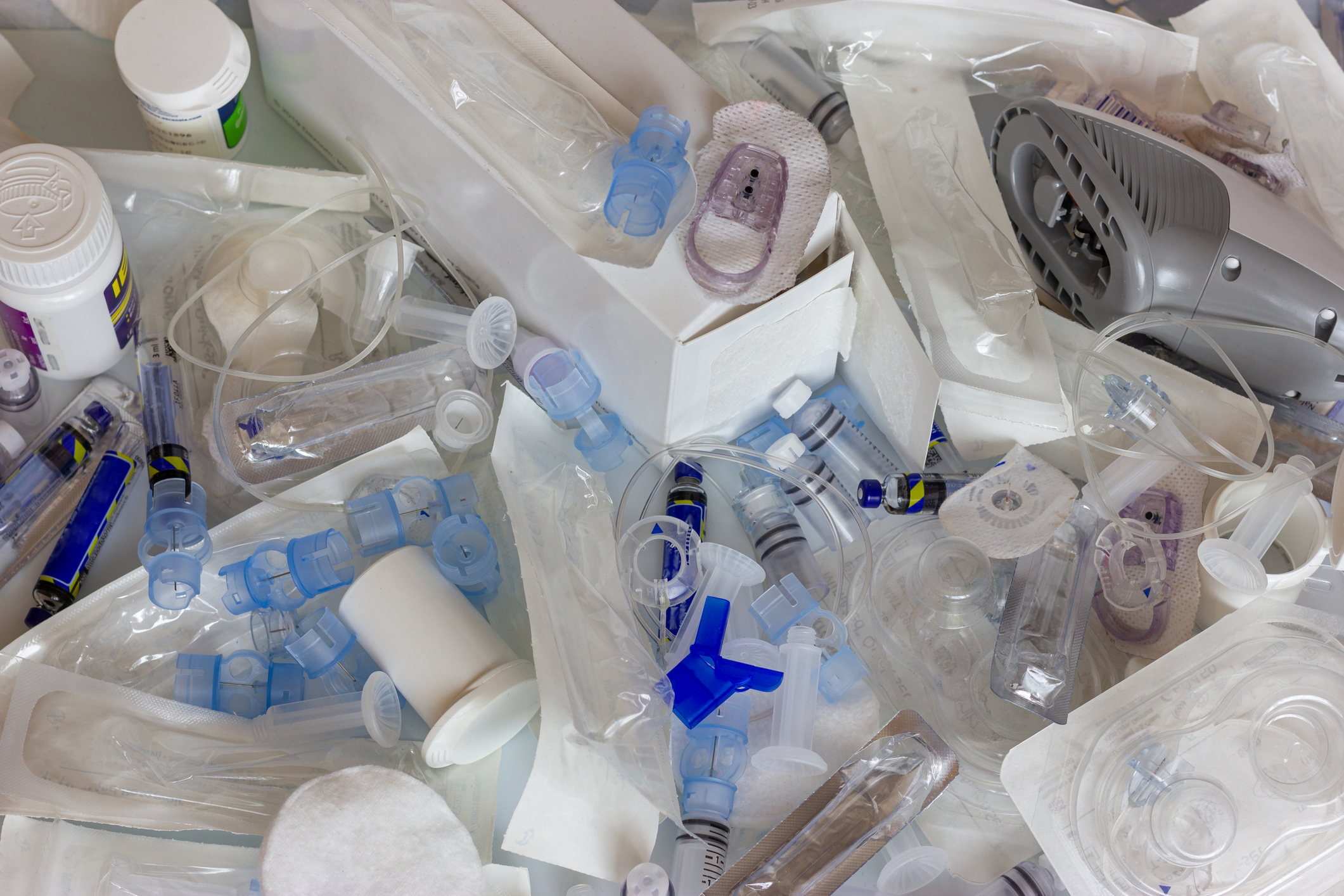
remedi is expanding its sterilization-based medical waste processing model to enable recycling and landfill diversion, as U.S. hospital systems increasingly seek waste partners that can meet regulatory requirements while supporting sustainability targets, the company said in recent disclosures.
Healthcare waste management in the United States has historically focused on sterilization and safe disposal to meet strict federal and state regulations. Regulated medical waste volumes have grown steadily over the past decade, driven by population growth, higher procedure rates, and expanded use of single-use medical supplies, data published by the U.S. Environmental Protection Agency show. At the same time, hospitals are under mounting pressure from regulators, investors, and patients to reduce landfill dependence and improve environmental performance.
Industry observers note that many hospital networks have begun establishing formal sustainability strategies, appointing environmental leadership teams, and setting quantifiable waste diversion goals. These efforts have exposed a gap between compliance-driven waste treatment and post-treatment material recovery, particularly for plastics and other recoverable materials that are typically landfilled after sterilization.
remedi’s approach retains sterilization as the core treatment step while extending processing to recover eligible materials for recycling once they are rendered non-infectious. Analysts say this model reflects a broader shift in the healthcare waste sector toward integrating circular economy principles without altering frontline clinical practices or safety protocols.
Company executives argue that hospitals are no longer satisfied with knowing waste is treated safely; they want visibility into what happens afterward. Monica Kugler, remedi’s vice president of operations, said healthcare systems are asking how sterilized waste can be diverted from landfills without adding operational risk or compliance complexity.
Unlike waste firms that rely on third-party haulers or downstream processors, remedi operates an integrated system that covers collection, transportation, treatment, and final disposition using its own assets. Industry groups say vertically integrated models can improve traceability and reporting, which are becoming increasingly important as hospital systems publish environmental metrics and sustainability disclosures.
Market participants expect demand for combined compliance-and-sustainability solutions to grow as hospitals align waste management with broader environmental, social, and governance frameworks. Observers also note that regulatory scrutiny around waste tracking and disposal transparency is likely to intensify, reinforcing interest in providers that can document diversion outcomes across multi-site healthcare networks.
Source: remedi
SUNSHINE Spotlight: remedi’s expanded sterilization model reflects a growing push by U.S. hospitals to pair regulatory compliance with measurable landfill reduction and recycling outcomes.


