


Polysmart Commits $60 Million to Build Nigeria’s Largest Plastic Recycling Complex


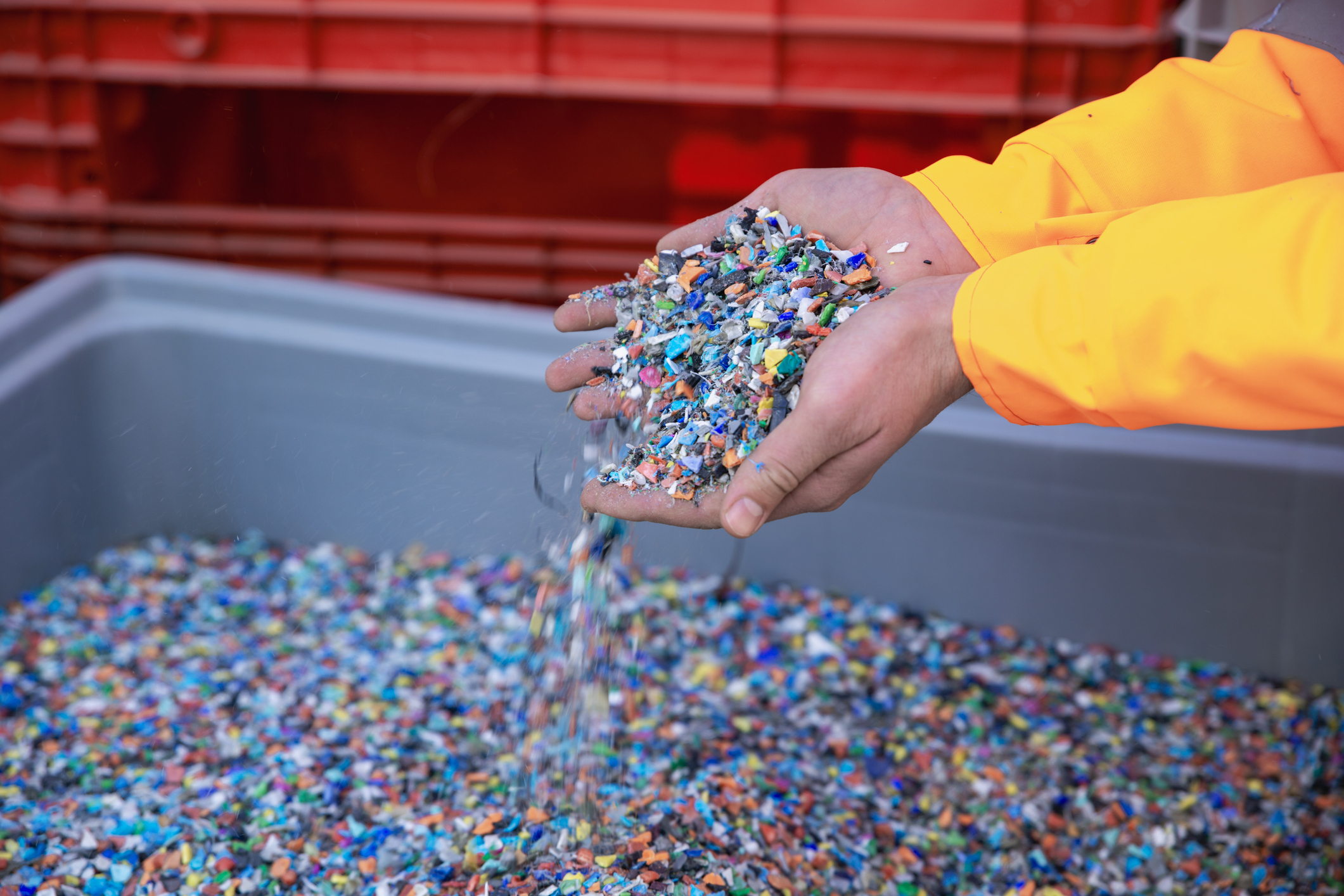
Polysmart Packaging Limited plans to invest $60 million to construct Nigeria’s largest plastic recycling facility, a move aimed at scaling domestic recycling capacity and reducing the country’s reliance on imported virgin plastics, according to company disclosures and industry reporting.
The project comes as Nigeria faces mounting pressure from plastic waste, with limited formal recycling infrastructure struggling to keep pace with population growth and rising consumer packaging use. Government data and industry estimates suggest that only a small share of the country’s plastic waste is currently recycled, leaving most material landfilled or leaked into waterways.
Polysmart, which has focused on food-grade recycled polyethylene terephthalate (rPET), said the new plant will be developed in phases, with initial operations targeted for March 2026 and full completion expected by mid-2026. Observers note that previous recycling investments in the country have largely been small to mid-scale, making this project a step change in industrial capacity.
The facility is designed to handle up to 100,000 tonnes of mixed plastic feedstock annually. It will deploy advanced sorting and reprocessing systems supplied by European equipment manufacturers, enabling the production of food-grade rPET that meets standards set by the European Food Safety Authority and the U.S. Food and Drug Administration, alongside non-food-grade HDPE, LDPE and polypropylene recyclates.
Company executives said the plant could recover the equivalent of more than 5.5 billion PET bottles each year, significantly reducing plastic leakage into landfills and marine environments. Analysts say the scale of recovery could help stabilize the local supply of recycled resins, which has been volatile due to inconsistent collection rates and import dependence.
Beyond materials output, Polysmart projects substantial employment effects across waste collection, sorting, engineering and plant operations. Industry groups argue that large, anchor facilities are critical for formalizing Nigeria’s largely informal waste sector and improving traceability and quality control across the recycling value chain.
The company estimates the project could deliver carbon savings of up to 170,000 tonnes, reflecting avoided virgin plastic production and improved energy efficiency. The investment also aligns with Nigeria’s broader environmental, social and governance objectives, as policymakers push manufacturers to adopt circular economy models.
Polysmart said it is coordinating with federal and state regulators to ensure environmental compliance and certification, a process observers describe as increasingly important as multinational food and beverage companies seek locally sourced, compliant recycled materials.
Once operational, analysts say the plant could position Nigeria as a regional supplier of recycled plastics, supporting West Africa’s packaging and fast-moving consumer goods industries while easing foreign exchange pressures linked to raw material imports.
Source: Sustainable Packaging Middle East & Africa
SUNSHINE Spotlight: Polysmart’s $60 million recycling investment signals a decisive shift toward large-scale, compliant plastic recovery in Nigeria’s emerging circular economy.


