


BMW and Encory Activate Battery ‘Direct Recycling’ Hub in Bavaria


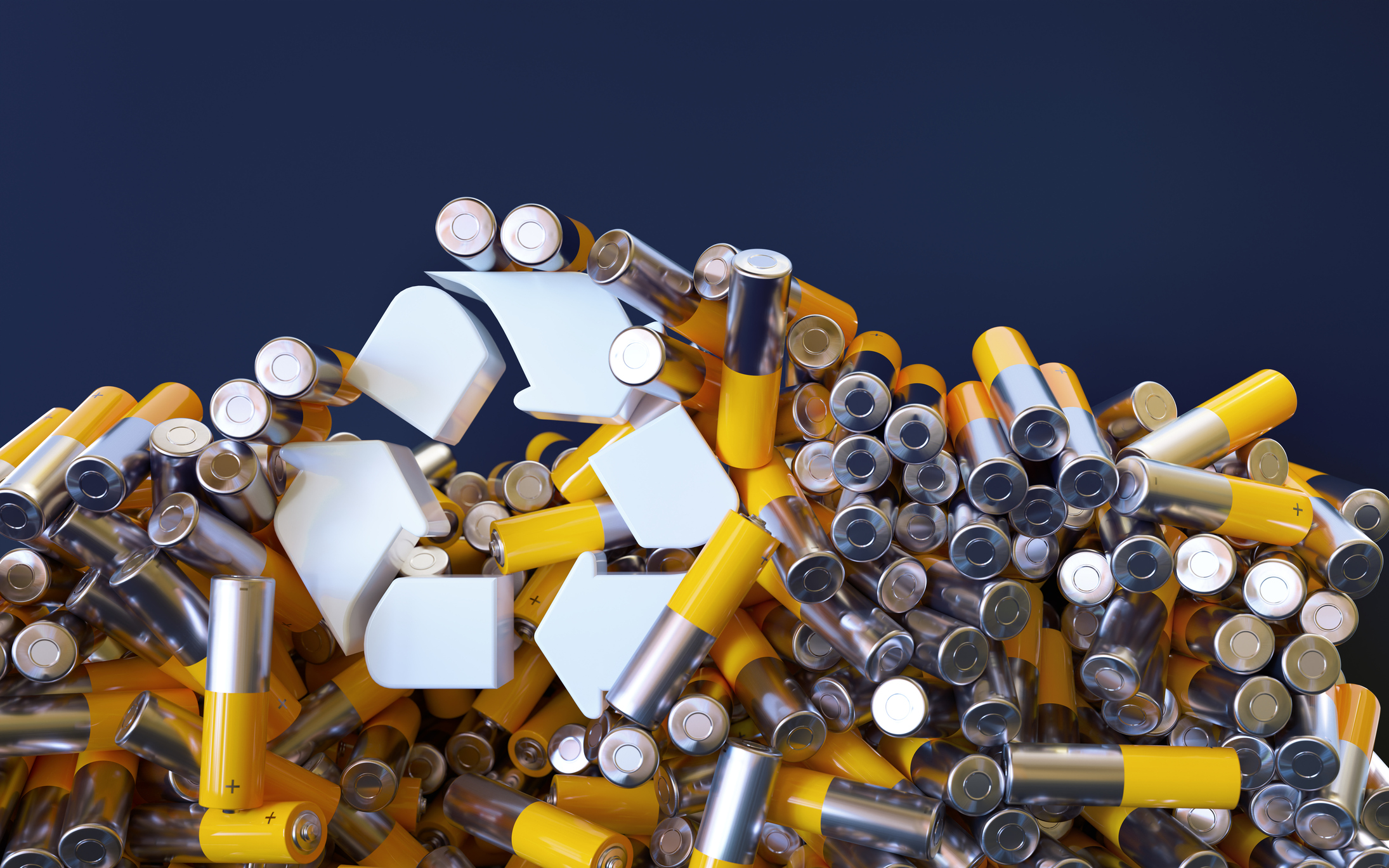
BMW Group has begun operations at a new battery cell recycling facility in southern Germany, advancing its push to close material loops in electric vehicle production as automakers face rising costs and tighter scrutiny over critical raw materials, according to BMW Group reporting.
Cell Recycling Competence Center (CRCC), located in Salching in Lower Bavaria, is designed to process scrap and surplus from battery cell manufacturing using what the company calls a “direct recycling” approach. Unlike conventional methods that chemically break materials back into base elements, the process mechanically separates components so they can be returned more quickly to battery production.
Battery recycling has become a strategic priority for European carmakers as demand for lithium, nickel, cobalt and graphite accelerates alongside electric vehicle sales. The European Union’s updated Batteries Regulation, adopted in recent years, sets mandatory recycling efficiencies and minimum levels of recycled content for new batteries later this decade. Analysts say these rules are pushing manufacturers to invest earlier in in-house recycling capabilities rather than relying solely on third-party processors.
BMW said the Salching facility will ramp up in stages, with expected annual recycling volumes reaching the mid double-digit metric ton range. Recovered materials will be reused in pilot battery cell production at the company’s Cell Manufacturing Competence Center in Parsdorf, east of Munich. The project is being carried out with Encory GmbH, a joint venture focused on industrial circular economy solutions.
Markus Fallböhmer, BMW’s senior vice president for battery production, said the technology positions the automaker at the leading edge of battery manufacturing efficiency, adding that faster material feedback loops could improve cell design and yields. “Our direct recycling process puts us at the forefront of the industry,” he explains. “This technology has tremendous potential to further optimise battery cell production.”
Observers note that most large automakers are still experimenting with recycling at pilot scale, particularly for production scrap rather than end-of-life vehicle batteries. Industry groups say reclaiming manufacturing waste is often the lowest-cost entry point into battery recycling, while providing valuable data for future large-scale operations once EV batteries begin returning in higher volumes.
The Salching center complements BMW’s broader battery development network, according to the company. Research and small-batch cell production take place at the Battery Cell Competence Center in Munich, while scaling for series production is tested in Parsdorf. Recycling of excess material from these stages now feeds directly back into the system, BMW said, limiting dependence on virgin raw materials.
Looking ahead, analysts say the challenge will be translating pilot-scale recycling into economically viable industrial operations as battery chemistries evolve. Success will depend on consistent material quality, regulatory clarity and whether recycled inputs can compete on cost with newly mined resources in volatile commodity markets.
Source: BMW Group
SUNSHINE Spotlight: BMW’s new recycling hub shows how automakers are quietly redesigning battery supply chains to keep valuable materials in circulation before large volumes of used EV batteries even arrive.


