


BIR Says Middle East Conflict Reshapes Recycled Plastics Market as Prices and Demand Rise


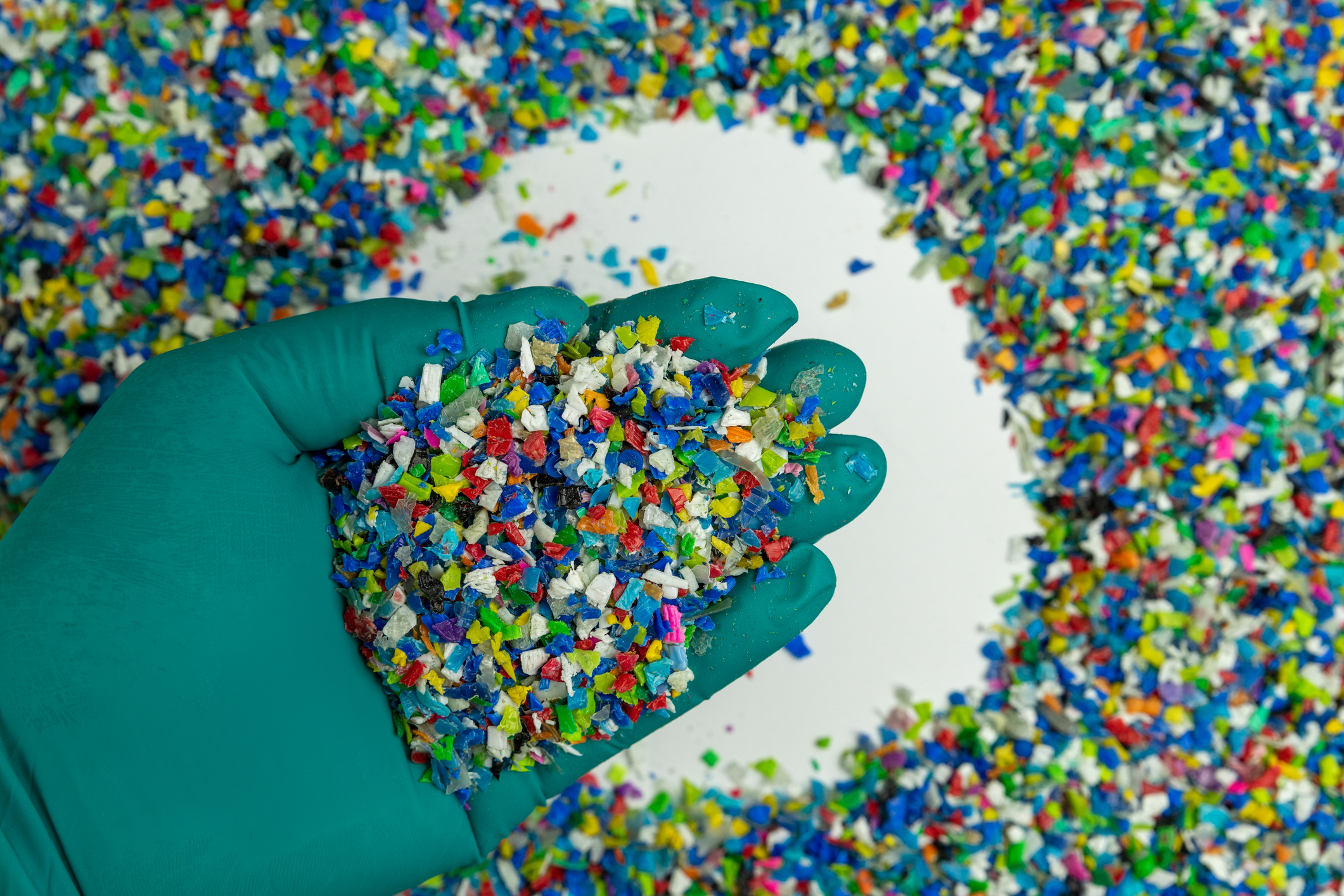
The latest quarterly plastics market report from the Bureau of International Recycling (BIR) says conflict in the Middle East has sharply altered conditions in the recycled plastics market, reversing a prolonged period of price pressure caused by low-cost virgin polymer supply.
According to BIR’s World Mirror on Plastics – Quarterly Report May 2026, demand for recycled plastics has strengthened across multiple regions as geopolitical disruption drives higher virgin resin prices and raises concerns over supply security.
After nearly two years in which competitively priced virgin polymers weakened recyclate demand and pricing, recycled material markets are now seeing price increases of roughly 20% to 30% in many segments. While recyclate price gains have generally lagged those of virgin plastics, the report notes that market sentiment has shifted significantly.
The disruption has been tied largely to petrochemical supply pressures linked to the Middle East conflict and logistics disruptions affecting the Strait of Hormuz, a key route for global energy and petrochemical flows.
BIR said converters and brand owners that had previously reduced recycled-content purchasing are returning to the market as rising virgin costs and supply uncertainty change procurement priorities.
Members of BIR’s Plastics Division warned that inconsistent support for recycled materials could undermine long-term market stability, noting that recycling capacity has already been reduced through facility closures and industry consolidation in recent years.
The report said demand is currently exceeding available supply in many cases, with some companies stockpiling raw materials and showing greater willingness to negotiate long-term purchasing agreements for recycled feedstock.
However, increasing output to meet renewed demand may prove difficult because recycling capacity contracted during the prolonged downturn in recyclate markets.
Regional market conditions vary. In the Middle East, the recycled plastics market has shifted from relatively balanced conditions at the start of 2026 to a tighter and more volatile environment. Reports cited by BIR point to virgin polyethylene and polypropylene price increases of 30% to 50% in affected markets, prompting converters and packaging producers to expand use of recycled pellets and flakes where technically feasible.
In Scandinavia, processors facing instability in primary plastics markets have increased enquiries regarding recycled material pricing and availability, using recyclates as a hedge against virgin supply volatility. Polyethylene recyclate prices have risen moderately, while polypropylene and engineering plastics have seen milder upward pressure.
Asian recycled PET markets have also recovered from recent lows, according to the report, although prices for rPET bales, flake and pellets remain broadly comparable to levels recorded a year earlier. BIR noted that a stronger Chinese RMB has improved purchasing conditions for exporters trading dollar-denominated materials.
The report also pointed to policy developments in Europe. Spain is set to introduce a mandatory deposit return system from November, while maintaining its €0.45 per kilogram levy on non-recycled plastic used by manufacturers and importers. The measures are intended to narrow the cost gap between virgin and recycled plastics during more stable market periods.
BIR said that even under a relatively quick resolution to the Middle East conflict, supply chain normalisation and pricing adjustment could take up to a year.
Source: BIR
SUNSHINE Spotlight: Rising geopolitical disruption is reshaping plastics recycling markets, with higher virgin resin costs driving renewed demand for recycled materials and greater focus on supply security.


