


Nouryon Launches Peroxide Additive Aimed at Improving Recycled Polypropylene Performance


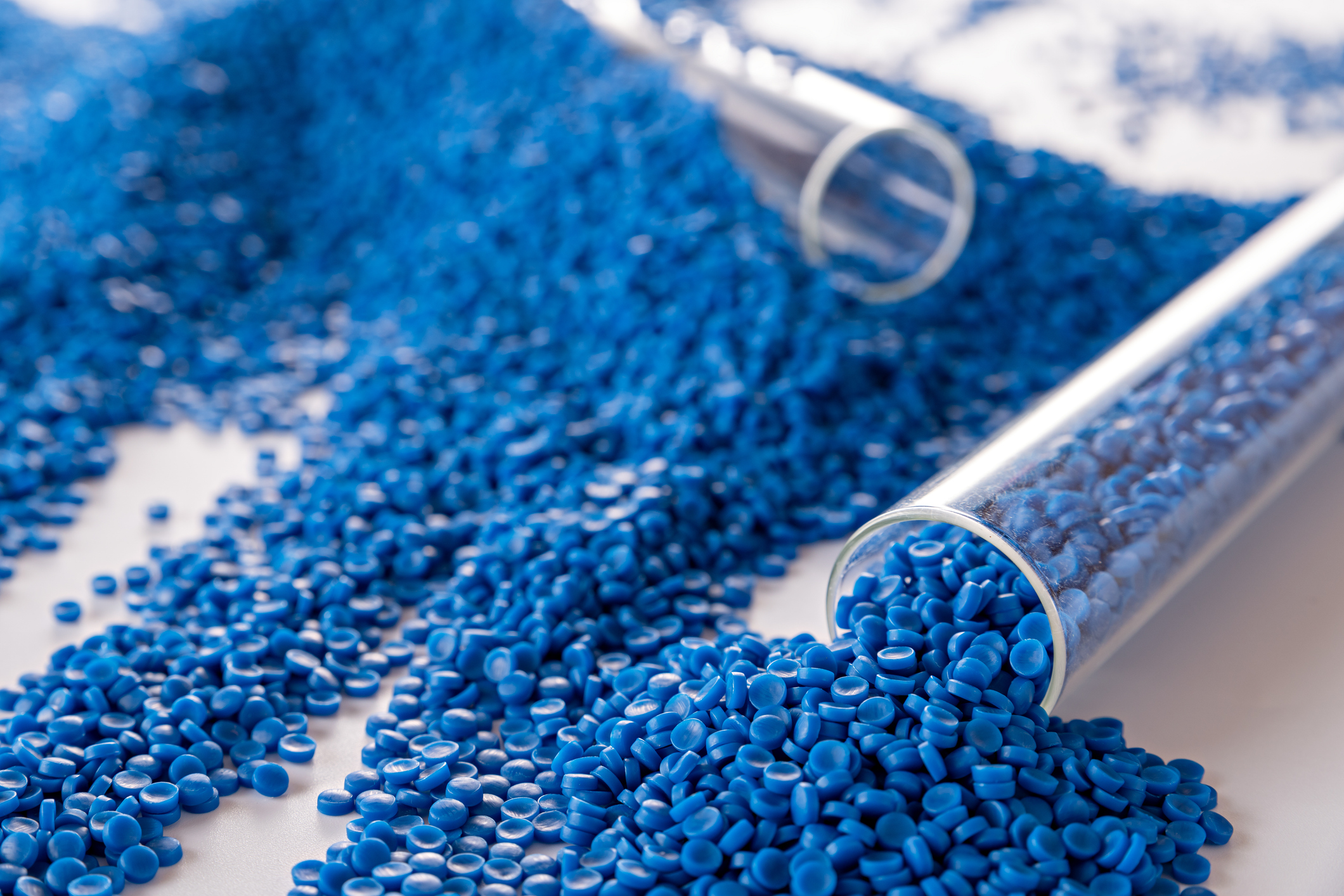
Nouryon has introduced a new organic peroxide technology designed to improve the performance of recycled polypropylene (PP), targeting applications where manufacturers have traditionally relied on virgin resin.
The Netherlands-based chemicals producer said its new product, Perkadox PM-60ST-GR, is intended to restore the molecular structure of degraded recycled polypropylene during the extrusion stage of plastic recycling.
Polypropylene is one of the world’s most widely used plastics, but recycled PP often faces limitations in higher-specification applications due to reduced mechanical performance and inconsistent processing behaviour after multiple use cycles.
Nouryon said the additive enables recyclers, compounders and processors to increase recycled content in sectors including packaging, automotive and consumer goods by improving melt strength and processing stability.
“Recycled plastic has enormous potential, but performance limitations have kept it out of many applications where it could make the biggest difference,” said Alain Rynwalt, senior vice president for Performance Materials at Nouryon. “Perkadox changes what’s possible. For the first time, recyclers and processors have a practical tool to restore the performance of recycled polypropylene and get it into packaging, automotive and consumer goods that the industry has traditionally assumed needed unprocessed plastic.”
According to the company, the peroxide additive rebuilds polymer chains during recycling, helping restore consistency and viscosity in recycled resin streams. Internal testing showed the material’s resistance to deformation in molten form increased by up to ten times, alongside higher melt viscosity levels intended to improve process control.
The product forms part of Nouryon’s Polymer Specialties business within its Performance Materials segment, which supplies additives and processing technologies for polymer manufacturing, modification and recycling.
The launch comes as plastics producers and brand owners face growing pressure to incorporate more recycled content into packaging and manufactured products while maintaining performance specifications required for industrial processing and end-use applications.
Mechanical recycling of polypropylene has historically faced challenges tied to polymer degradation, contamination and reduced material properties, particularly in applications requiring strength, consistency or precise molding characteristics.
Chemical suppliers and additive manufacturers have increasingly focused on technologies that can improve recycled resin quality, allowing recycled polymers to compete more directly with virgin plastics in technically demanding markets.
The development also reflects broader industry efforts to improve the economics of plastics recycling by expanding the range of end markets capable of using post-consumer and post-industrial recycled material.
Source: Nouryon
SUNSHINE Spotlight: Additive technologies aimed at restoring recycled polypropylene performance are becoming increasingly important as manufacturers seek higher recycled-content use in demanding plastic applications.


