


APR Calls for U.S. Trade Action over Low-Priced PET Imports


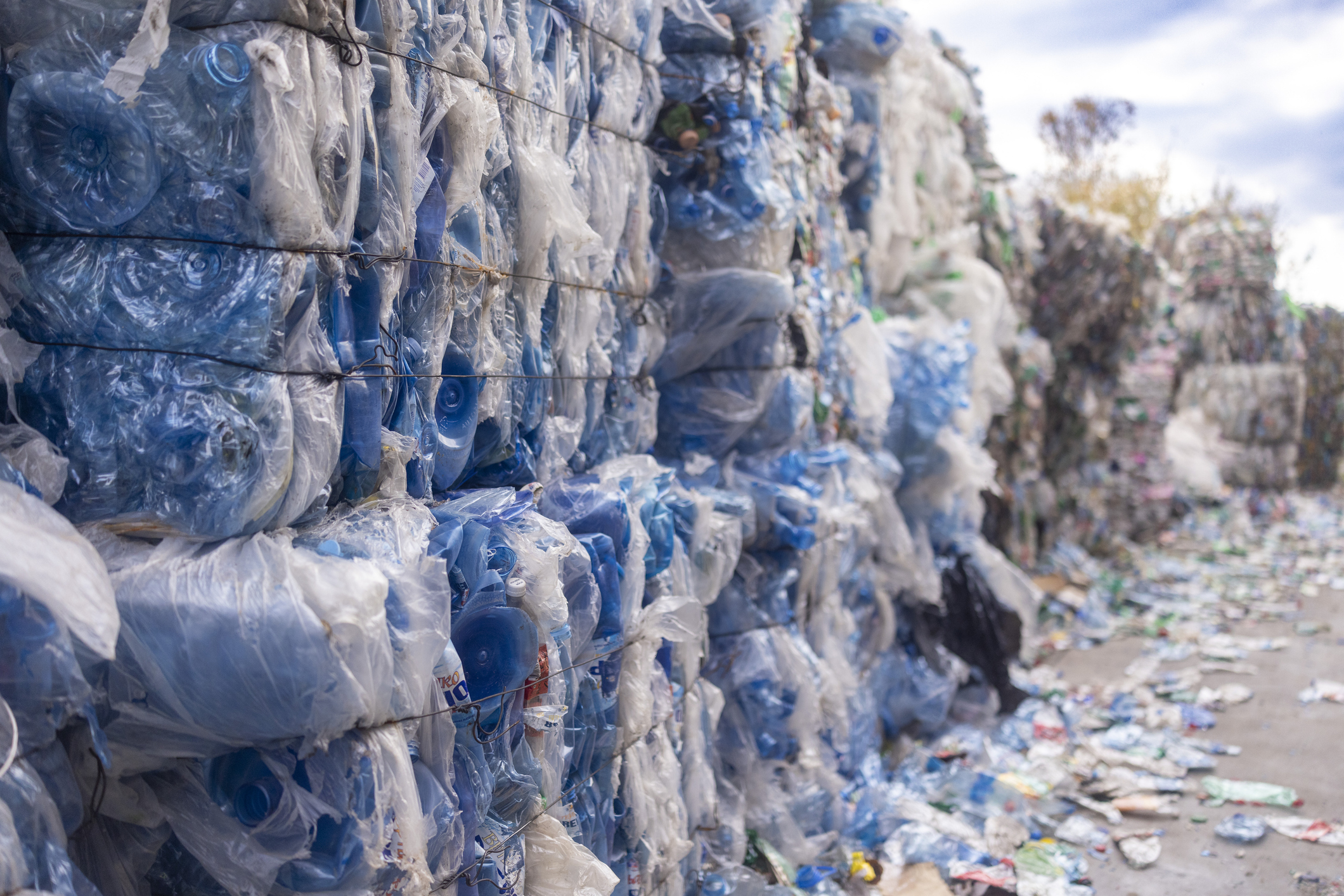
The Association of Plastic Recyclers (APR) has urged the Office of the United States Trade Representative to take action against what it describes as unfairly traded polyethylene terephthalate (PET) imports, arguing that low-priced overseas material is undermining domestic recycling capacity in the United States.
According to reports, APR President and CEO Steve Alexander delivered testimony before the U.S. Trade Representative as part of ongoing Section 301 investigations examining excess industrial capacity and the impact of foreign oversupply on U.S. industries.
The association said domestic PET recyclers are facing growing pressure from imported material originating from Indonesia, Malaysia, Thailand, South Korea, Vietnam, India and China. APR described these markets as “significant exporter countries” contributing to sustained price declines in recycled PET markets.
According to APR, seven U.S. PET recycling facilities have closed over the past 15 months, representing nearly one-quarter of the country’s PET recycling capacity and more than 600 million pounds of annual processing capability.
The group argued that depressed import pricing has made it difficult for U.S. recyclers to compete, even where facilities operate efficiently and maintain domestic feedstock supply.
“When imported PET is priced at distorted, unsustainably low levels, domestic recyclers cannot compete on a level playing field,” Alexander said in prepared testimony. “That drives sustained price depression, reduces operating rates, and forces closures.”
APR called on the U.S. Trade Representative to pursue remedies under Section 301(b) aimed at restoring what it described as fair market conditions for domestic recyclers. At the same time, the organization said imports from Mexico and Canada should remain exempt from any potential measures due to the integrated nature of the North American PET supply chain under the United States-Mexico-Canada Agreement (USMCA).
The testimony also framed plastics recycling as part of the broader U.S. manufacturing base, highlighting employment and supply chain considerations alongside environmental objectives. APR cited public estimates suggesting the plastics recycling sector supports more than 500,000 jobs and contributes roughly $110 billion in economic activity across collection, sorting, reprocessing and manufacturing operations.
The intervention comes as the U.S. recycling sector faces increasing volatility tied to global resin pricing, uneven demand for recycled plastics and competition from imported recycled and virgin polymer products. PET recyclers in particular have faced pressure from lower-priced imported material at a time when many operators have expanded capacity to meet corporate recycled-content targets.
Trade scrutiny around recycled plastics has intensified in recent years as governments seek to balance circular economy goals with domestic manufacturing interests and supply chain security concerns.
Source: Association of Plastic Recyclers
SUNSHINE Spotlight: U.S. recyclers are increasingly linking trade policy with recycling economics as low-priced imported PET reshapes domestic processing capacity and market competitiveness.


