


Claras Materials Launches to Address Feedstock Bottlenecks in Textile-to-Textile Recycling


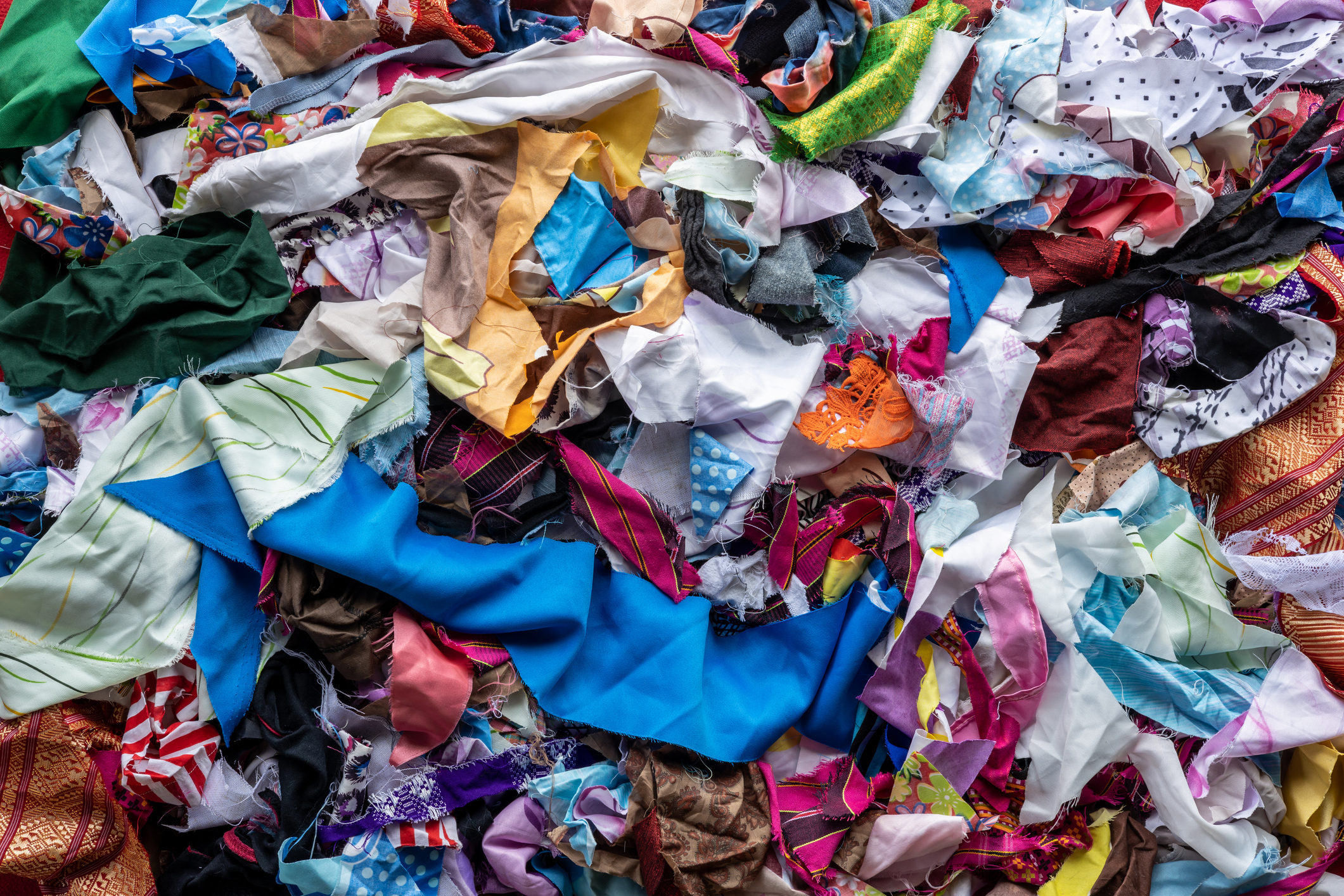
According to industry reports, Claras Materials LLC has been launched as a specialised supply chain operator focused on post-consumer textile feedstock, targeting what it describes as a structural shortage of consistent raw material supply for chemical recycling and fibre-to-fibre (T2T) applications.
The company said it aims to supply sorted, processing-ready textile inputs to recyclers, addressing a key constraint in scaling advanced textile recycling technologies. While chemical recycling capacity for textiles has expanded in recent years, the availability of high-quality post-consumer feedstock remains uneven across global markets.
Claras Materials will focus on sourcing used clothing from global collection streams and pre-processing materials before they enter recycling facilities. This includes fibre composition sorting using near-infrared (NIR) technology and separation into defined categories such as polyester, cotton, wool and blended fibres intended for mechanical reprocessing.
The company said it will also remove non-textile components such as hardware prior to baling, with the aim of improving efficiency and reducing contamination at downstream recycling plants.
Patrick Mullen, general manager of Claras Materials and a veteran of the textile recycling sector, said supply constraints remain the primary barrier to scaling fibre-to-fibre systems. “The technology to recycle post-consumer textiles at scale exists. What’s missing is a reliable supply,” he said.
Claras Materials positions itself upstream of chemical recyclers, acting as a sourcing and pre-processing layer between collection systems and industrial recycling facilities. The company said its model is designed to improve feedstock consistency for processes that require tightly controlled fibre input streams.
The development comes as textile waste volumes continue to rise globally, driven by higher consumption and short product lifecycles in fast fashion markets. At the same time, recyclers have been investing in chemical and mechanical processes capable of converting post-consumer textiles back into fibres, although scalability has been limited by material quality and sorting complexity.
Industry participants have repeatedly cited feedstock purity and contamination as critical barriers to scaling textile-to-textile recycling. In response, supply chain intermediaries such as Claras Materials are emerging to standardise input materials before they reach processing plants.
The company said its processing operations will be announced at a later stage and expects to begin initial commercial activity in 2027, as it continues discussions with recycling partners.
Source: Textile World
SUNSHINE Spotlight: Textile-to-textile recycling is increasingly shifting focus upstream, where feedstock quality and sorting infrastructure are becoming decisive factors for industrial-scale deployment.


