


AGC and Reiling Scale Windshield Recycling Process for Closed-Loop Automotive Glass Production


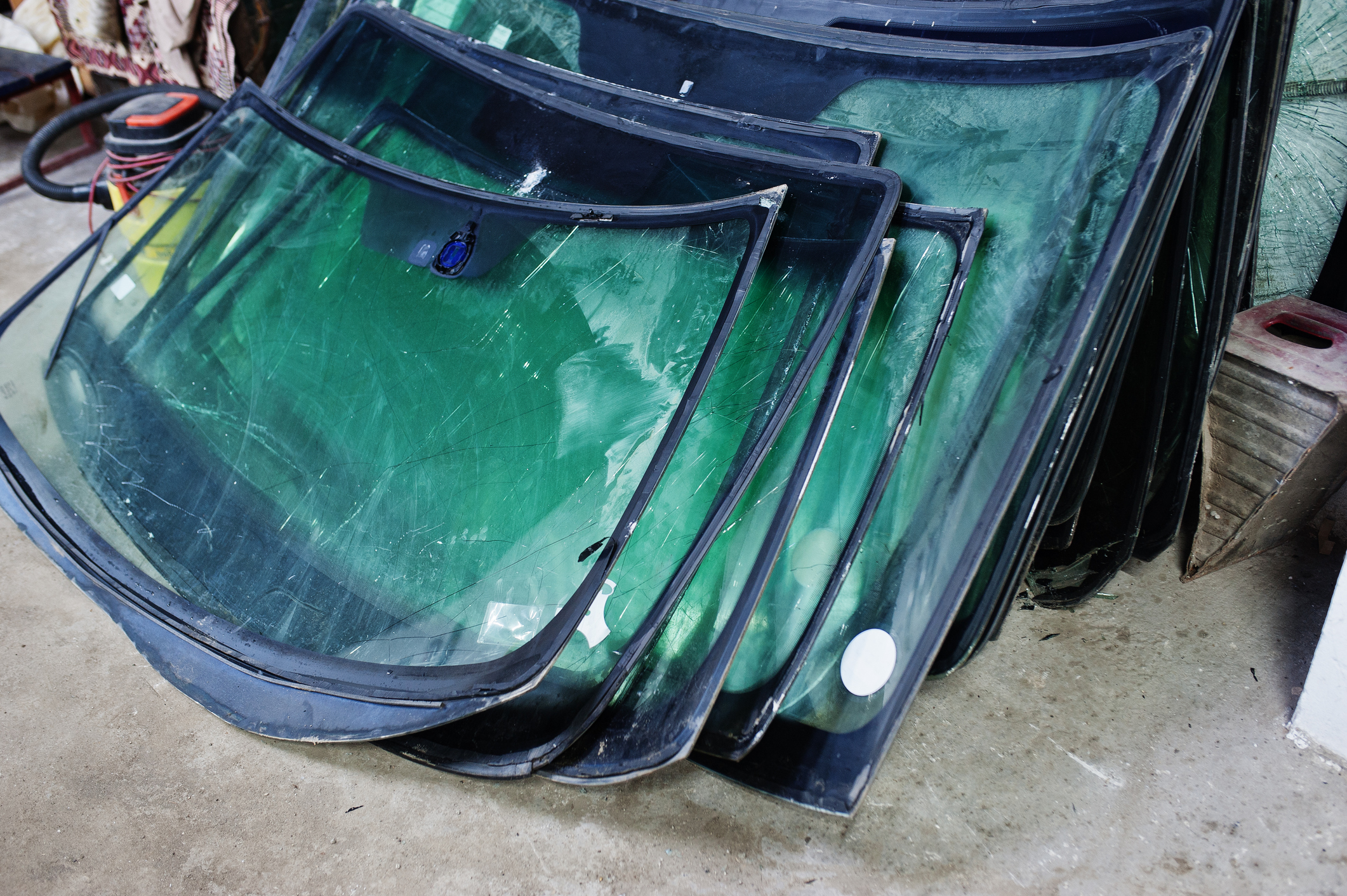
AGC Glass Europe and German recycling specialist Reiling Glas Recycling GmbH & Co. KG have expanded their automotive glass recycling programme to include assembled windshields, marking a step toward industrial-scale closed-loop recycling for automotive flat glass in Europe.
The companies said assembled pre-consumer windshields are now being recycled at Reiling facilities and reintroduced into AGC’s float glass production process for manufacturing new automotive glass. The initiative extends AGC’s existing flat glass recycling activities, which previously focused largely on architectural glass and industrial cutting waste.
AGC is one of Europe’s major automotive glass producers, supplying windshields, side windows, backlites and panoramic roof systems. The company said the latest process development addresses one of the more technically difficult areas of glass recycling due to the complex composition of laminated windshields.
Automotive windshields contain polyvinyl butyral (PVB) interlayers, coatings, metal wiring and embedded electronic components, all of which must be separated before the glass can be reused in float furnace operations. AGC and Reiling said they have validated a recycling protocol capable of producing cullet that meets automotive-grade glass specifications.
The recycled cullet is now being used at AGC’s Retenice production facility in the Czech Republic, where the company said finished glass quality and safety performance remain equivalent to products made from virgin raw materials.
“Our collaboration with Reiling has led to a significant achievement: turning assembled windshield waste back into new windshields on an industrial scale,” said Marc Foguenne, vice president sustainability at AGC Glass Europe. He added that the company is continuing to optimise the economics of the process as recycled content volumes increase.
The programme has contributed to AGC achieving an average cullet ratio exceeding 56% in automotive glass production at the Retenice furnace in 2025. According to the company, each tonne of recycled cullet used can reduce carbon dioxide emissions by up to 0.7 tonnes while replacing approximately 1.2 tonnes of virgin raw materials including sand and soda ash.
AGC said tens of thousands of tonnes of pre-consumer cullet, primarily generated from cutting losses and assembled automotive glass waste, have already been incorporated into production through coordination between its facilities in Retenice, Chuderice, Tatabanya and Koszalin.
Jiří Kurčík, production manager at AGC Teplice, said separate storage and controlled dosing systems were introduced to maintain glass quality consistency during furnace operations using recycled cullet.
Reiling managing director Marc Uphoff said the quality requirements for automotive glass recycling remain significantly higher than for many other recycled glass applications, making the successful reuse of windshield cullet in new automotive glass production a technically demanding process.
The companies now plan to extend the recycling model beyond pre-consumer waste streams to include post-consumer windshields collected from vehicle repair networks and end-of-life vehicles. Europe generates hundreds of thousands of tonnes of discarded windshields annually, much of which currently falls outside closed-loop recycling systems.
AGC said it aims to process more than 300,000 pre-consumer assembled windshields from 2026 onward, while Reiling will continue recovering non-glass materials such as PVB, plastics and metals through separate recycling streams.
The development comes as automotive and materials manufacturers face increasing pressure to reduce embedded emissions and improve recycled content in vehicle supply chains under European circular economy and decarbonisation targets.
Source: AGC Glass Europe
SUNSHINE Spotlight: Automotive glass recyclers are moving beyond basic cullet recovery toward closed-loop windshield-to-windshield recycling, a shift that could significantly increase recycled content in vehicle glass production.


