


BIR Calls for Stronger Recognition of Recycling in Steel Decarbonization Standards


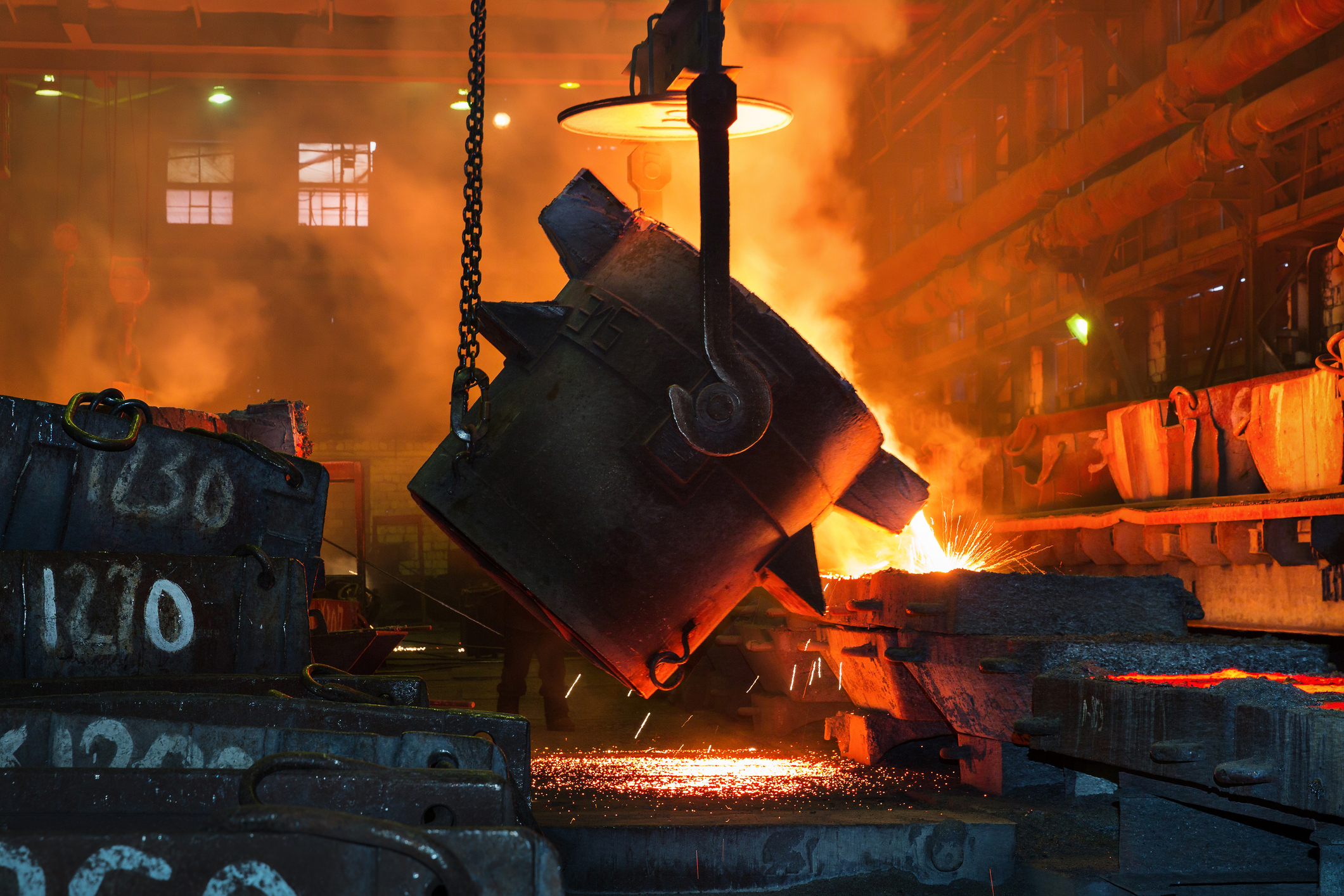
The Brussels-based Bureau of International Recycling (BIR) has urged policymakers to place greater emphasis on recycled content in steel production, warning that certain emerging “green steel” standards risk undermining the environmental benefits of recycling.
In a recent statement, BIR raised concerns about competing methodologies used to measure carbon emissions in the steel sector, particularly those that apply a “sliding scale” approach. According to the organization, such frameworks may allow higher-emission production routes to qualify as low-carbon steel, while failing to adequately reward producers that rely more heavily on recycled materials through electric arc furnace (EAF) processes.
The debate comes as industry stakeholders and standard-setting bodies seek alignment on how to define and certify low-carbon steel. Steel production is estimated to account for around 8% of global energy-related emissions and roughly 30% of industrial emissions, making it a focal point for decarbonization efforts. However, the absence of a universally accepted definition of “green steel” has led to the emergence of multiple certification approaches.
BIR argues that at least one existing methodology creates a “dual standard” by adjusting emissions thresholds based on scrap usage, potentially enabling more carbon-intensive operations to meet sustainability criteria. The group maintains that this approach weakens the direct relationship between actual emissions and environmental claims, and could distort incentives within the market.
Although not explicitly named in the statement, the discussion reflects broader industry debate involving frameworks such as the ResponsibleSteel standard, which incorporates a sliding scale mechanism, and the Global Steel Climate Council standard, which takes a different approach by applying a single emissions benchmark regardless of production method.
From a technology perspective, steel made using EAF processes, typically powered by electricity and using high levels of scrap, generally results in lower emissions compared with traditional blast furnace routes that rely on iron ore and coal. BIR emphasized that increasing the use of recycled steel is a critical lever for reducing the sector’s carbon footprint and advancing circularity.
The organization also warned that adopting standards perceived as inconsistent or insufficiently rigorous could undermine trust in green steel classifications and weaken policy effectiveness. It called for the development of a unified, process-agnostic framework that ensures transparency, comparability, and scientific integrity in emissions accounting.
More broadly, the statement highlights the growing importance of aligning policy, certification systems, and market incentives as governments and industry accelerate efforts to decarbonize heavy industry. Ensuring that recycling is accurately reflected in these frameworks is likely to remain a key point of contention.
Source: BIR
SUNSHINE Spotlight: BIR’s call underscores the critical role of recycled content in steel decarbonization and the need for consistent, science-based standards to guide the emerging green steel market.


