


BIR Warns EU Against Aluminium Scrap Export Curbs in Formal Consultation Response


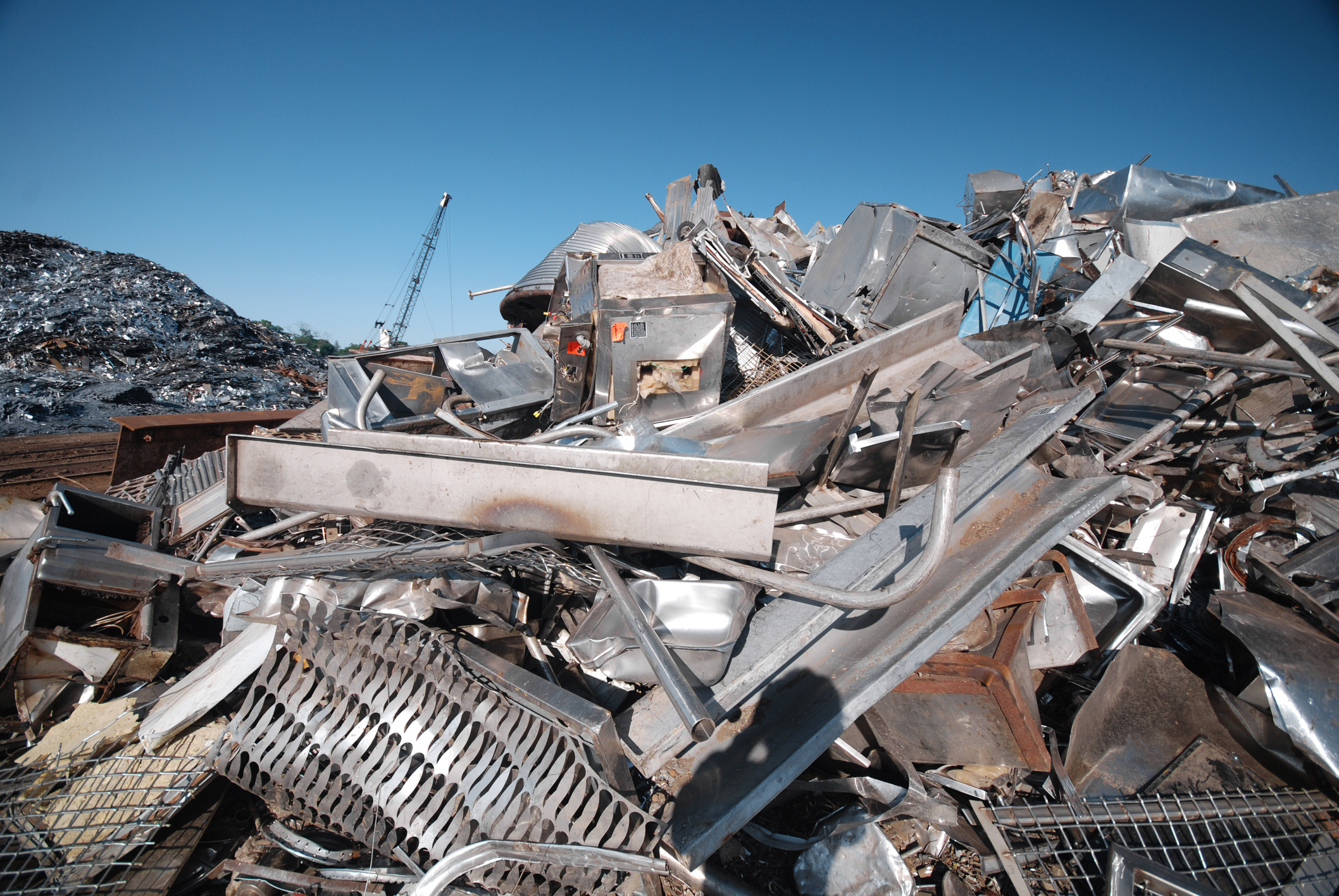
The Bureau of International Recycling (BIR) has urged the European Commission not to impose trade measures on aluminium scrap, arguing that proposed restrictions are unnecessary and could undermine recycling economics across Europe, BIR said in a formal submission responding to the Commission’s ongoing consultation, following earlier reporting in January.
In its response, BIR aligned itself with the position put forward by Recycling Europe and other European recycling groups, reiterating support for the EU’s circular economy and decarbonisation objectives while cautioning that intervention in scrap trade risks destabilising a market that is already functioning efficiently. Observers note that aluminium scrap has become a focal point in Brussels as policymakers weigh how to secure critical raw materials for the domestic industry.
BIR pointed to the Commission’s own monitoring data, which it says does not show evidence of structural “scrap leakage” from the EU. Instead, export volumes reflect a structural mismatch between the amount of aluminium scrap generated in Europe and the capacity of domestic smelters to process it under current technical and economic conditions. Analysts say this imbalance has persisted for years, driven by energy costs, plant configuration and limited downstream demand for recycled aluminium in certain segments.
According to BIR, restricting exports would not result in greater domestic availability of scrap but would distort pricing and compress margins for recyclers. Lower prices, the group warned, could make recycling operations uneconomic, weakening collection systems and discouraging investment precisely at a time when higher recycling rates are needed to meet EU policy targets.
The organisation also cautioned that if aluminium scrap loses its market value, it risks becoming a liability rather than an asset. Industry groups argue that this could lead to poorer waste management outcomes, including stockpiling or abandonment, increasing environmental and regulatory risks rather than reducing them.
As an alternative, BIR called for what it described as evidence-based policymaking focused on structural improvements, including more affordable energy, regulatory harmonisation across member states and stronger incentives for manufacturers to increase recycled content in finished products. Such measures, the group said, would strengthen demand without disrupting existing trade flows.
Should the Commission move ahead with market interventions despite these concerns, BIR said any measures should be temporary, tightly scoped and governed by clear emergency safeguards. The organisation stressed that employment, capital investment and long-term recycling capacity must be protected to avoid lasting damage to the aluminium value chain.
Source: BIR
SUNSHINE Spotlight: BIR argues that limiting aluminium scrap exports would weaken, not strengthen, Europe’s recycling system by distorting prices and discouraging investment in collection and processing.


