


Trump Expands Section 232 Tariffs on Steel, Aluminum and Copper to Reinforce U.S. Industrial Base


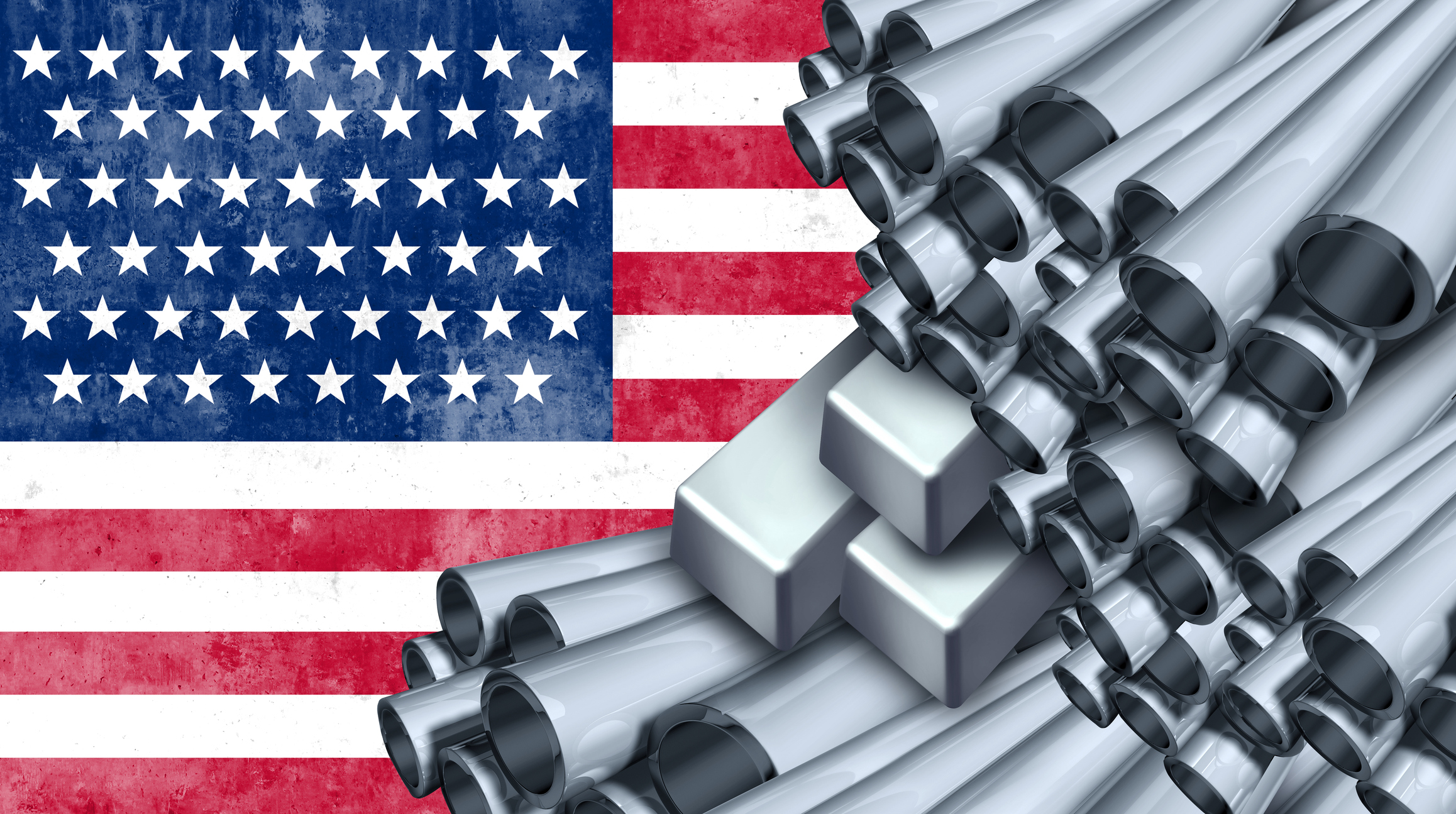
According to a fact sheet released by the White House, U.S. President Donald J. Trump has signed a new proclamation strengthening tariffs on imported steel, aluminum, and copper, expanding the scope and calculation of duties under the Section 232 tariffs framework. The move is aimed at reinforcing domestic production of strategic metals and addressing what the administration describes as national security risks linked to import dependence.
Under the updated rules, tariffs will be applied based on the full value of imported metal products rather than lower declared prices. According to the administration, products made entirely or predominantly of steel, aluminum, or copper will face a 50% tariff, while derivative products containing substantial amounts of these metals will be subject to a 25% rate. Certain industrial and grid-related equipment will be temporarily taxed at 15% through 2027, while products manufactured abroad using entirely U.S.-origin metals will face a reduced 10% tariff. Items containing minimal metal content, defined as 15% or less, will be exempt from these measures.
The policy builds on earlier actions that expanded Section 232 tariffs to include copper and raised tariff rates on steel and aluminum imports. The administration argues that these measures are necessary to sustain domestic capacity in key industries, including steelmaking, aluminum smelting, and copper production, which are considered essential for infrastructure, defense, and energy systems.
The United States has recently increased its steel output, becoming the world’s third-largest producer in 2025, according to government statements. Several new projects are underway, with more than 4 million tons of additional crude steel capacity expected to come online in the next two years across states including West Virginia, Arkansas, and South Carolina. Parallel investments are also being announced in aluminum and copper, including new smelting and mining projects backed by both domestic and international companies.
From an industry perspective, the tariff adjustments are designed to incentivize domestic investment by providing greater pricing support for U.S.-based producers. By limiting lower-cost imports, the policy aims to create more stable conditions for capital-intensive projects, particularly in upstream and midstream segments of the metals value chain.
At the same time, the measures could have broader implications for downstream manufacturers, including those in automotive, construction, and energy infrastructure, where metals are key inputs. Higher input costs may influence pricing and supply chain decisions, particularly for companies reliant on imported materials or globally integrated production networks.
The announcement comes amid continued geopolitical competition over access to critical materials, with governments increasingly prioritizing supply chain resilience and domestic production capabilities. Trade policy, including tariffs, remains a central tool in shaping these outcomes.
Source: The White House
SUNSHINE Spotlight: The expanded Section 232 tariffs signal a continued U.S. push to localize strategic metals production, reinforcing domestic capacity while reshaping global trade dynamics in steel, aluminum, and copper.


