


Toyoda Gosei Raises Recycled Rubber Use in Auto Seals


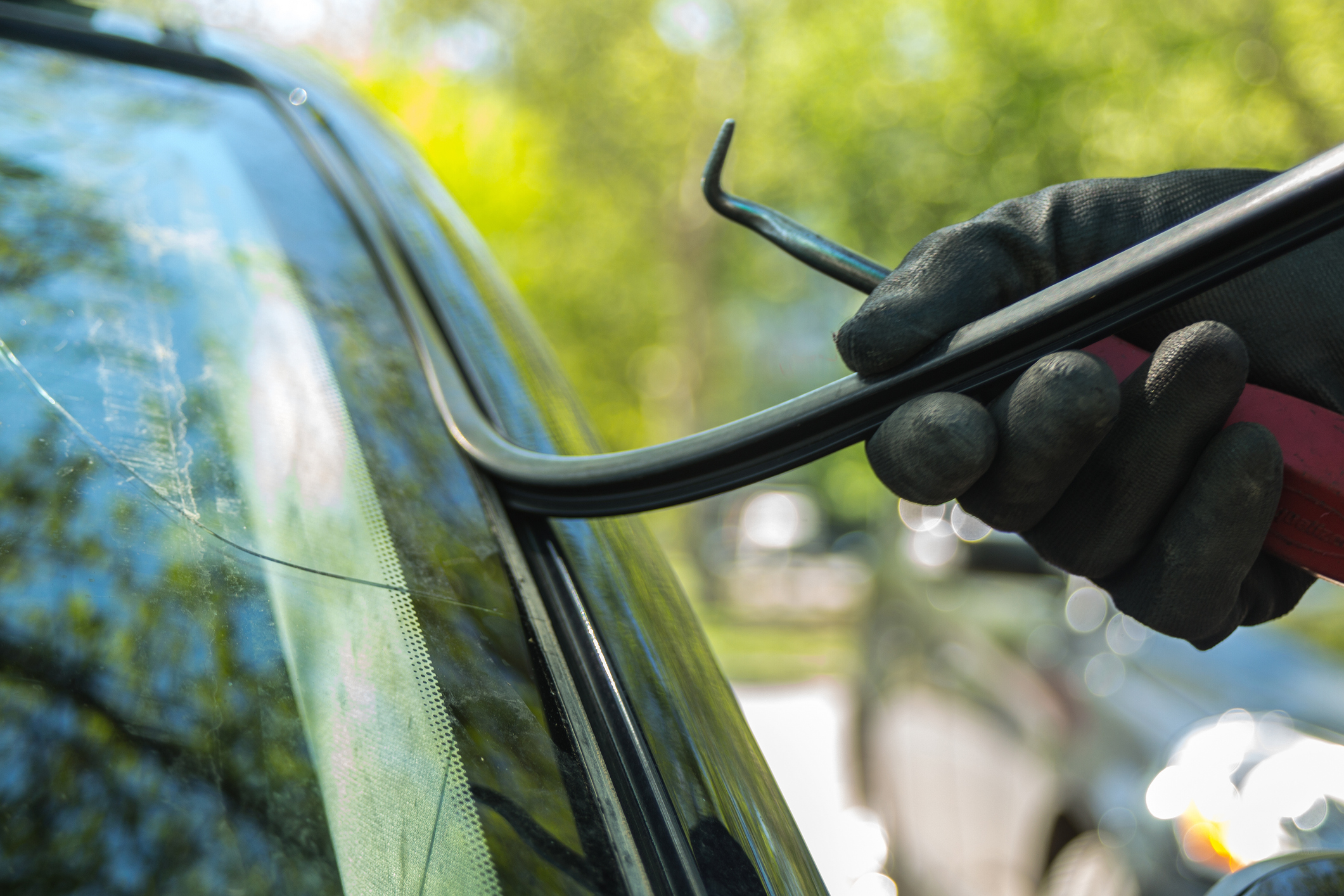
Toyoda Gosei has begun supplying automotive weatherstrips made with a significantly higher share of recycled rubber, starting with parts used in Toyota Motor’s new RAV4, a move the Japanese supplier says addresses one of the auto industry’s most difficult materials to decarbonize, according to company reporting.
Rubber recycling has lagged far behind metals and plastics because of technical and quality barriers. Data from industry groups show that most end-of-life rubber from vehicles is still incinerated for energy recovery, releasing carbon dioxide while destroying material value. Unlike thermoplastics, rubber is vulcanized, meaning its elasticity comes from sulfur cross-links that are difficult to reverse without degrading performance.
Toyoda Gosei said it has spent years refining devulcanization techniques that use controlled heat and pressure to partially break these sulfur bonds. Earlier recycling attempts often produced regenerated rubber with lower strength and persistent odors, limiting its use to marginal applications. Observers note that these quality issues have been a central reason automakers have avoided recycled rubber in safety- or durability-critical parts.
The company now says it can incorporate recycled rubber at levels of about 20% in weatherstrips, up from less than 5% previously, while meeting automotive specifications. Internal testing and customer validation enabled the material to be approved for use on a mass-production vehicle, and the development was recognized with a Toyota Motor project award, Toyoda Gosei said.
Analysts say the step is notable because weatherstrips must retain elasticity, sealing performance and resistance to heat and aging over many years. Even modest increases in recycled content can be difficult to achieve at scale. By comparison, recycled steel and plastics in vehicles already reach far higher percentages, supported by mature recycling infrastructure and clearer material standards.
Toyoda Gosei plans to extend the technology beyond weatherstrips to other synthetic rubber components, such as hoses, and is also working on applications for natural rubber, which accounts for a much larger share of automotive rubber consumption. Industry groups argue that progress in natural rubber recycling would have an outsized impact on emissions and resource use, particularly in Asia, where supply chains are concentrated.
The supplier is also seeking partnerships with automakers and dismantlers to build a closed-loop system that recovers rubber from end-of-life vehicles and feeds it back into new parts. Previous industry efforts at such systems have struggled with collection costs, inconsistent material quality and limited end-use demand, according to analysts.
Observers say broader adoption will depend on whether recycled rubber can be produced reliably at scale without cost penalties, especially as automakers face rising pressure from regulators and investors to demonstrate measurable progress on circularity and emissions reduction.
Source: Toyoda Gosei
SUNSHINE Spotlight: Toyoda Gosei’s higher recycled-rubber auto parts signal a rare technical breakthrough in an area long considered one of the toughest gaps in vehicle circularity.


