


Malaysia Imposes Immediate Blanket Ban on E-Waste Imports


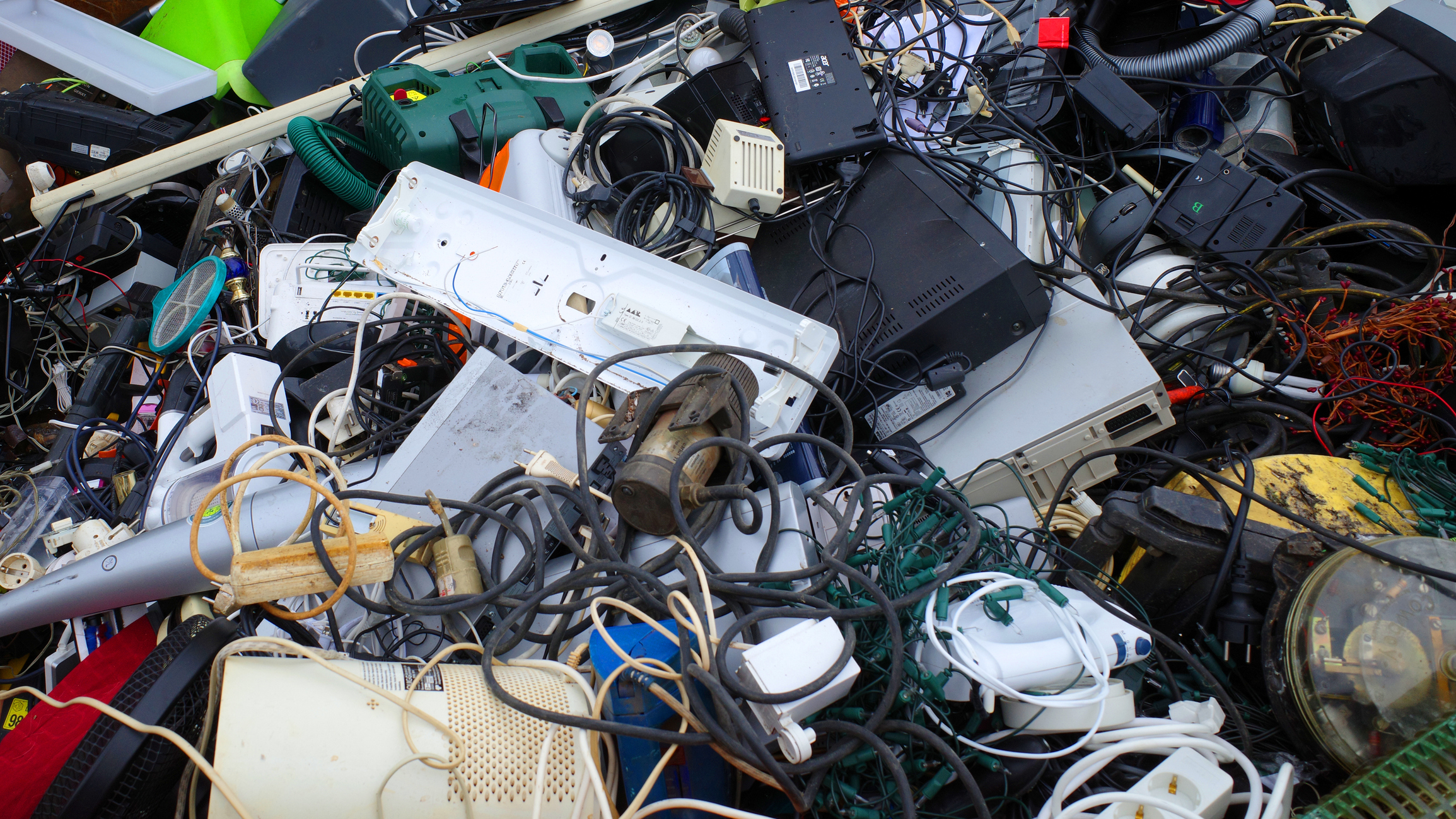
Malaysia has ordered an immediate and comprehensive ban on electronic waste imports, escalating its crackdown on illegal dumping as authorities widen a corruption investigation tied to environmental oversight, according to official statements released late Wednesday.
The Malaysian Anti-Corruption Commission said electronic waste has been reclassified under an “absolute prohibition” category, eliminating prior exemptions that allowed regulators to approve certain shipments. The move matters because it closes a regulatory gap long blamed for enabling illicit trade flows into the country, MACC reporting shows.
Malaysia has spent years grappling with inflows of used electronics, including computers, phones, and household appliances, many of which contain hazardous materials such as lead, mercury, and cadmium. Environmental groups and industry observers say improper handling has contaminated soil and waterways near informal processing sites, particularly in industrial zones and port-adjacent communities. Data published by Malaysian authorities indicate that hundreds of containers suspected of carrying illegal e-waste have been seized or flagged for repatriation in recent years.
The new rule strips the Department of Environment of discretionary powers previously used to permit select imports for recycling. MACC chief Azam Baki said enforcement agencies would take coordinated action to stop illegal shipments, warning that e-waste would no longer be tolerated under any classification. Analysts say the blanket ban is designed to simplify enforcement and reduce opportunities for regulatory abuse.
The decision follows a widening corruption probe into e-waste management. Last week, investigators detained and remanded the environment department’s director-general and deputy director-general over alleged abuse of power linked to import approvals. Authorities have also frozen bank accounts and seized cash connected to the investigation, MACC statements show. Observers note that the timing suggests the ban is intended both as an environmental safeguard and a governance reset.
The Home Ministry separately said it would intensify border inspections and anti-smuggling operations, framing e-waste trafficking as a threat not only to public health but also to national security. Industry groups argue that stronger enforcement may raise compliance costs in the short term but could restore credibility to Malaysia’s waste management framework and deter illegal operators.
Malaysia’s action aligns with a broader regional pushback. Neighboring Indonesia has stepped up inspections at its ports, seizing dozens of containers of hazardous electronic waste over the past year and returning several shipments to exporters, including consignments traced to the United States, based on government reporting. Southeast Asia became a focal point for global e-waste flows after China shut its doors to most foreign waste in 2018, forcing exporters to seek alternative destinations with lower processing costs.
Looking ahead, analysts say the effectiveness of Malaysia’s ban will hinge on sustained enforcement and cross-border cooperation. Legal recyclers may face tighter feedstock constraints, while exporters are likely to redirect shipments toward jurisdictions with clearer compliance pathways. For policymakers, the challenge will be balancing environmental protection with the development of a transparent, domestic recycling industry.
Source: The Associated Press
SUNSHINE Spotlight: Malaysia’s sweeping e-waste import ban closes regulatory loopholes as the country seeks to halt illegal dumping and restore trust in environmental governance.


