


China to Cut Import Tariffs on Recycled Battery Materials From 2026


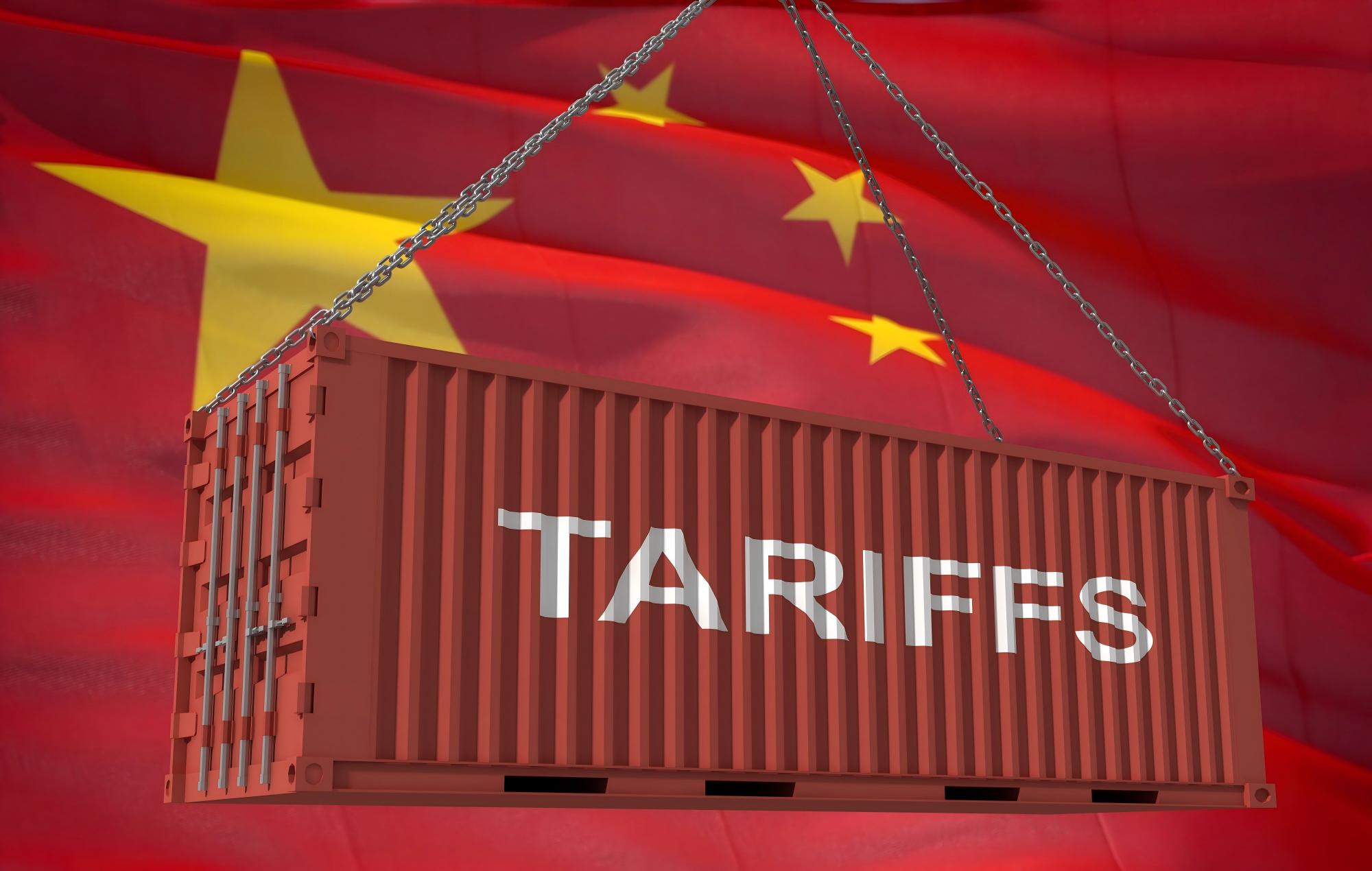
China will lower import tariffs on a range of products, including recycled black mass used in lithium-ion battery production, from January 1, 2026, as part of a broader effort to secure critical materials and support industrial upgrading, according to policy guidance released by the Customs Tariff Commission of the State Council.
The move matters for global recycling and battery supply chains because black mass, processed material derived from spent lithium-ion batteries, has become a key feedstock for recovering lithium, nickel and cobalt. By reducing tariff barriers, Beijing is signaling a greater willingness to tap overseas recycled resources at a time when electric vehicle demand continues to expand and domestic scrap supply remains uneven.
The tariff changes are outlined in the “2026 Tariff Adjustment Plan,” which introduces provisional import rates below most-favored-nation levels for 935 product categories. China has used similar temporary reductions in recent years to stabilize supply and prices for strategically important goods, particularly in sectors tied to advanced manufacturing, energy transition and public health. Previous plans focused heavily on raw ores and agricultural inputs, while recycled materials have only recently gained policy prominence.
Under the 2026 plan, recycled black mass for lithium-ion batteries is explicitly listed among resource-based commodities receiving lower duties, alongside materials such as unroasted pyrite. The document also covers cuts on selected advanced components and materials used in high-end manufacturing, as well as medical products including artificial blood vessels and diagnostic kits.
Analysts say the inclusion of recycled battery materials reflects Beijing’s growing recognition of recycling as a strategic complement to primary mining. China dominates global battery manufacturing and refining but relies heavily on imported lithium, cobalt and nickel concentrates. Allowing cheaper inflows of black mass could help recyclers and refiners diversify feedstock sources while reducing cost pressures. Observers note that the policy also dovetails with China’s longer-term goals on green development and circular economy expansion.
Industry groups argue the tariff cuts could encourage more cross-border flows of battery scrap and intermediate materials, particularly from regions where end-of-life electric vehicle volumes are rising faster than local recycling capacity. However, they caution that regulatory clarity on import standards, environmental compliance and material classification will remain critical to translating tariff relief into actual trade growth.
Market participants expect the tariff reductions to support incremental growth in China’s battery recycling sector rather than trigger an immediate surge in imports. Much will depend on global metal prices, shipping costs and domestic recycling incentives. Still, the policy direction suggests recycled materials are moving closer to the center of China’s industrial and resource security planning.
Source: Ministry of Finance of the People’s Republic of China
SUNSHINE Spotlight: By cutting import tariffs on recycled battery black mass from 2026, China is positioning recycling as a strategic pillar in securing critical minerals for its energy transition.


