


Re-START Alliance Rolls Out Cluster-Based Textile Recycling Drive in India


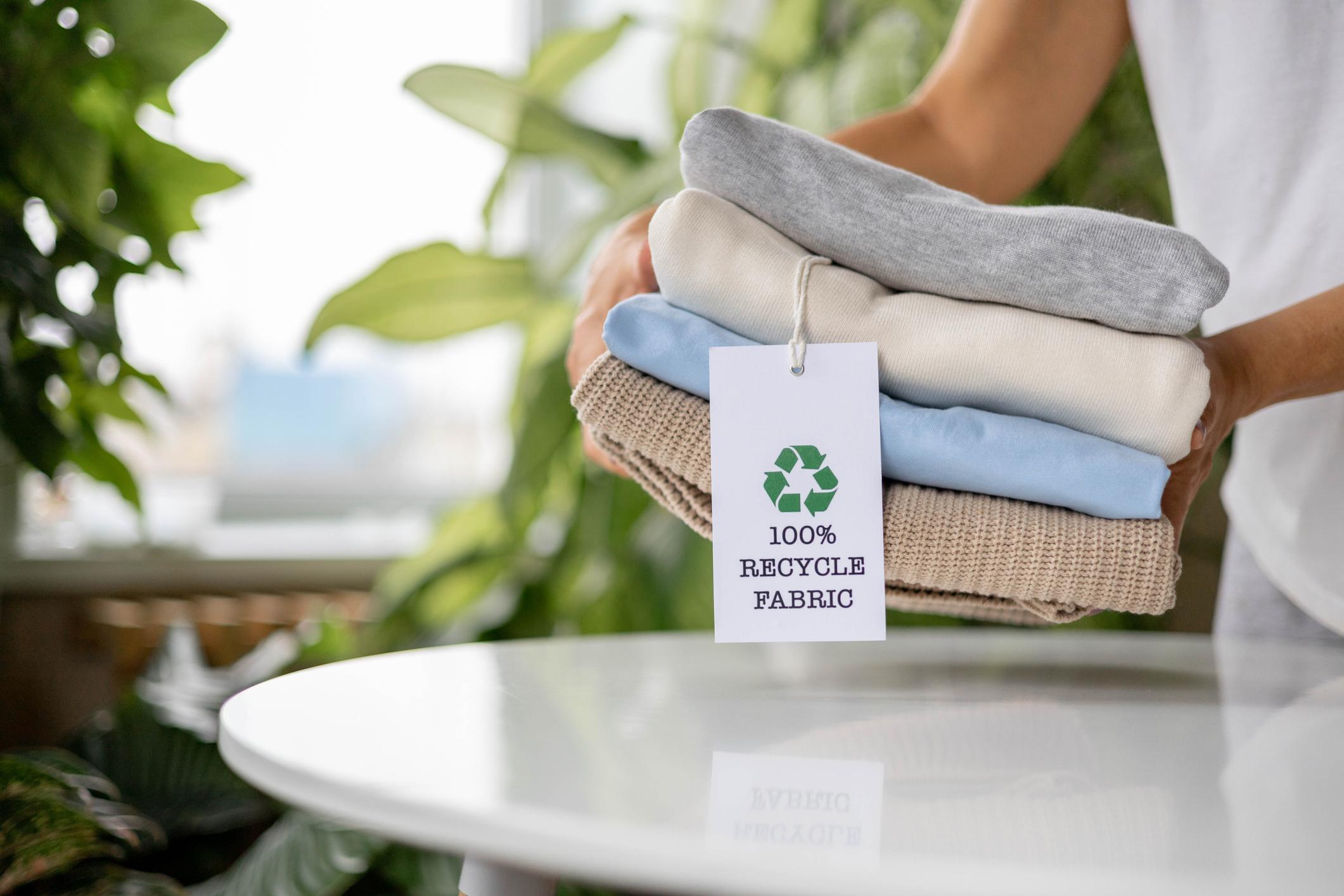
The Re-START Alliance has launched its first flagship initiative in India, a four-year programme designed to scale textile-to-textile recycling by building shared infrastructure and formalising supply chains, a move supporters say could unlock significant economic and environmental value in one of the world’s largest textile markets, according to Re-START Alliance reporting.
India has emerged as a critical focus for global efforts to expand circular textiles. The country generates an estimated 7.8 million tonnes of textile waste each year, data published by industry and government bodies show, placing it among the world’s largest contributors.
Despite a strong manufacturing base and a large informal recycling sector, observers note that fragmented operations, limited advanced sorting capacity and inconsistent policy alignment have constrained the ability to recycle textiles back into new fibres at scale.
The new programme, known as Cluster Collective, will be led by sustainability organisation IDH and will initially concentrate on the Ludhiana and Indore textile hubs, with plans to add two further clusters later. The initiative aims to scale advanced sorting and recycling technologies, improve waste collection and aggregation systems, and bring informal labour into more formal, regulated structures. Analysts say the cluster-based approach, already used in sectors such as agriculture and manufacturing, is intended to reduce duplication of investment while improving efficiency and traceability across supply chains.
A central element of the programme is a blended finance technical assistance fund managed by Navaka Social Business Fund, which plans to deploy around €13 million in grants, concessional loans and long-term capital. The funding is earmarked for recycling and sorting infrastructure, traceability tools and support for local entrepreneurs. Industry groups argue that access to patient capital remains one of the biggest barriers to scaling textile recycling technologies in India, particularly for early-stage operators.
The initiative also seeks to stimulate market demand by securing early commitments from brands and recyclers, including non-binding letters of interest and the development of recycled material specifications and offtake arrangements. Observers note that such demand-side signals are becoming increasingly important as new regulations in Europe and other markets tighten requirements around recycled content and supply chain transparency.
Jagjeet Singh Kandal, country director at IDH, said the programme is designed to address coordination gaps that have long limited the sector’s growth. He added that organising recycling activity around existing industrial hubs could help aggregators, recyclers and manufacturers share infrastructure, attract investment and improve access to verified recycled inputs, while aligning operations with climate targets and social inclusion goals.
Re-START, convened by the Laudes Foundation with founding partners Canopy, Fashion for Good and IDH, has previously focused on connecting stakeholders across India’s textile recycling landscape. Cluster Collective marks its first large-scale implementation project and is expected to contribute to the alliance’s target of bringing an additional 1 million tonnes of recycled fibres into textile supply chains. The alliance has indicated that further projects will be announced over the next year.
Partners in the programme include Germany’s development agency GIZ in India, operating under the EU–India Resource Efficiency and Circular Economy Initiative. Analysts say international backing could help align the project with emerging global standards, potentially strengthening India’s position in future circular textile markets.
Source: Re-START
SUNSHINE Spotlight: Cluster Collective represents a strategic move from coordination to execution, testing whether hub-based investment can transform India’s large textile waste stream into a reliable source of recycled fibres.


