


American Resources’ Recycling Unit Begins 2026 Intake of Retired Lithium-Ion Batteries


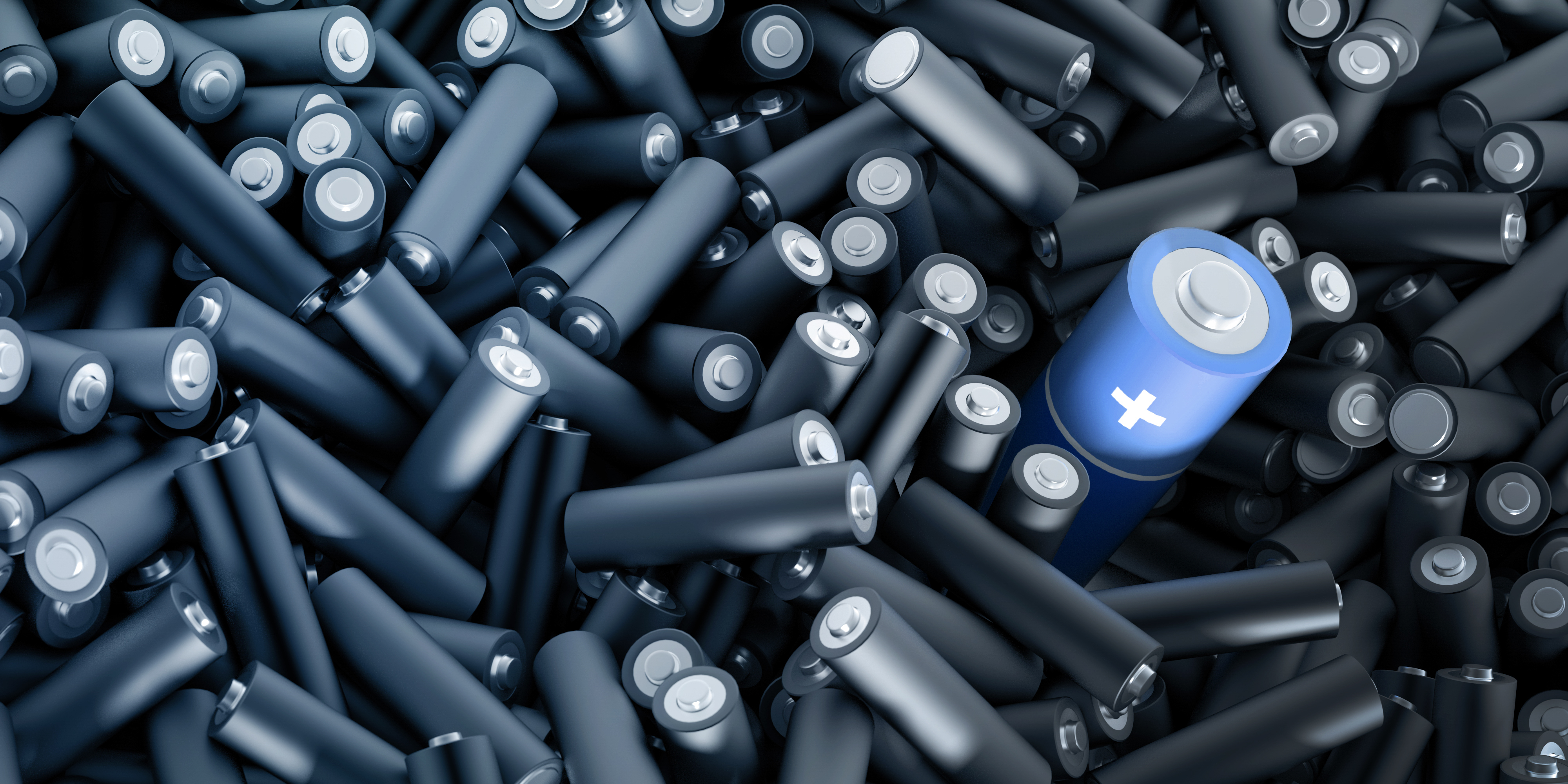
American Resources Corporation has begun receiving its first shipments designated for 2026 of end-of-life lithium-ion batteries through its Electrified Materials subsidiary, marking an early ramp-up in domestic battery recycling capacity as the United States seeks to secure critical mineral supply chains, according to company reporting.
The initial volumes are being delivered to Electrified Materials’ handling and preprocessing facility in Noblesville, Indiana, from a mix of U.S. and overseas suppliers. The move comes as growing numbers of electric vehicle batteries, stationary energy storage systems, and electronics reach retirement, creating both a waste-management challenge and a strategic resource opportunity.
Battery recycling has emerged as a focal point of U.S. industrial policy over the past several years, as policymakers and manufacturers look to reduce dependence on imported lithium, cobalt, and nickel. Data published by the International Energy Agency show global lithium-ion battery demand has more than tripled since 2020, while recycling infrastructure has lagged behind battery deployment, particularly in North America. Previous federal incentives, including tax credits tied to domestic sourcing, have accelerated investment but have not fully closed the processing gap.
Electrified Materials said it is sourcing batteries across multiple chemistries, including lithium iron phosphate as well as nickel- and cobalt-rich systems, working with logistics and aggregation partners such as Blackion LLC. The company focuses on compliant handling and preprocessing, conditioning spent batteries so that recoverable metals can be efficiently separated and prepared for further refinement.
The conditioned materials are transferred to ReElement Technologies, a downstream partner that refines the inputs into high-purity battery-grade products for reuse in manufacturing. The two companies describe the arrangement as a closed-loop system designed to keep critical minerals in domestic and allied supply chains, rather than exporting scrap or intermediate products for overseas processing.
Analysts say integrated recycling-to-refining models are gaining traction as battery manufacturers seek greater traceability and supply certainty. Observers note that lithium iron phosphate batteries, which are increasingly used in mass-market electric vehicles, present both opportunities and challenges for recyclers due to their lower cobalt and nickel content but rising overall volumes.
Industry groups have argued that scaling preprocessing capacity is as important as building refineries, citing bottlenecks in safely transporting and preparing spent batteries. Against that backdrop, Electrified Materials’ plan to expand its aggregation network and throughput over the course of 2026 reflects a broader push to industrialize battery recycling in the U.S.
Looking ahead, market participants expect battery retirement volumes to accelerate sharply toward the end of the decade as early generations of electric vehicles reach the end of their service lives. Companies that can establish reliable, compliant, and economically viable recycling pathways are likely to play an outsized role in shaping the next phase of the critical minerals market.
Source: American Resource Corporation
SUNSHINE Spotlight: Early 2026 battery shipments highlight how U.S. recyclers are positioning end-of-life lithium-ion cells as a strategic domestic source of critical minerals rather than a disposal problem.


