


Uzbekistan to Roll Out National End-of-Life Vehicle Recycling Scheme in 2026


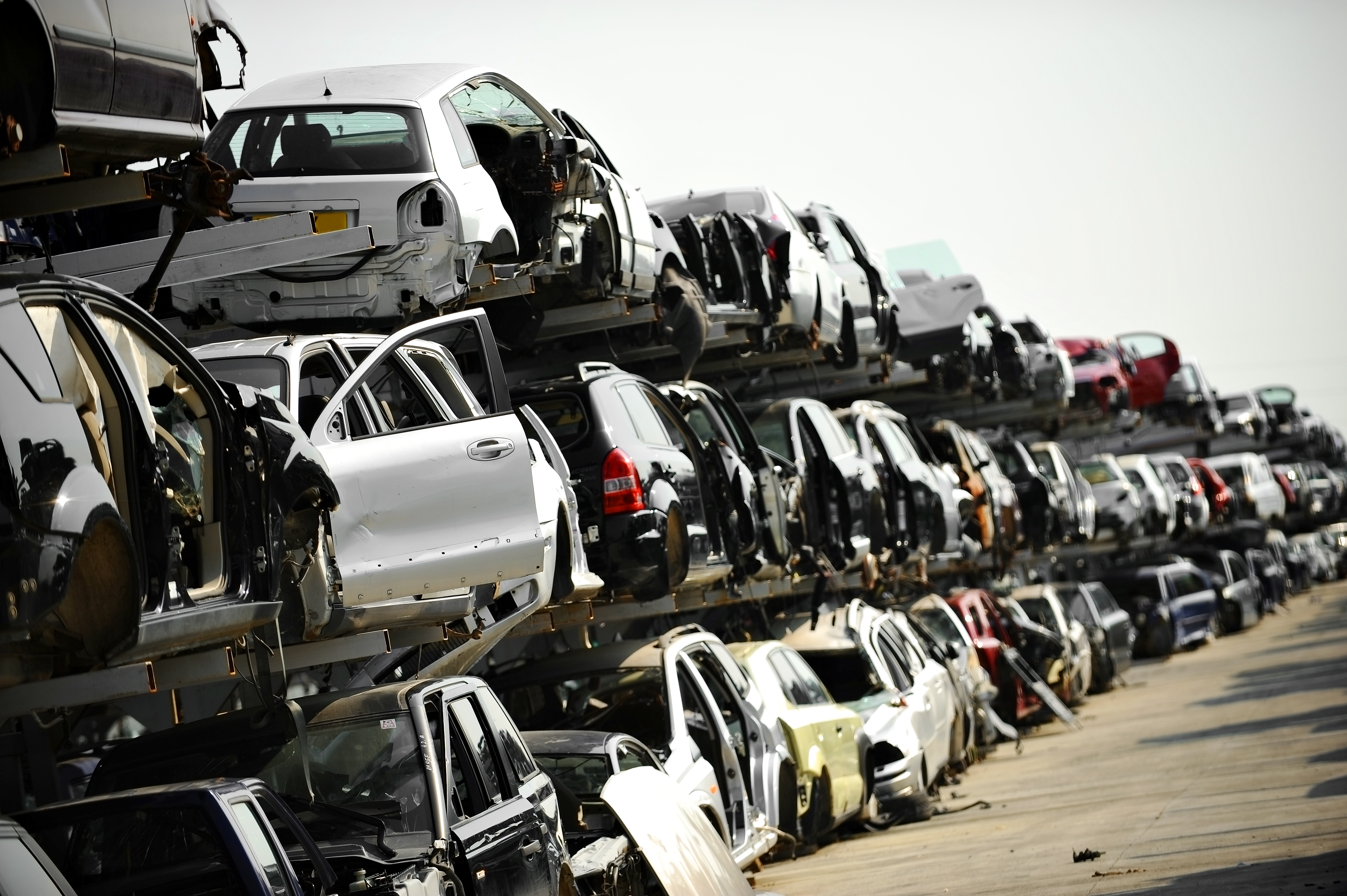
Uzbekistan will introduce a state-administered system for scrapping and recycling end-of-life vehicles from June 1, 2026, as part of a broader push to modernize its vehicle fleet and cut environmental risks, according to draft presidential decree materials reviewed by local media reporting UZDAILY.
The initiative sits within the government’s “Uzbekistan–2030” development framework and its 2026 policy agenda focused on community development and public welfare. Officials frame the program as both an environmental measure and an industrial policy tool, designed to accelerate the replacement of aging vehicles while building domestic recycling capacity.
Uzbekistan’s car fleet remains relatively old by regional standards. Industry data cited by transport analysts indicate that a significant share of passenger vehicles in use today are more than two decades old, contributing to higher emissions, safety concerns, and rising maintenance costs. Previous efforts to tighten environmental standards have faced implementation gaps, largely due to the absence of a formal vehicle take-back and recycling mechanism.
Under the planned system, specialized enterprises will be established to collect decommissioned vehicles and process recoverable materials, including metals, plastics, and components suitable for reuse. Owners who formally surrender old vehicles and finance the purchase of a new car through an auto loan will be eligible for a state subsidy covering 5% of the loan’s interest rate, a measure intended to stimulate participation and boost new vehicle sales.
The decree also proposes channeling recycling fees levied on imported vehicles into a dedicated fund. Officials say the fund will finance recycling infrastructure, collection networks, and related environmental projects, creating a closed-loop financing model rather than relying solely on budget allocations.
Beyond vehicles, the program expands the scope of regulated recycling to household and electrical equipment, including outdated solar panels. A nationwide network of collection and processing points is expected to be rolled out in phases, reflecting the government’s growing focus on electronic and renewable-energy waste streams.
Particular emphasis is placed on retiring vehicles aged 20 to 25 years. Observers note that targeted tax incentives and financial benefits for replacing these cars could materially reshape the domestic market, especially if paired with stricter technical inspections. Industry groups argue that such measures may also support local vehicle assembly and component manufacturing by stimulating predictable demand.
Analysts caution that execution will be critical. Successful programs in other emerging markets have depended on transparent fund management, clear technical standards, and sufficient processing capacity to prevent informal dismantling from undermining official channels.
If implemented as planned, the recycling system would mark Uzbekistan’s first comprehensive framework for end-of-life vehicles, aligning environmental policy with industrial development and consumer incentives as the country looks toward its 2030 targets.
Source: UZDAILY
SUNSHINE Spotlight: Uzbekistan’s planned vehicle recycling system aims to retire aging cars, fund recycling infrastructure, and link environmental goals with industrial modernization starting in mid-2026.


