


Nestlé, Interzero, TotalEnergies Join InFACT Project to Scale Flexible Plastic Recycling


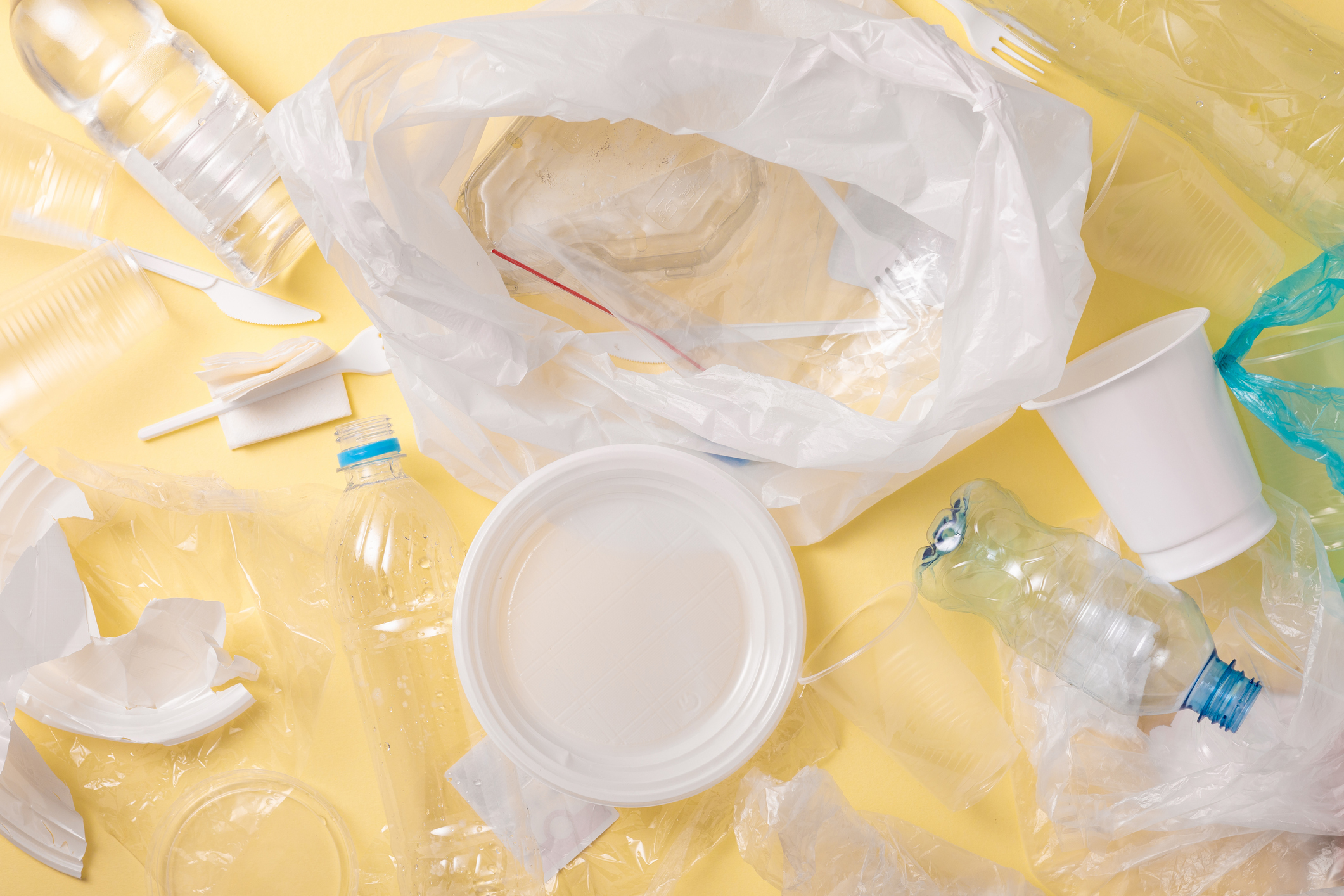
Nestlé, Interzero, TotalEnergies and 13 additional industry partners have launched the InFACT project, a collaborative initiative aimed at transforming post-consumer flexible plastic packaging into new food-grade packaging and supporting compliance with Europe’s evolving packaging regulations.
The three-year project, running from 2026 to 2028, brings together stakeholders from across the plastics value chain, including waste collection, sorting, recycling, packaging manufacturing, and food production, to address one of the recycling industry’s most persistent challenges: the circular recycling of flexible plastic packaging.
Led by the Danish Technological Institute and funded through Innovation Fund Denmark’s Trace programme, InFACT seeks to establish a commercially viable infrastructure capable of converting household plastic waste into high-quality recycled materials suitable for new packaging applications.
Flexible plastic packaging, including coffee pouches, snack wrappers, confectionery packaging, and other multi-layer films, remains one of the most difficult plastic waste streams to recycle. According to the European Environment Agency, less than 15% of this category is currently recycled, despite representing nearly half of all plastic packaging placed on the European market.
Much of this material is either incinerated for energy recovery or downcycled into lower-value products because its complex construction, including multiple polymer layers, printing inks, adhesives, barrier coatings, and metallized films, makes conventional mechanical recycling technically challenging.
The InFACT consortium aims to overcome these limitations by integrating multiple complementary recycling technologies capable of processing complex flexible packaging while preserving material value. Rather than relying on a single recycling process, the project will combine advanced sorting, mechanical recycling, and complementary treatment technologies to improve recovery rates and enable higher-value applications.
Beyond technological innovation, the project also seeks to address broader market barriers that have limited circularity for flexible plastics. By connecting material suppliers, recyclers, packaging manufacturers, food producers, and documentation systems across the value chain, the consortium aims to create commercially sustainable business models that support large-scale adoption of recycled flexible packaging materials.
“If we can establish a commercially viable infrastructure for flexible plastic packaging, we can both support the implementation of EU requirements and strengthen the resilience of European industry,” said Per Sigaard Christensen, Business Manager at the Danish Technological Institute. “InFACT can help reduce Europe’s dependence on imported fossil oil and build a more self-sufficient circular plastics economy.”
The initiative comes as the European Union strengthens packaging sustainability requirements through the Packaging and Packaging Waste Regulation (PPWR), which introduces more stringent targets for recyclability, recycled content, and circular design. These regulatory changes are driving increased collaboration across the packaging value chain to develop scalable recycling solutions for materials that have historically been difficult to recover.
By creating an integrated ecosystem spanning collection through to new packaging production, the InFACT partners aim to demonstrate that flexible plastic packaging can become part of a viable circular economy rather than a predominantly linear waste stream.
The project also reflects growing momentum behind collaborative innovation in sustainable packaging across Europe. Recent initiatives include the introduction of advanced recycled plastic materials with enhanced mechanical properties and EU-funded research demonstrating the conversion of industrial by-products, including brewery waste, into bio-based packaging materials designed to support compliance with emerging circular economy legislation.
As regulatory requirements tighten and demand for recycled content continues to increase, industry-wide collaborations such as InFACT are expected to play an increasingly important role in developing the technologies, supply chains, and commercial frameworks needed to expand circular plastics recycling at scale.
Source: Packaging Europe
SUNSHINE Spotlight: The InFACT consortium brings together 16 partners across the plastics value chain to develop commercially viable recycling solutions for flexible plastic packaging, supporting Europe’s transition toward higher recycled content and greater packaging circularity.


