


Italy Clears €35 Million Support Plan for Scrap-Based Stainless Steel Production


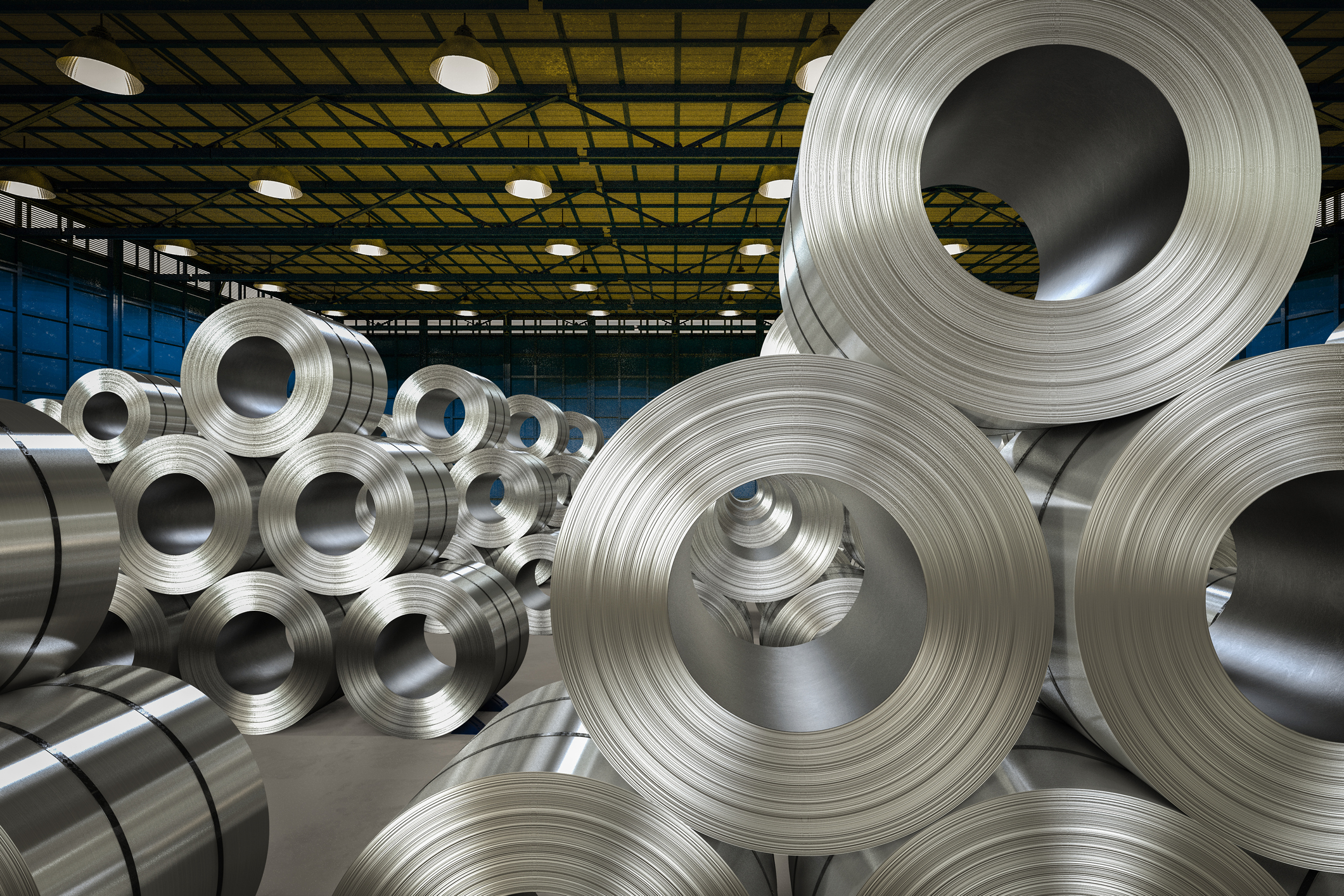
Italy has approved a new state aid measure in its 2026 budget to support low-emission stainless steel production using recycled scrap, a move intended to protect domestic capacity as European producers face rising import pressure and tightening climate rules, according to parliamentary and industry reporting.
The initiative comes as Italy, one of Europe’s largest stainless steel producers, seeks to align industrial policy with EU decarbonisation targets while preserving energy-intensive manufacturing jobs. Stainless steel output in Europe has been under strain from high power costs, weaker demand, and competition from lower-priced material produced outside the bloc, analysts say.
Under the approved framework, the government will allocate €35 million between 2026 and 2028 to producers that rely predominantly on stainless steel scrap and low-carbon energy sources. Senate budget documentation reviewed by Kallanish indicates the support is calculated per tonne of steel produced, signalling a focus on primary production rather than downstream finished goods. Both flat and long stainless products qualify if emissions thresholds are met.
Eligibility requires that at least 90% of production inputs consist of stainless steel scrap, with a reduced threshold of 70% permitted for certain specialty grades where technical constraints apply. Producers must also meet energy-efficiency criteria. The scheme allows beneficiaries to combine the funding with other forms of state aid covering operating costs, within EU competition limits, the documents show.
Acciai Speciali Terni, controlled by Italian steelmaker Arvedi, is expected to be the main recipient, people familiar with the matter said. Observers note that the Terni plant has long been positioned as a benchmark for scrap-based stainless production in southern Europe, giving it an advantage as policy incentives increasingly favour circular manufacturing models.
The approval follows recent capital investments at the Terni site aimed at cutting emissions. The company has brought online a new walking-beam slab furnace that produced its first slab in December, part of what Arvedi founder Giovanni Arvedi has described as the largest upgrade at the plant in three decades. Company statements highlight reductions in methane consumption alongside improvements in product consistency.
Industry groups argue that targeted support is necessary to offset structural cost disadvantages faced by European steelmakers, particularly in electricity pricing, while ensuring compliance with EU climate rules such as the Carbon Border Adjustment Mechanism. Critics, however, caution that public funding alone may not be sufficient if market demand remains subdued.
Analysts say Italy’s approach could serve as a template for other EU member states seeking to balance decarbonisation with industrial resilience, especially as recycled feedstock becomes a strategic resource in metals manufacturing.
Source: EuroMetal
SUNSHINE Spotlight: Italy’s new budget-backed aid ties stainless steel competitiveness to scrap use and emissions cuts, underscoring how climate policy is reshaping industrial support in Europe.


