


Reju Picks Rochester, New York for First U.S. Textile Recycling Hub


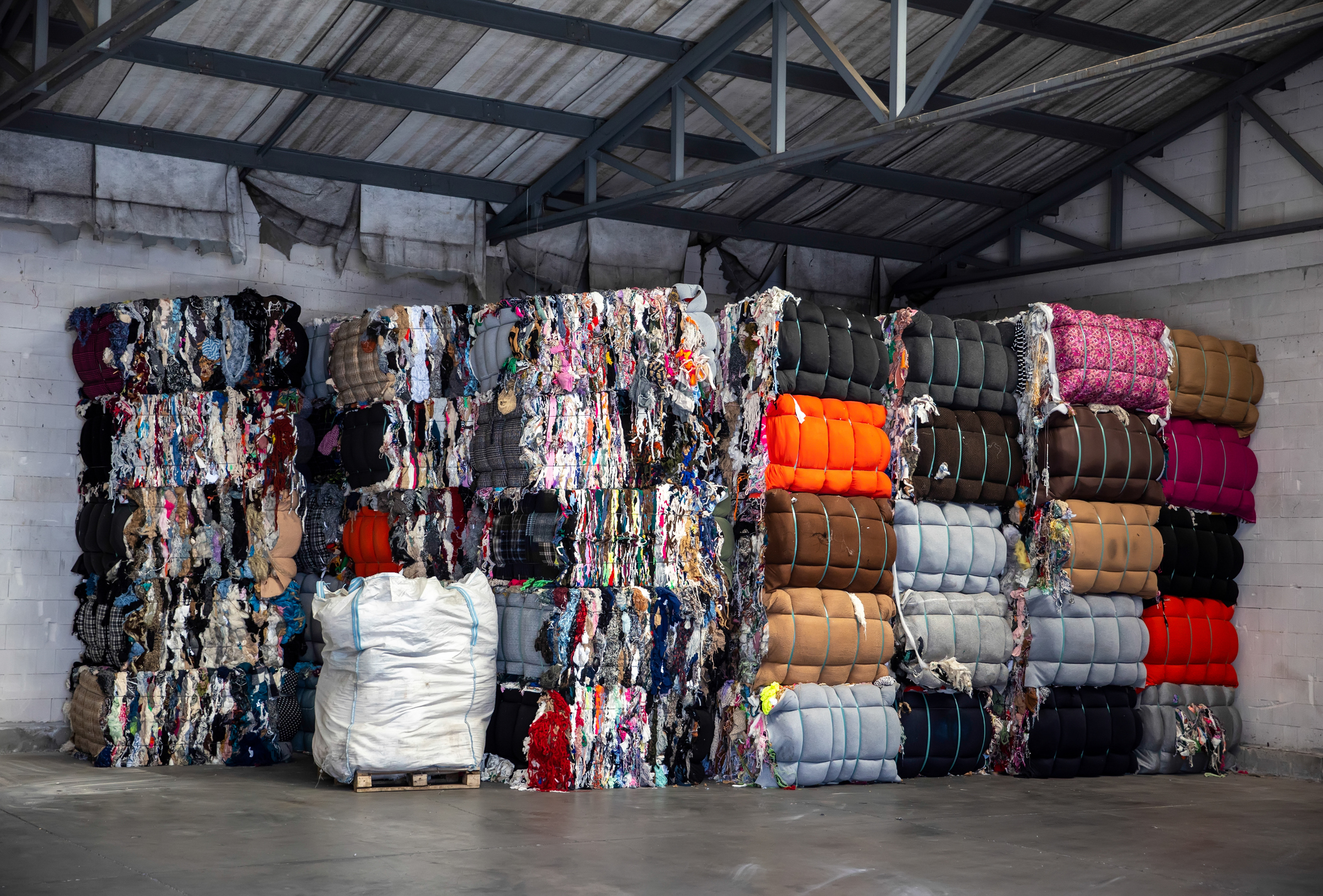
Reju has chosen Rochester, New York, as the location for its first industrial-scale textile regeneration facility in the United States, a move that underscores growing efforts to localize circular manufacturing as regulators and brands push to cut textile waste, according to company reporting.
The planned facility will be built on a nearly 19-acre site at Eastman Business Park, a former industrial complex long associated with advanced materials and manufacturing. Reju said the project is designed to process textile waste at scale, with capacity equivalent to hundreds of millions of garments each year, diverting material that would otherwise be landfilled or incinerated.
The site selection comes as the global apparel industry faces mounting pressure to address waste and emissions. Polyester accounts for more than half of global fiber production, and recycling rates for post-consumer textiles remain in the low single digits, data published by industry groups and the Ellen MacArthur Foundation show. Previous efforts to scale textile-to-textile recycling have struggled with inconsistent feedstock, high costs, and limited downstream demand.
Reju said the Rochester hub would convert used polyester textiles into intermediate recycled materials that can be repolymerized into new polyester suitable for apparel and other applications. The project remains subject to a final investment decision by the board of Technip Energies, Reju’s parent company, which provides the core processing technology alongside research developed with IBM Research.
If approved, the facility would represent Reju’s first U.S. industrial site, adding to its demonstration plant in Frankfurt and a previously announced European hub planned at Chemelot Industrial Park in the Netherlands. Observers note that placing a large facility in the United States could help reduce supply chain risks for brands seeking recycled inputs, while also addressing rising calls for near-shoring advanced manufacturing.
State officials welcomed the announcement, citing job creation and environmental benefits. New York Governor Kathy Hochul said the project aligns with state efforts to grow clean manufacturing while keeping waste out of landfills. Reju estimates the Rochester facility could create around 70 permanent jobs once operational.
Industry reaction has been broadly supportive, though analysts caution that execution will be critical. Scaling chemical recycling of textiles has proven capital-intensive, and long-term success depends on stable collection systems and brand commitments to purchase recycled fibers at competitive prices. Industry groups argue that supportive policy frameworks, including extended producer responsibility laws and recycled content mandates, will be key to sustaining investment.
Looking ahead, analysts say the Rochester project could serve as a test case for whether textile-to-textile recycling can move beyond pilot scale in the U.S. market. If the facility reaches full capacity and secures reliable feedstock and offtake agreements, it may encourage further investment in circular infrastructure across North America.
Source: Reju
SUNSHINE Spotlight: Reju’s Rochester site marks a pivotal step in testing whether large-scale textile recycling can take hold in the U.S. and turn waste into a stable industrial resource.


