


Cambodia Breaks Ground on First Food-Grade PET Recycling Plant


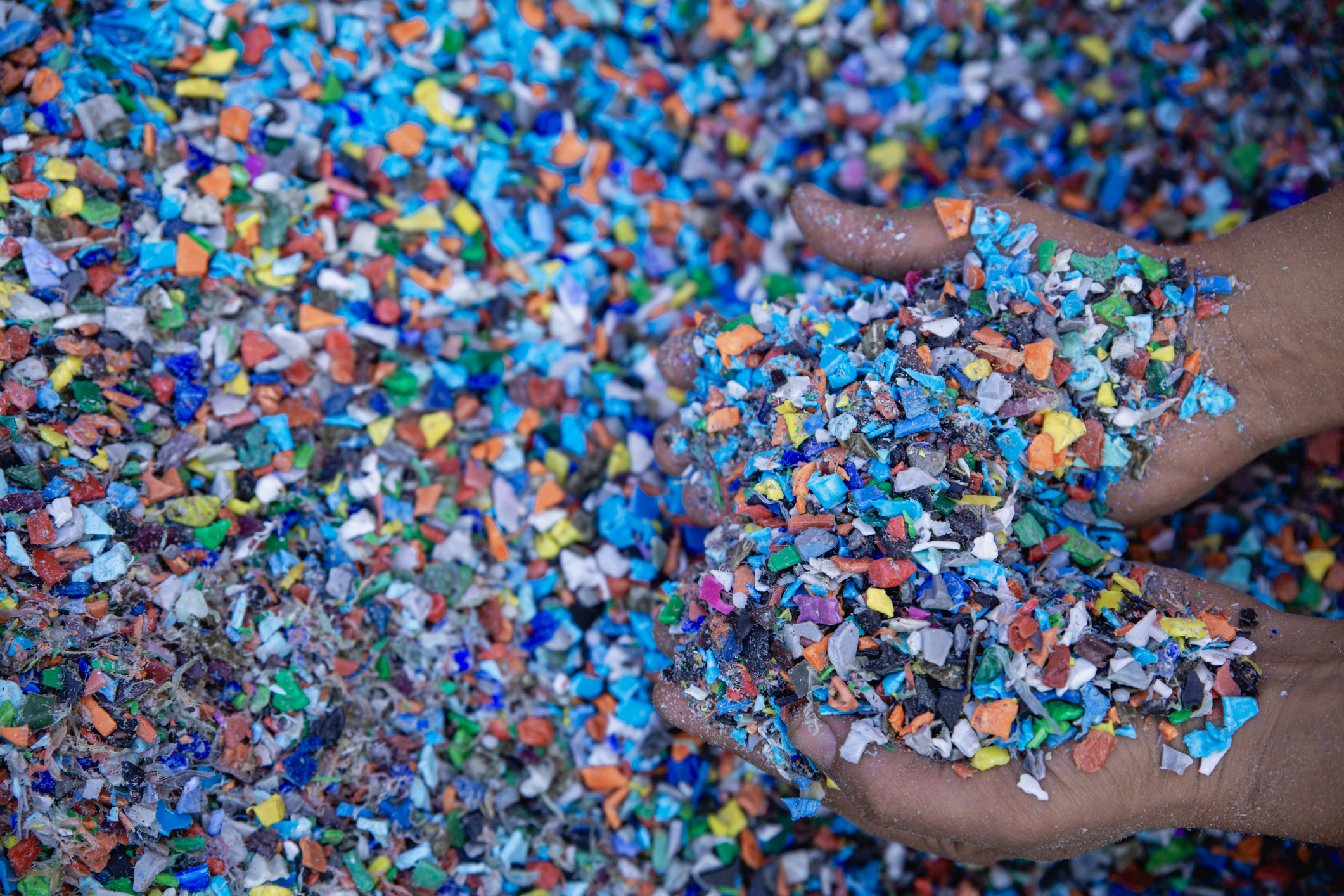
A1 Plastics Resources Limited has launched construction of Cambodia’s first international-standard food-grade PET recycling facility in Pursat province, a project that underscores the country’s push to curb plastic pollution while building domestic recycling capacity, according to company and government statements made at the groundbreaking ceremony.
The plant, located in the Pursat Special Economic Zone, is scheduled to begin operations in the fourth quarter of 2026 and is designed to process up to 44,000 metric tonnes of post-consumer PET bottles annually. Industry observers note that the facility marks a significant step for Cambodia, where most plastic waste is still landfilled, openly burned, or leaks into waterways.
Plastic consumption in Cambodia has risen steadily over the past decade, driven by urbanization and growth in packaged food and beverages. Government data and regional studies show recycling rates remain low compared with neighboring markets such as Thailand and Vietnam, which have already attracted large-scale investments in food-grade recycled plastics. Previous efforts in Cambodia have focused largely on informal collection and low-value recycling, with limited capacity to meet international food-contact standards.
A1 Plastics said the new site will initially operate two production lines: a washing line producing food-grade PET flakes and a pelletizing line converting those flakes into reusable pellets for packaging, textiles, and consumer goods. The facility will occupy roughly 45,000 square meters, including 12,000 square meters of factory space, with land reserved for future expansion as feedstock supply grows.
At the ceremony, Mines and Energy Minister Keo Rottanak said the project could help formalize collection networks and improve working conditions if managed effectively, while creating a more stable market for recovered materials. Company chair and chief executive Deborah Lee said the investment is intended to “close the loop” on plastic bottles by turning domestic waste into high-quality industrial inputs rather than exported scrap.
The plant is designed to produce recycled materials that meet U.S. FDA and European EFSA standards for food-contact applications, A1 Plastics said. Its pelletizing line will use liquid-state polycondensation technology supplied by Austria-based equipment maker NGR, which the company says improves decontamination and material performance. Advanced sorting systems, including AI-assisted detection, are intended to reduce contamination and raise output quality.
Environmental controls are a central feature of the project. A1 Plastics said the facility will run entirely on renewable energy from solar and hydropower, target LEED Gold certification, and include filtration systems to prevent microplastics from entering surrounding ecosystems. Water used in processing will be recycled internally to limit discharge and overall consumption.
Analysts say the timing reflects tightening regional and global demand for recycled PET, driven by corporate sustainability targets and emerging regulations that require minimum recycled content in packaging. Food and beverage companies in Southeast Asia are increasingly competing for reliable supplies of food-grade rPET, a market still constrained by limited high-quality processing capacity.
The project is expected to create about 150 skilled jobs in its first phase, with additional employment anticipated as operations expand. A1 Plastics said it plans to invest in workforce training and local supplier development, aiming to strengthen Cambodia’s role in regional recycling supply chains.
Industry groups argue that the plant’s success will depend on consistent collection volumes, enforcement against illegal dumping, and policies that support recycled content markets. If those conditions are met, observers say the facility could serve as a template for further investment in Cambodia’s circular economy.
Source: Cambodia Investment Review
SUNSHINE Spotlight: The Pursat project signals Cambodia’s entry into food-grade plastic recycling, linking pollution reduction with industrial and job growth.


