


Environmental Groups Call on Indonesia to Re-Export Seized E-Waste Containers


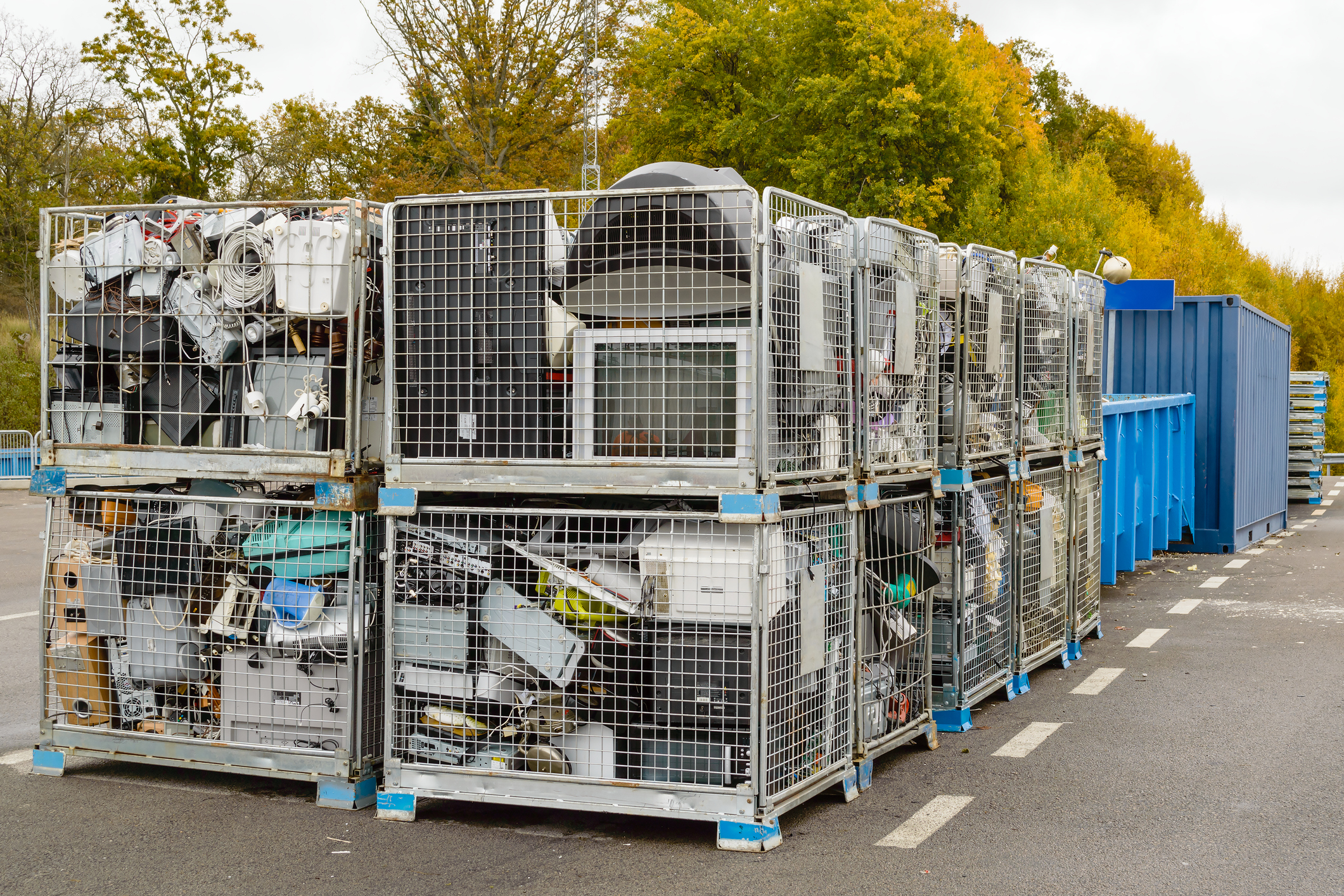
Environmental organizations are urging the Indonesian government to return hundreds of containers suspected of carrying illegal electronic waste to their countries of origin, warning that alternative handling methods could violate international waste trade rules. The appeal was made in an open letter sent to Indonesian President Prabowo Subianto by advocacy groups including the Basel Action Network, Nexus3 Foundation and ECOTON.
The groups are asking authorities to order the re-export of 914 containers seized at Batu Ampar Port in Batam and to publicly disclose container identification numbers tied to the shipments. They argue that transparency is necessary to ensure the waste is returned to its original exporting ports and not diverted to other countries.
The case centers on containers that environmental investigators believe contain misdeclared electronic and plastic waste shipments. The Basel Action Network said it alerted Indonesian officials throughout 2025 under its monitoring initiative targeting illegal waste shipments. According to the group, more than 1,500 containers linked to suspected waste exports from the United States were flagged to authorities beginning in March of that year.
Indonesian enforcement agencies subsequently detained hundreds of containers at the Batam port complex in late 2025. Environmental groups acknowledged the action but say information about how the containers are being handled or re-exported remains limited.
International rules governing hazardous waste shipments fall under the Basel Convention, which Indonesia ratified in 1993. The treaty requires that illegal shipments be returned to their country of origin or otherwise managed in accordance with strict environmental standards. Analysts note that enforcement challenges persist as global trade in recyclable materials continues to expand.
Advocates say the Batam case highlights broader concerns about waste trafficking networks that mislabel shipments to bypass regulations. Investigations by environmental groups have pointed to the use of incorrect customs classifications and intermediary brokers as common tactics used to move e-waste across borders.
The organizations warned that auctioning seized containers domestically could expose local communities to hazardous materials and undermine international commitments. Instead, they are calling for authorities to prohibit such sales and ensure the shipments are returned to exporting countries, with the costs borne by the companies involved in transporting or importing the waste.
The letter also asks the Indonesian government to publish container numbers associated with re-exported shipments, investigate possible fraud and strengthen enforcement measures to prevent future illegal waste imports. Environmental advocates argue that making shipment data public can help prevent containers from being rerouted to other developing nations.
Industry observers note that disputes over transboundary waste shipments have intensified since China restricted imports of scrap materials in 2018, prompting exporters to seek alternative destinations across Southeast Asia. Several countries in the region have since tightened regulations or returned contaminated waste shipments.
For Indonesia, the handling of the Batam containers could become a test case for how governments respond to suspected illegal waste imports while balancing domestic recycling needs and international environmental commitments.
Source: Basel Action Network
SUNSHINE Spotlight: The Batam e-waste dispute highlights growing global scrutiny of cross-border waste shipments and the challenge of enforcing international rules on hazardous materials trade.


