


Environmental Groups Form Coalition to Oppose Alleged Illegal E-Waste Imports to the Philippines


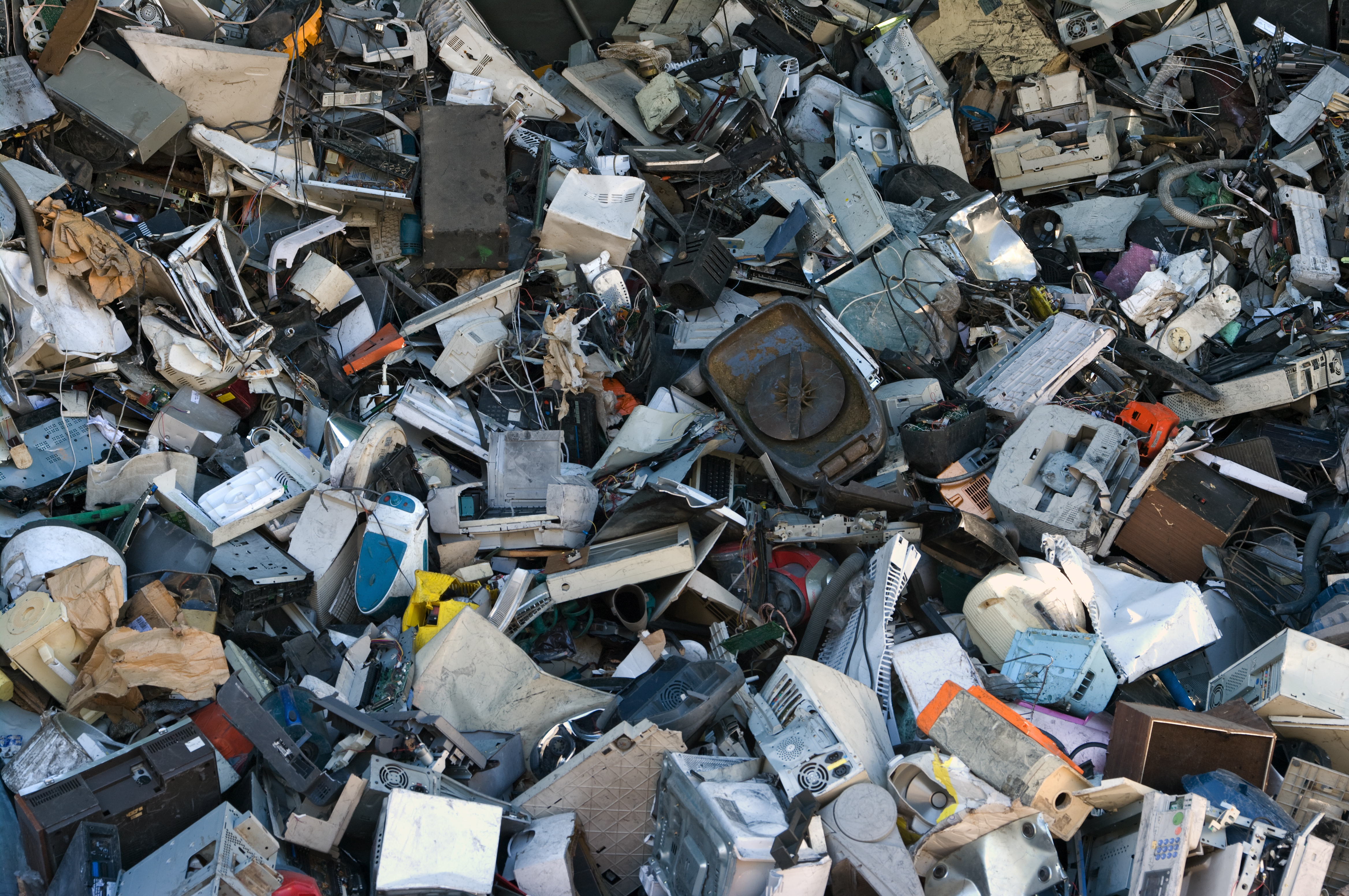
According to industry reports, a coalition of local and international environmental organizations has launched a campaign to oppose what it alleges are ongoing illegal shipments of electronic waste (e-waste) from the United States to the Philippines, calling for tighter import controls and stronger enforcement of international waste regulations.
The coalition, named Environmental Task Force Against Illegal E-Waste Imports to the Philippines (END E-WASTE IMPORTS), brings together organizations including Ban Toxics, the Basel Action Network (BAN), Greenpeace Philippines, GAIA Asia Pacific, Break Free From Plastic-Asia Pacific, Ecowaste Coalition and several other environmental advocacy groups. The alliance aims to raise public awareness, engage local communities and advocate for stricter measures against the import of hazardous waste.
During a press conference in Quezon City, the groups released aerial images that they said showed electronic waste being stored outdoors at facilities inside the Subic Bay Freeport. They also alleged that at least 234 containers of suspected e-waste and one container of plastic waste from the United States had arrived at the freeport since March 2025.
The claims are based on findings from Operation Can Opener, a monitoring initiative led by the Basel Action Network that tracks cross-border shipments of discarded electronics using commercially available trade data and GPS tracking devices placed inside non-functional electronic equipment. According to the organization, several trackers ultimately led to facilities in Subic.
The coalition said it plans to press the Philippine government to strengthen enforcement against illegal waste imports and close regulatory gaps that it says allow certain electronic, metal and plastic scrap shipments to enter the country under recyclable material classifications.
“Although high-profile dumping scandals have gained public attention, the influx of waste from highly industrialized countries continues because regulatory gaps allow the shipping of items, such as electronic, metal and plastic scraps, classified as 'recyclable,” said Aileen Lucero, National Coordinator of the Ecowaste Coalition.
The issue comes as governments worldwide face growing pressure to improve oversight of cross-border waste movements under the Basel Convention, which regulates international shipments of hazardous waste. Environmental groups have also urged the Philippines to ratify the Basel Convention Ban Amendment, which would prohibit hazardous waste exports from developed countries to developing nations for disposal or recycling.
Source: inquirer.net
SUNSHINE Spotlight: The formation of the coalition underscores growing scrutiny of international e-waste shipments and renewed calls for tighter controls on cross-border movements of recyclable and hazardous materials.


