


EU Tightens Steel Import Quotas and Raises Tariffs as Bloc Moves to Curb Global Overcapacity


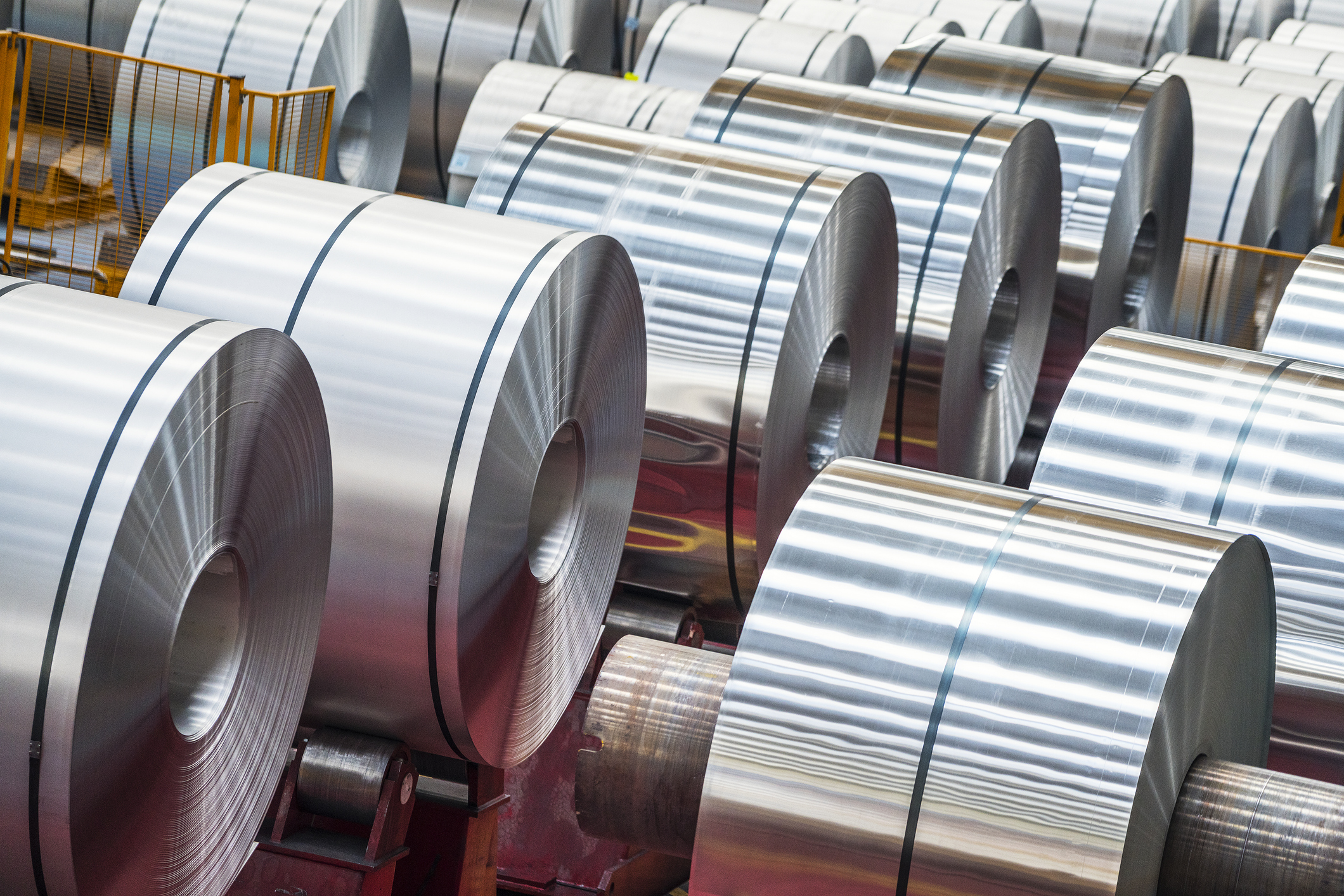
European Parliament has approved a new trade safeguard regime for steel that will sharply reduce tariff-free import volumes and raise duties on excess shipments, in a bid to shield the bloc’s steel industry from global overcapacity pressures when current protections expire in mid-2026.
According to reports, the measure sets annual duty-free steel import quotas at 18.3 million tonnes, a 47% reduction compared with 2024 levels, and introduces a 50% tariff on imports above quota thresholds, up from the current 25%. The framework also extends coverage to steel products not included in the quota system.
The regulation was adopted with 606 votes in favour, 16 against and 39 abstentions, following earlier agreement between Parliament and Council negotiators. It now requires formal approval from the Council before entering into force on 1 July 2026.
The new regime replaces the EU’s existing safeguard mechanism, which has been in place since 2018 under World Trade Organization rules and is set to expire on 30 June 2026. EU lawmakers said the updated system is intended to address persistent import pressure linked to global steel overcapacity.
A key element of the reform is a “melt and pour” rule, which determines the origin of steel based on where it is first melted and cast. EU officials said the change is designed to improve traceability and limit circumvention practices involving minimal processing in third countries before re-export into the bloc.
The regulation also requires the European Commission to factor origin considerations into quota allocations, a move aimed at tightening oversight of trade flows and improving enforcement of import controls.
Karin Karlsbro, the lead negotiator for the file, said the EU needed stronger tools to manage structural imbalances in global steel markets while maintaining fair competition. She also pointed to the exclusion of Russian steel slabs from the new exemptions framework and called for differentiated treatment for Ukraine given its status as an EU candidate country.
The steel sector remains under sustained pressure from weak pricing and high import volumes, with policymakers warning that global overcapacity continues to distort trade flows. EU industry data cited by lawmakers indicates the sector has lost around 100,000 jobs since 2008.
Steel is considered strategically important within the EU, both for industrial supply chains and defence manufacturing. The bloc’s broader steel and metals policy has increasingly focused on balancing decarbonisation investment needs with trade protection measures.
Source: European Parliament
SUNSHINE Spotlight: The EU is tightening steel import quotas and raising tariffs to counter global overcapacity and reinforce traceability in trade flows ahead of the 2026 safeguard expiry.


