


Cleanfarms Reports Record Recovery Volumes for Agricultural Plastics in 2025


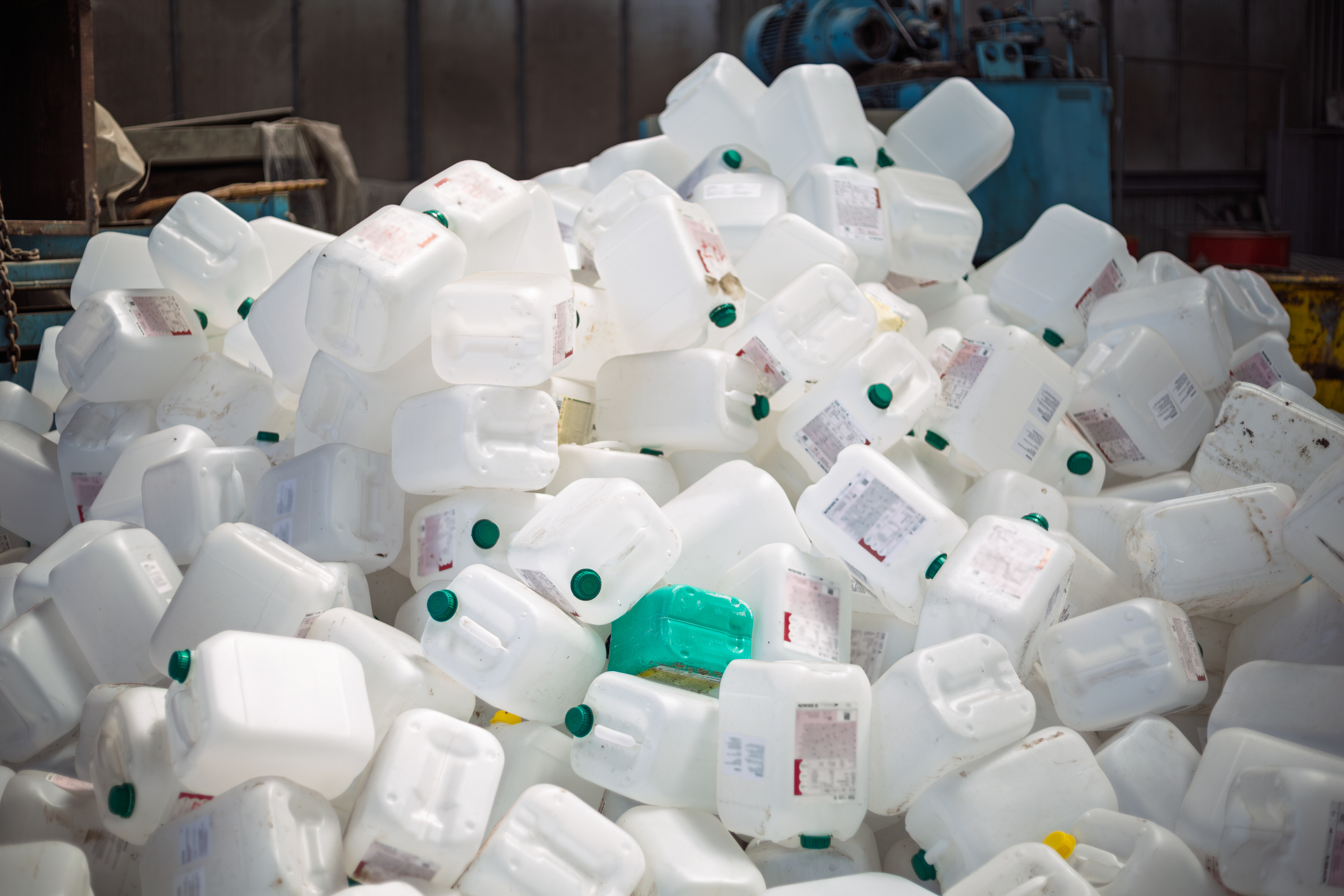
Cleanfarms reported record collection volumes for agricultural plastics in 2025, as recycling programs for farm packaging and materials continued expanding across Canada.
In its latest annual report, the producer responsibility organization said it recycled 2.5 million kilograms of pesticide and fertilizer containers during the year, up 13% from 2024 levels. The group also collected a record 1.1 million kilograms of small and large tote bags.
Cleanfarms operates recycling and recovery programs for agricultural plastics and packaging across Canada, working with manufacturers, retailers, governments and farming communities to manage waste streams generated through agricultural operations.
The organization said collection growth was supported by a mix of regulated provincial stewardship programs and voluntary industry initiatives. Manitoba, Alberta and Quebec each recorded new collection highs in 2025.
The report also highlighted the expansion of container recycling services into Newfoundland, where Cleanfarms introduced recycling for small containers under 23 litres for the first time during the fall collection season.
“This is one of Cleanfarms’ best years to date,” said Shane Hedderson, interim executive director of Cleanfarms. “It reflects the growing commitment of members, farmers and partners across Canada to make recycling a standard practice on the farm.”
The organization said efforts to simplify collection logistics and improve accessibility have contributed to stronger participation rates among agricultural operators, particularly for materials that historically faced limited recycling options.
Beyond collection volumes, the report pointed to progress in closed-loop recycling initiatives involving agricultural plastics. Among the projects highlighted was development work on refillable container bases manufactured using recycled farm plastics, part of broader efforts to expand end markets for recovered agricultural materials.
Agricultural plastics remain a difficult waste stream in many regions due to contamination, dispersed collection points and the technical requirements involved in recycling used farm packaging. Producer responsibility models have increasingly been adopted to improve collection infrastructure and support material recovery.
Canada’s agricultural sector has seen growing pressure to improve plastics management as farms continue using large volumes of packaging, silage wrap, chemical containers and bulk handling materials.
Cleanfarms marked its 15th anniversary in 2025, with the organization describing the latest results as evidence that circularity practices are becoming more integrated into day-to-day agricultural operations.
Source: Cleanfarms
SUNSHINE Spotlight: Agricultural plastics recovery programs in Canada are reaching larger scale as recycling systems become more integrated into routine farm operations and closed-loop applications expand.


