


Amcor Joins Danish-Led Push to Close the Loop on Food-Grade Plastic Recycling


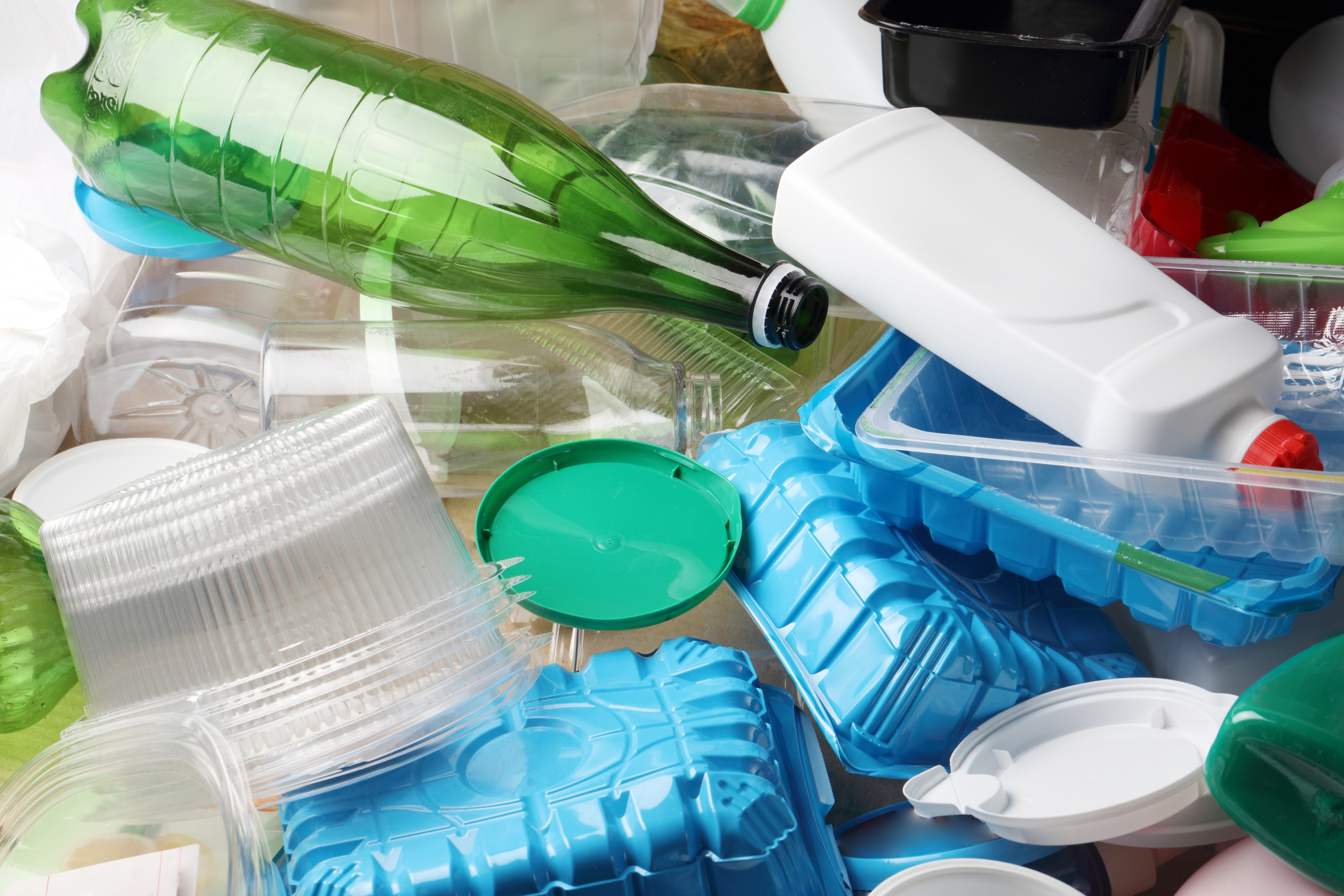
Amcor has joined a Danish-led, three-year recycling initiative aimed at producing food-grade recycled plastics from household waste, a move that underscores growing pressure on packaging makers to meet tougher EU circularity rules, according to company statements and industry reporting.
The project, known as Circular Recycling Innovation for Sustainable Packaging, or CRISP, is coordinated by the Danish Technological Institute and brings together packaging producers, food manufacturers and waste management firms. Amcor says that its objective is to demonstrate full-scale circular recycling of rigid food packaging made from polyethylene and polypropylene collected from Danish households, materials that have historically been difficult to recycle back into food-contact applications.
Europe’s recycling infrastructure has long prioritized materials with higher immediate economic returns, leaving food-grade PE and PP reliant on virgin polymers. Analysts say that the gap is becoming increasingly problematic as the EU tightens regulatory requirements and consumer brands face rising scrutiny over plastic footprints. Data published by European industry groups show recycling rates for flexible and rigid food plastics continue to lag well behind overall plastic recycling averages.
Amcor will contribute technical expertise from its CleanStream mechanical recycling operation in the UK and its packaging production facility in Randers, Denmark. The company said the project will focus on building a traceable recycling loop that can reliably deliver recycled HDPE and PP suitable for food contact, a prerequisite for meeting forthcoming regulatory mandates under the EU’s Packaging and Packaging Waste Regulation.
The initiative aligns with Denmark’s extended producer responsibility system, which requires producers to cover the costs of managing packaging waste while incentivizing recyclable design choices. Observers note that EPR schemes are increasingly shaping investment decisions across Europe, pushing manufacturers to support domestic recycling capacity rather than rely on exports or downcycling.
Industry groups argue that collaboration across the value chain is essential to unlocking food-grade recycling at scale, given the technical and regulatory hurdles involved. Amcor executives said the project is intended to show that circular food packaging can be commercially viable when recyclers, converters and brand owners align around shared standards and data transparency.
The Danish Technological Institute said the consortium aims to deliver a repeatable model that could be replicated beyond Denmark, particularly in markets preparing for the EU’s 2030 target to make most plastic packaging recyclable and significantly raise recycling rates.
Analysts say success will depend on whether pilot-scale results can be translated into consistent volumes of certified food-grade material at competitive costs. If achieved, the project could strengthen Europe’s domestic supply of recycled plastics and reduce reliance on virgin polymers amid tightening regulation and volatile raw material markets.
Source: Amcor
SUNSHINE Spotlight: A Danish-led partnership backed by Amcor is testing whether household food packaging can be recycled back into food-grade plastics at scale under Europe’s tightening circular economy rules.


