


Ukraine Sets Zero Scrap Export Quotas for 2026


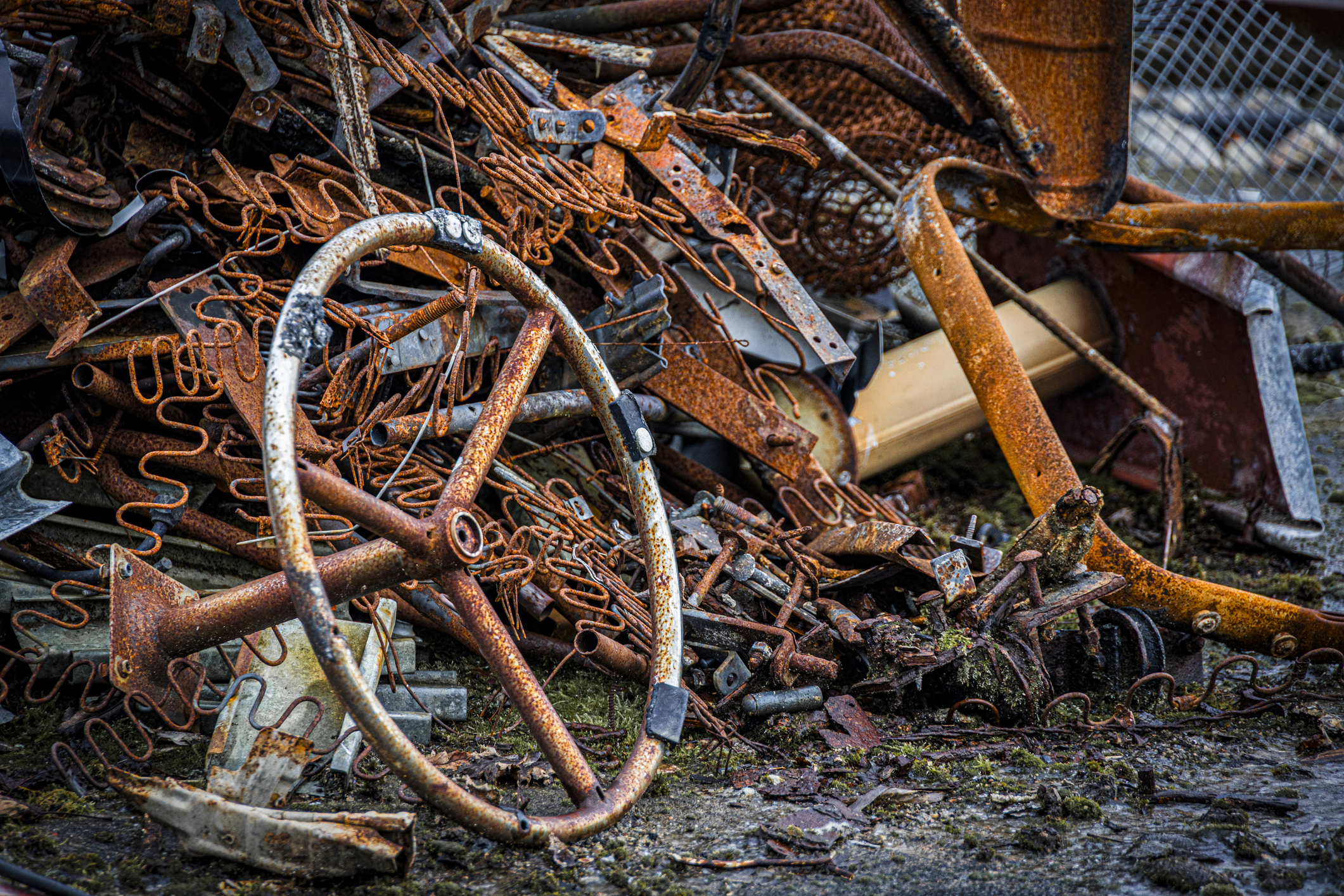
Ukraine’s government has approved zero export quotas for ferrous and copper scrap for 2026, a move aimed at keeping critical raw materials inside the country to support domestic steelmaking, boost tax revenues, and prepare industry for tighter carbon rules, Dmytro Kysilevsky, deputy chairman of the Verkhovna Rada Committee on Economic Development, said in a social media post.
The decision covers ferrous metal scrap under customs code 7204 and copper scrap under code 7404 00, and is expected to be formalized at the legislative level this year. Lawmakers argue that processing scrap at home delivers far greater fiscal and industrial benefits than exporting unprocessed material.
Ukraine has long treated scrap metal as a strategic input for its steel sector, which remains a major employer and export earner. In recent years, policymakers have sought to curb outward flows amid concerns that scrap shipped to the European Union is subsequently re-exported to third countries, diluting the intended effect of export controls. Data published by GMK Center shows that scrap availability has tightened alongside rising domestic demand as steel output gradually recovers.
Dmytro Kysilevsky said one metric ton of scrap processed domestically into finished products generates about UAH 15,000 in tax revenue, while exported scrap yields negligible fiscal returns due to widespread informal collection practices. He added that Ukraine loses an estimated UAH 3.5 billion annually because scrap exports to the EU face zero duties, compared with €180 per ton applied to other destinations, even though much of the material is ultimately shipped beyond the bloc.
Officials estimate that roughly 380,000 tons of scrap exported in 2025 could have generated around UAH 5.7 billion in taxes if processed domestically. Industry groups have echoed these concerns, arguing that unrestricted exports undermine local mills while benefiting foreign producers that enjoy stronger state support and market protections.
Environmental considerations are also shaping policy. From 2026, the EU is set to roll out its Carbon Border Adjustment Mechanism, increasing pressure on steelmakers to cut emissions. Observers note that scrap is essential for lower-carbon steel production, and retaining supply at home would help Ukraine align with EU climate standards as it advances its accession ambitions.
The Economy Ministry first floated the idea of a zero export quota in April 2025, citing evidence that declared EU-bound shipments were being diverted onward to markets such as Turkey. Analysts say the current decision reflects a broader shift toward resource nationalism as governments seek to secure inputs for industrial rebuilding.
Lawmakers say the export restrictions should stay in force as long as reconstruction needs and external market conditions justify them. Market participants expect continued debate over enforcement and exemptions, but most agree that policy direction now favors maximizing domestic value added.
Source: GMK Center
SUNSHINE Spotlight: By locking in zero scrap export quotas for 2026, Ukraine is prioritizing domestic steelmaking, fiscal gains, and lower-carbon production over short-term export revenues.


