


NOVA Chemicals Launches Two Post-Consumer Recycled PE Grades


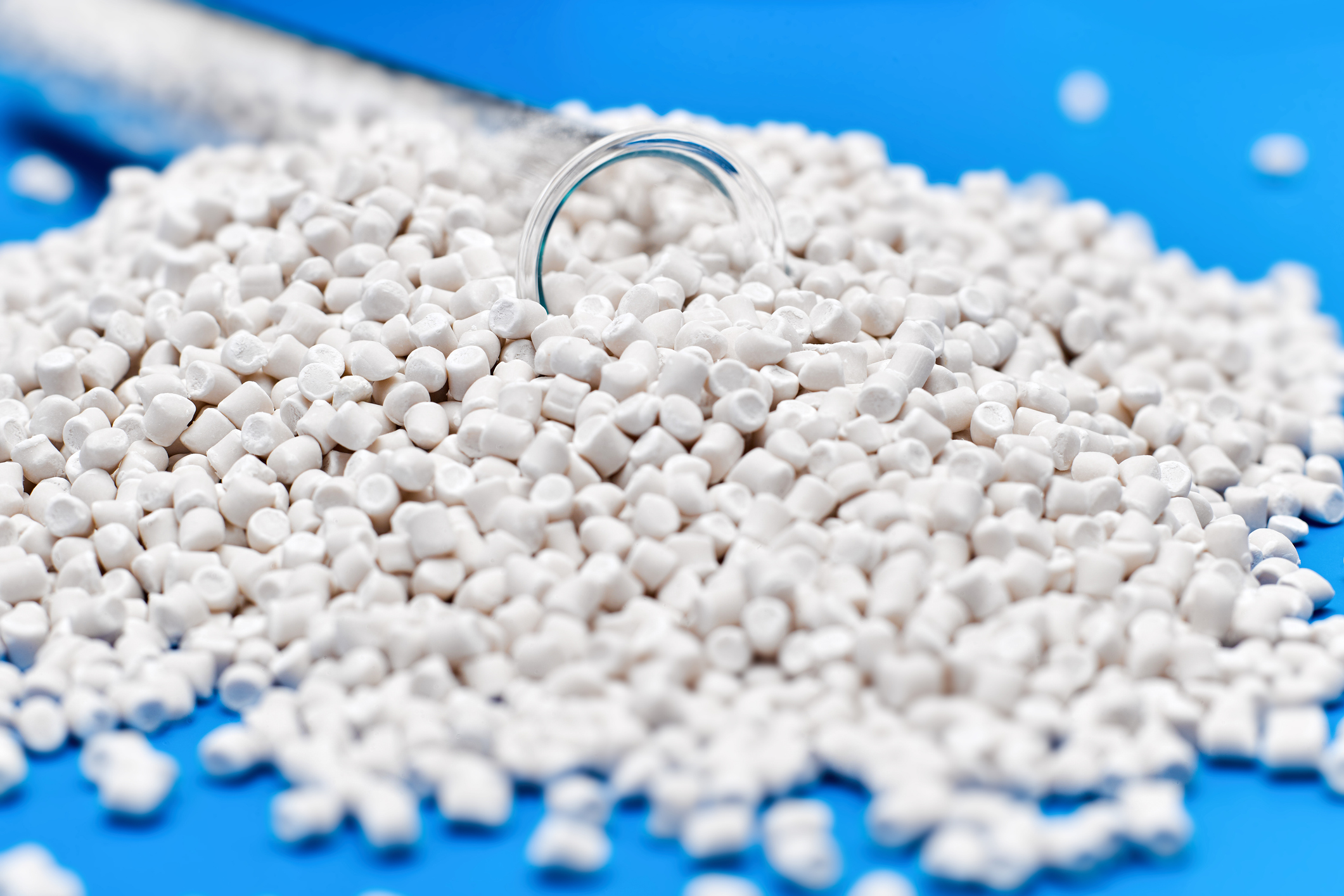
NOVA Chemicals Corp. has introduced two mechanically recycled polyethylene resins for non-food packaging uses across North America, expanding the company’s SYNDIGO recycled materials line as demand grows for higher post-consumer content in plastic products, company statements show.
The new grades, marketed as SYNDIGO rPE-IN3 and rPE-IN4, are produced from 100 percent post-consumer film at the firm’s SYNDIGO1 recycling plant in Connersville, Indiana, which began operations in 2025. The launch comes as brand owners and retailers face tighter recycled-content targets and extended producer responsibility programs in several U.S. states and Canadian provinces, prompting converters to seek reliable supplies of secondary resins. Analysts say the availability of consistent recycled film feedstock remains one of the main bottlenecks for flexible packaging circularity.
Company information indicates the materials are recycled linear low-density polyethylene designed for applications such as trash liners, shrink and overwrap films, carryout bags and industrial sacks. One grade is derived primarily from recovered stretch film, while the other uses mixed retail back-of-store films collected from distribution chains. NOVA Chemicals said customer trials over recent months supported the move to commercial-scale supply.
The SYNDIGO portfolio already includes recycled polyethylene resins for film uses as well as recycled HDPE suitable for both food and non-food packaging formats. The firm has signaled plans to introduce a fully recycled LLDPE suitable for food-contact applications later in 2026, subject to regulatory clearances and validation testing. Observers note that food-grade recycled PE remains a technically challenging segment because of contamination controls and traceability requirements.
Industry groups have long argued that scaling film-to-film recycling is critical to meeting corporate sustainability pledges, since flexible packaging accounts for a large share of plastic consumption but historically has low recovery rates. Data published by plastics trade organizations show mechanical recycling capacity for films has expanded in the Midwest and Southeast U.S. in recent years, driven by retailer collection programs and investments in sorting technology.
NOVA Chemicals expects the Connersville facility to exceed 100 million pounds of annual output once it reaches full operating rates in 2026, a scale that could help stabilize regional supply of recycled PE. Market observers say sustained demand will depend on price competitiveness with virgin resin and continued policy pressure encouraging recycled content adoption.
If the facility reaches its projected capacity and new grades gain converter acceptance, the expansion could strengthen supply chains for recycled flexible packaging materials across North America and accelerate the shift toward higher PCR usage in everyday plastic films.
Source: NOVA Chemicals
SUNSHINE Spotlight: NOVA Chemicals’ new recycled PE grades signal growing industrial momentum to turn post-consumer films into mainstream packaging feedstock.


