


Russia Expands Ferrous Scrap Export Quota for 2026


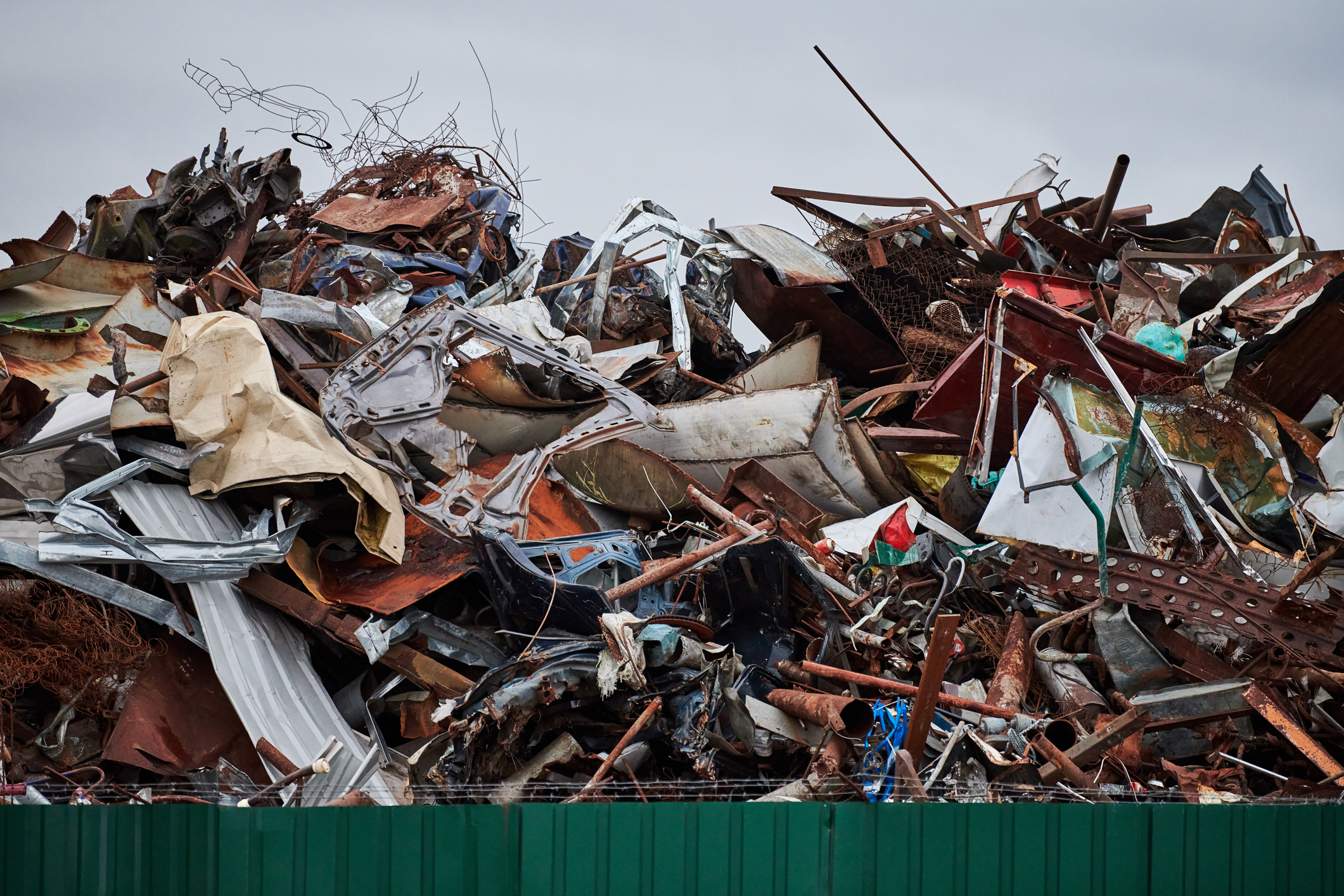
Russia has expanded its tariff quota for ferrous scrap and metal waste exports to countries outside the Eurasian Economic Union (EAEU) for 2026, a move aimed at easing domestic oversupply while maintaining strict regulatory control, according to official announcements released by the Russian government.
The revised quota has been in effect since January 1 and will remain valid through December 31, 2026. The adjustment matters for recyclers and traders as domestic demand has remained uneven, leaving additional scrap material in the local market and increasing inventory pressure in some regions.
Russia has long used export duties, bans, and quota mechanisms to manage scrap flows and protect domestic steel production. Over the past decade, these measures have been repeatedly tightened and relaxed in response to shifts in steel output, construction activity, and raw material balances. Observers note that weaker construction activity and slower growth in steelmaking during 2024–2025 left more scrap available in the domestic market, encouraging authorities to permit higher exports while keeping restrictions in place.
Under the government decree, the 2026 tariff quota has been set at 2.2 million metric tons, an increase from previous ceilings, and applies to ferrous scrap and metal waste classified under multiple HS 7204 codes. Exports shipped within the quota are subject to a five percent duty, with a minimum levy of €15 per metric ton. Shipments exceeding the quota face the same percentage rate but with a sharply higher minimum duty of €290 per ton, effectively discouraging exports beyond the approved volume.
The Ministry of Industry and Trade is overseeing quota distribution, using customs statistics compiled by the Federal Customs Service covering exports to non-EAEU destinations between January 1, 2024 and December 31, 2025. Allocation is being conducted in two stages during 2026, with most volumes assigned based on historical export performance, while a smaller share is reserved for qualified market participants that did not export ferrous scrap during the reference period.
Exports within the quota require one-time export licenses issued by the Ministry of Industry and Trade. The licenses must be valid either at the time of customs declaration or on the date of physical export, depending on the clearance procedure used.
Industry groups say the higher quota provides limited relief for recyclers coping with surplus material, while steel producers continue to benefit from measures that prioritize domestic supply. Observers note that the steep out-of-quota duty signals the government’s intent to prevent a sharp rise in exports even as it allows additional volumes to leave the country.
Analysts say scrap export volumes in 2026 will depend on domestic steel production trends and price signals from overseas buyers, particularly in traditional importing markets such as Turkey and parts of Asia, where demand remains sensitive to freight costs and steel margins.
Source: AISU
SUNSHINE Spotlight: Russia’s larger 2026 scrap export quota reflects a controlled easing of export restrictions while keeping firm safeguards on domestic metal supply.


