


PureCycle Secures €40 Million EU Grant for Polypropylene Recycling Project in Belgium


PureCycle Technologies has secured a €40 million grant from the European Climate, Infrastructure and Environment Executive Agency (CINEA) to support a polypropylene recycling project in Belgium, as Europe continues to expand advanced recycling capacity.
According to reports, the funding, awarded through the EU’s Innovation Fund, will support the company’s ASTRA PP project at the Port of Antwerp-Bruges. The initiative is among 54 projects selected under the bloc’s 2024 call for net-zero technologies, which together received €2.7 billion in funding.
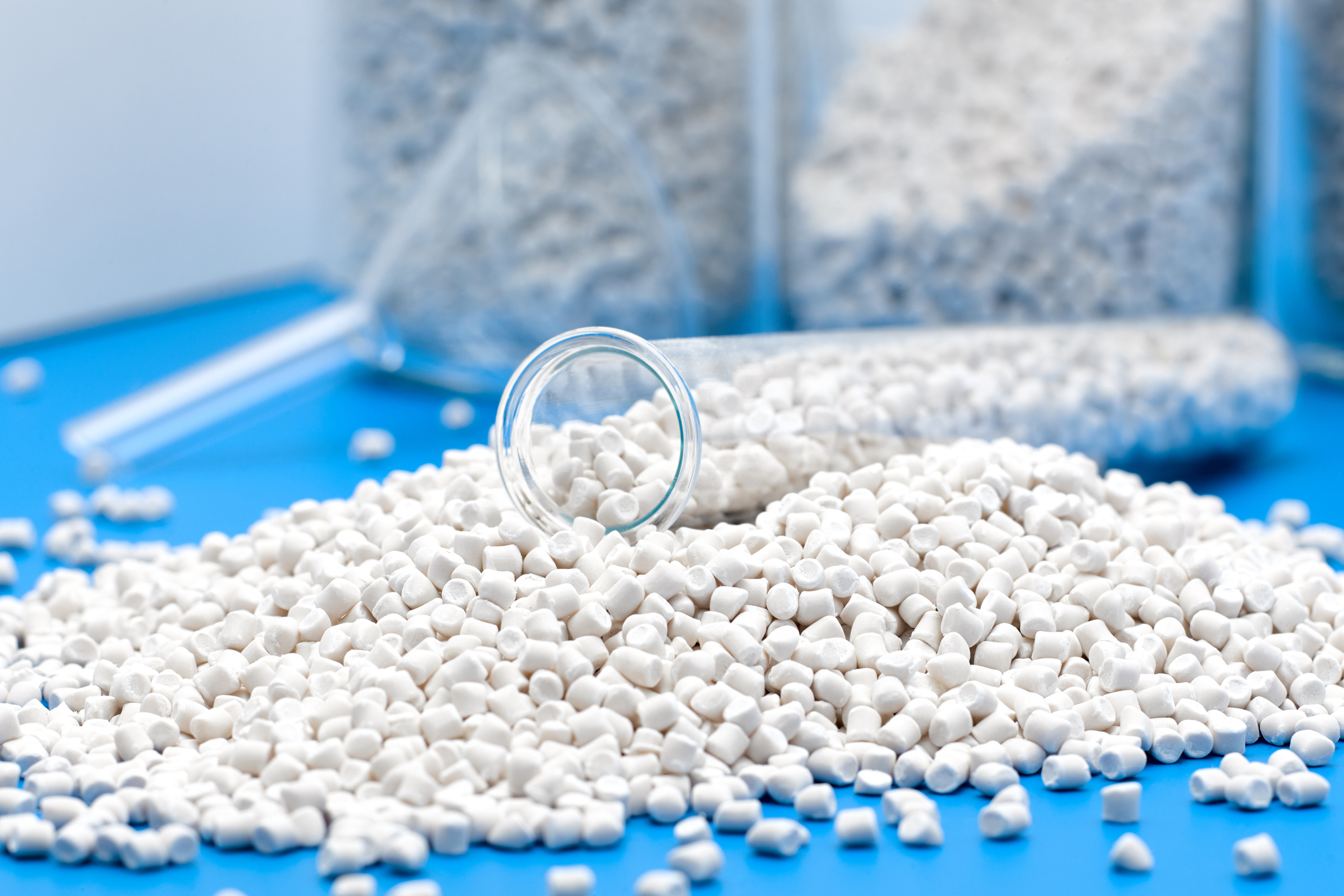
PureCycle plans to build a dissolution-based recycling facility with an annual capacity of about 59,000 tonnes of recycled polypropylene resin, marketed as PureFive®. The plant will process post-consumer plastic waste and convert it into material suitable for higher-performance applications.
The company’s process uses a solvent-based purification system to remove contaminants, odors and color from polypropylene waste. Compared with mechanical recycling, the approach is designed to produce a more consistent output that can be used in applications where material quality requirements are stricter.
Polypropylene remains one of the most widely used plastics globally but is less frequently recycled than materials such as PET. Projects like ASTRA PP are increasingly targeting this gap as demand grows for recycled content in packaging and industrial applications.
The project comes as European regulators tighten requirements around recycled materials. Policies linked to the EU Green Deal, including upcoming rules under the Packaging and Packaging Waste Regulation (PPWR), are expected to increase demand for high-quality recycled polymers.
Locating the facility in Antwerp also places production close to major petrochemical and manufacturing clusters. This could help PureCycle supply regional customers more directly while reducing reliance on imported or fossil-based feedstocks.
According to project estimates, the facility could achieve up to 85% lower greenhouse gas emissions compared with conventional polypropylene production, based on the Innovation Fund’s assessment framework.
PureCycle is also exploring additional support from regional authorities in Flanders, underlining the role of public funding in advancing large-scale recycling infrastructure. Further clarity on policy and market incentives is expected to influence how quickly similar projects are deployed across Europe.
Source: PureCycle
SUNSHINE Spotlight: EU funding support for PureCycle’s Antwerp project reflects growing alignment between policy and technology in scaling high-quality polypropylene recycling in Europe.


