


Plastic Ingenuity Adopts Recycled Polypropylene for Coffee Lids in PureCycle Partnership


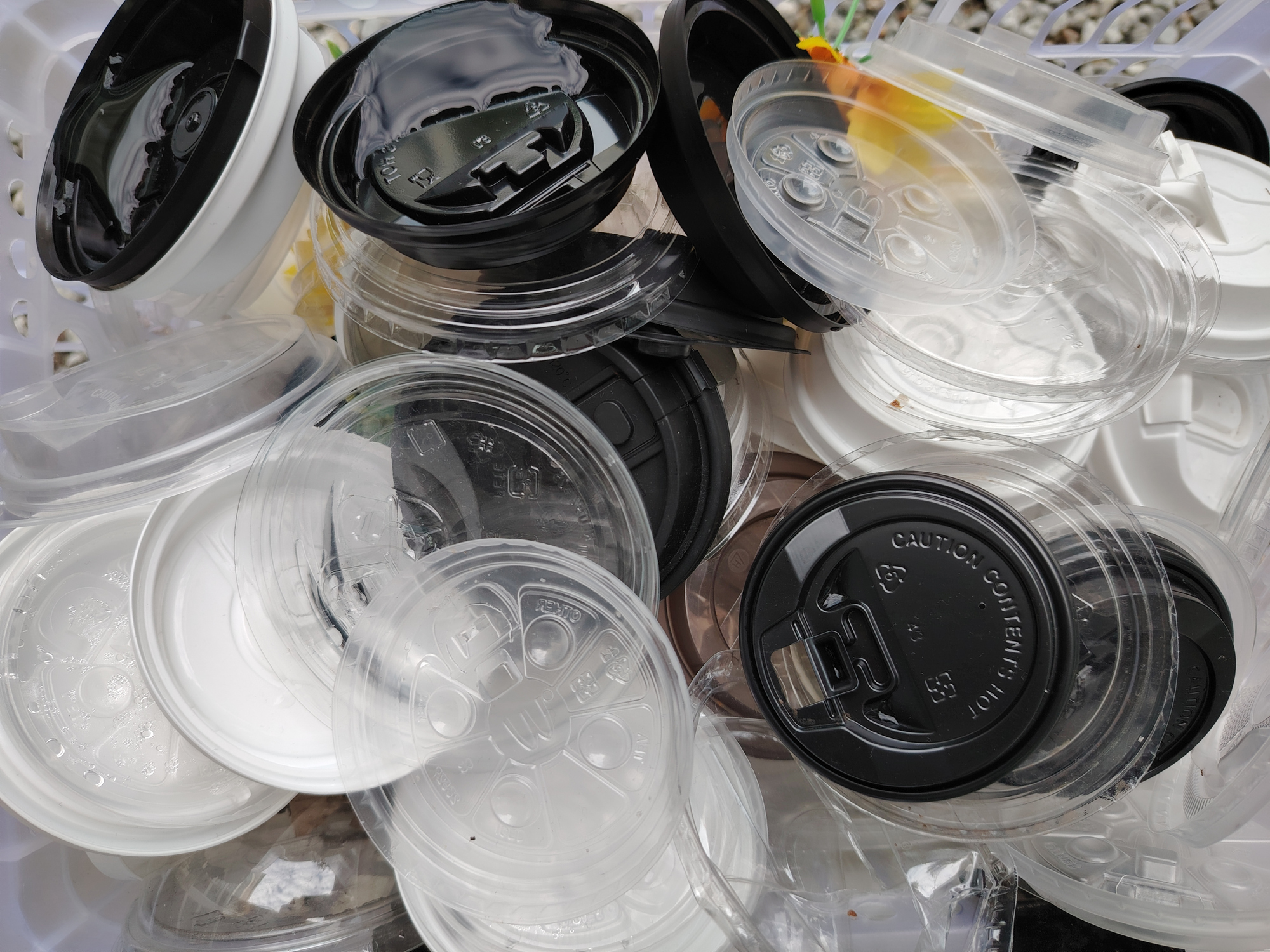
According to company reports, PureCycle Technologies has partnered with Plastic Ingenuity to introduce recycled polypropylene into coffee lid production, targeting higher recycled content in food-service packaging.
Under the collaboration, Plastic Ingenuity is using PureCycle’s PureFive® resin to produce coffee lids containing between 25% and 100% recycled material. The application focuses on high-volume, single-use items, where material substitution can have a measurable impact on plastic consumption.
Plastic Ingenuity supplies custom thermoformed packaging across food service, healthcare and retail sectors. The company said integrating recycled resin into coffee lids allows it to meet customer requirements for performance and consistency while increasing recycled content.
The PureFive® material is produced using a dissolution-based recycling process that removes contaminants such as colorants, odors and additives from post-consumer polypropylene. The resulting resin is designed to match the properties of virgin material and is approved for food-contact applications, addressing a key barrier for recycled plastics in packaging.
Zach Muscato, director of sustainability and innovation at Plastic Ingenuity, said the shift enables customers to incorporate recycled content without compromising product performance. Christian Bruey added that demand is increasing for recycled materials that meet both regulatory and functional requirements in food-grade applications.
The partnership reflects broader changes in the packaging sector, where brand owners and converters are under pressure to reduce reliance on virgin plastics while maintaining product standards. Advances in chemical and dissolution recycling technologies are expanding the range of applications where recycled polymers can be used, particularly in regulated segments such as food contact.
Source: PureCycle
SUNSHINE Spotlight: Food-service packaging is emerging as a key outlet for advanced recycled plastics, as new technologies enable food-grade applications with higher recycled content.


