


Coca-Cola Europacific Partners Launches Cross-Border PET Recycling Program


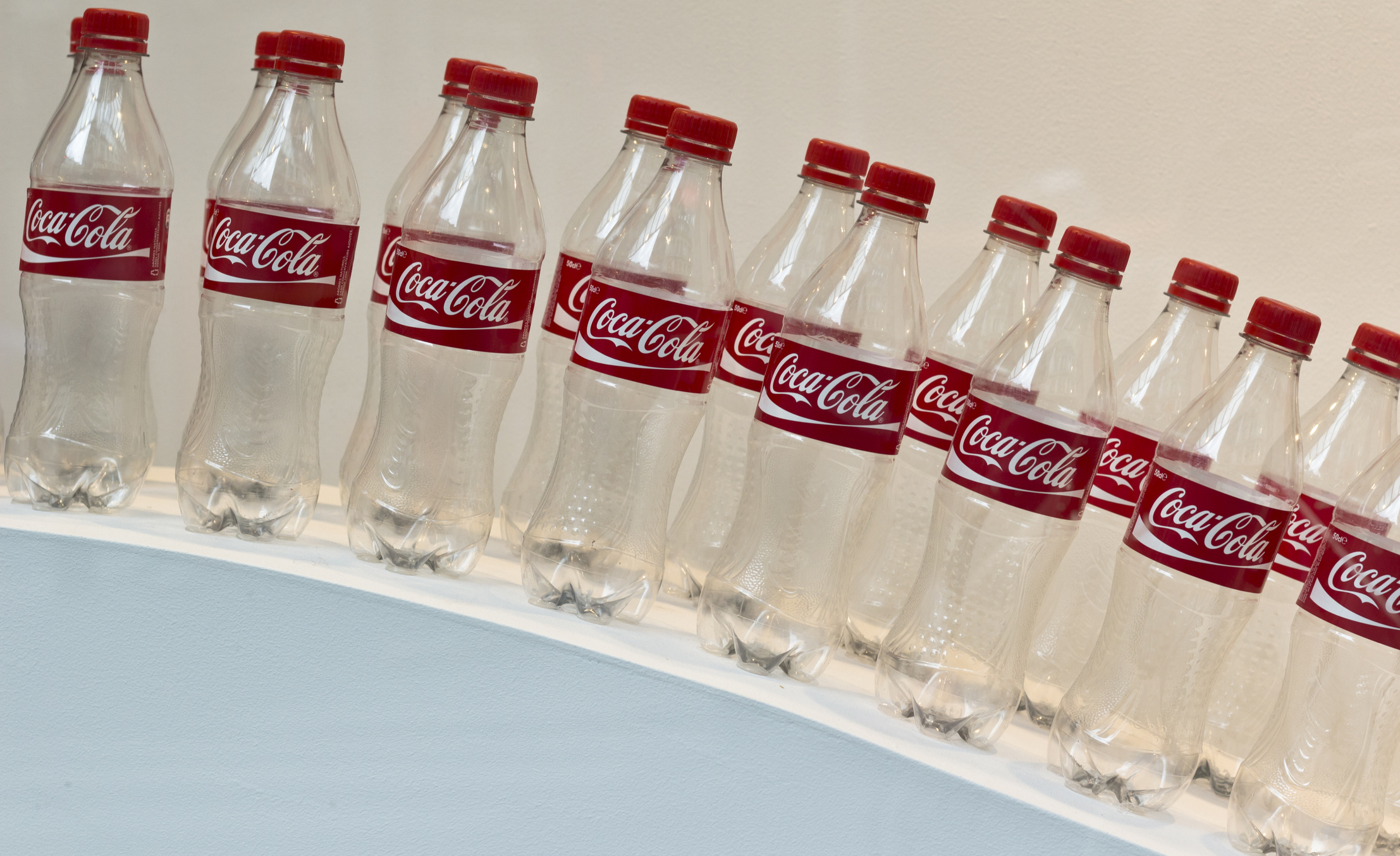
Coca-Cola Europacific Partners Australia has begun importing community-collected PET waste from Pacific Island nations for processing, marking the start of a regional circularity program developed with Circular Plastics Australia PET (CPA). According to reports, the first shipment, 9.4 tonnes of PET collected in Vanuatu, has arrived in Melbourne and is being processed at CPA’s recycling facility in Altona North.
CCEP operates across Europe, Asia-Pacific and Australia, with an established footprint in beverage manufacturing and packaging recovery systems. CPA, its recycling partner, is a joint venture between Pact Group, Cleanaway Waste Management, Asahi Beverages and CCEP, focused on scaling food-grade PET recycling capacity in Australia.
The initiative introduces a structured pathway for plastic collected in island communities to be processed into recycled PET (rPET) and reintroduced into beverage packaging. For Pacific nations where domestic recycling capacity is limited, the model effectively links collection systems to established processing infrastructure offshore.
CCEP said the program is designed to extend producer responsibility beyond national borders, while improving material recovery rates in regions where waste leakage into the environment remains high.
“Creating true circularity in the Pacific requires solutions that operate across borders,” said Orlando Rodriguez, Managing Director Australia at CCEP. “By moving community-collected PET into Australia’s established recycling system, we’re demonstrating that small island nations can fully participate in a modern circular economy, even when local recycling infrastructure is limited.”
Local collection systems have been developed with regional partners, with incentives aimed at supporting informal waste networks and reducing litter. Collected PET is pre-processed, flaked and densified, before being shipped to Australia, where it is recycled into food-grade resin.
Two additional shipments from Fiji and Papua New Guinea are scheduled in the coming weeks. The program is expected to import up to 2,000 tonnes of PET over the next 12 months, with capacity to scale to 6,000 tonnes annually.
Logistics and early-stage processing have been supported through targeted investments, including equipment installation in island communities and pro bono ocean freight services provided by Swire Shipping.
Justin Knott, General Manager Sales and Marketing at CPA, said the integration of Pacific-sourced material aligns with the facility’s design. “CPA’s plastic recycling facilities were established to process PET beverage bottles collected through Australia’s container deposit schemes and kerbside recycling bins.”
CPA’s facilities in New South Wales and Victoria each have the capacity to recycle the equivalent of one billion PET bottles per year, excluding caps and labels. The recycled resin is used by CCEP and Asahi Beverages in new bottles, and by Pact Group in food-grade packaging applications.
The program builds on Australia’s container deposit schemes, which have improved collection rates domestically, while addressing a gap in recycling infrastructure across Pacific markets.
Source: Coca-Cola Europacific Partners Australia
SUNSHINE Spotlight: Cross-border recycling models are emerging as a practical route to integrate infrastructure-limited regions into established circular supply chains.


