


Recyclus Joins UK-Backed ReCAM Consortium to Develop Direct Battery Recycling Pathway for Cathode Materials


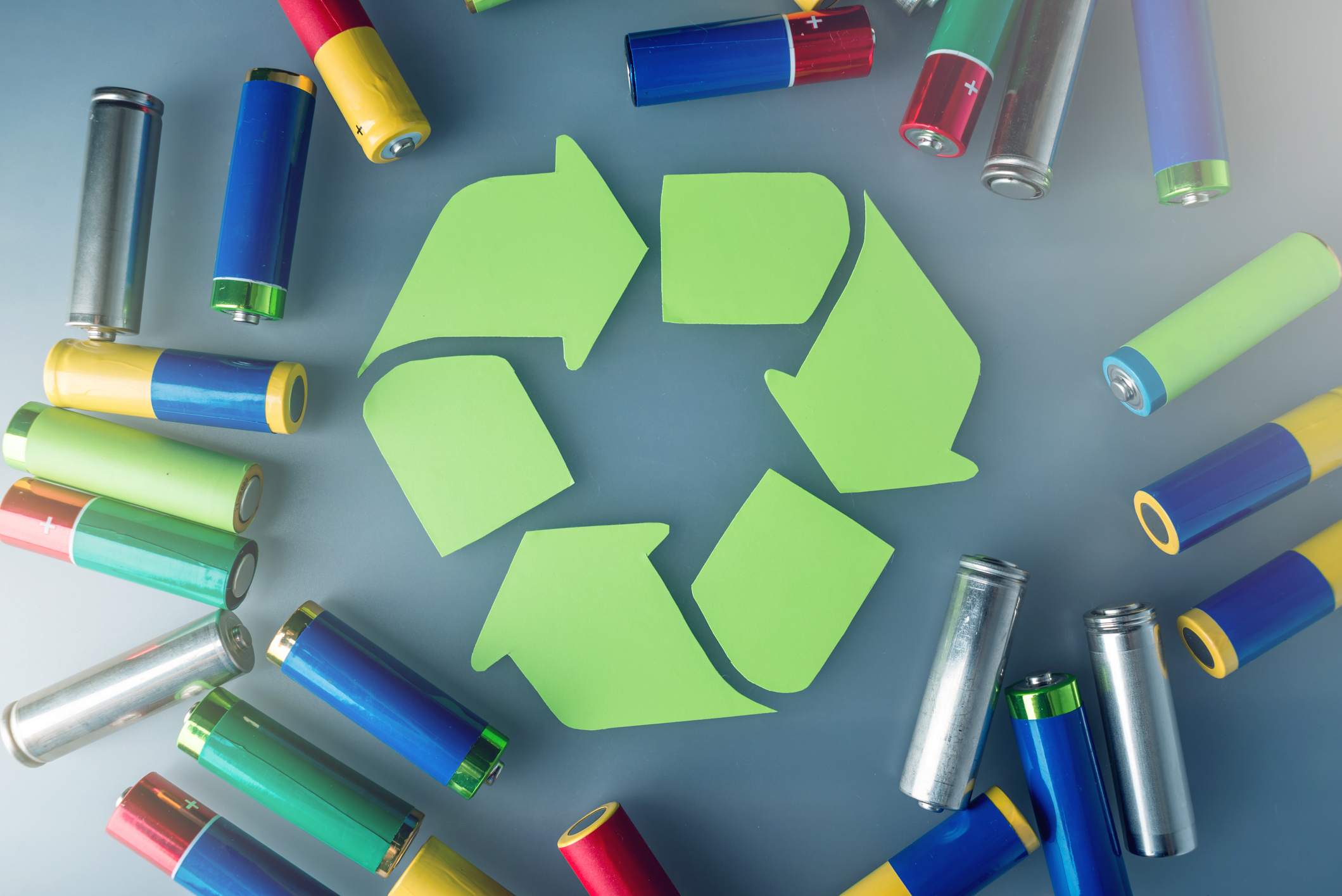
Recyclus Group has joined the Innovate UK-funded ReCAM consortium, a project focused on developing new methods to convert lithium-ion battery waste into reusable cathode materials, as the UK prepares for rising volumes of end-of-life EV batteries.
According to company reports, the consortium, supported by more than £3 million in public funding, brings together industrial and research partners aiming to scale next-generation recycling technologies within the UK. Recyclus has secured around £400,000 in grant funding as part of its participation.
The initiative targets “black mass”, the concentrated powder produced after spent lithium-ion batteries are shredded and pre-processed. This material contains lithium, nickel, cobalt and manganese, but is typically exported for further refining.
ReCAM proposes a shift away from conventional multi-stage metal recovery routes. Instead, the project is developing a shorter process that converts black mass directly into cathode active materials (CAM), the key input used in new battery production.
The consortium argues the approach could reduce processing complexity, lower emissions associated with downstream refining, and keep higher-value materials within the domestic supply chain.
Recyclus operates one of the UK’s industrial-scale lithium-ion battery recycling facilities and is expected to support process validation and material handling at scale. The company will also contribute operational data from black mass production to help refine conversion efficiency and throughput.
The project partners include Watercycle Technologies, which is leading development of the direct conversion and lithium recovery process, Polaron, which is applying artificial intelligence tools to material performance optimisation, and the UK Battery Industrialisation Centre, which will support cell manufacturing and performance testing of recycled materials.
The UK is expected to face a sharp increase in lithium-ion battery waste as early-generation electric vehicles reach end-of-life. Industry estimates cited in the project materials suggest that, without domestic processing capacity, significant volumes of black mass could be exported for overseas refining by 2040, raising concerns over supply chain dependence for critical minerals.
Robin Brundle, executive chairman and co-founder of Recyclus Group, said the project strengthens domestic capability in battery materials recovery. “This is a British-centric programme built around UK resilience, and that is something we are extremely proud of,” he said.
The consortium’s objective is to demonstrate whether a modular, site-level conversion system can be deployed alongside existing recycling infrastructure, enabling higher-value recovery of materials within the UK rather than relying on external refining routes.
The development comes as policymakers and industry groups push to secure more of the battery value chain domestically, particularly in refining and precursor material production, where Europe remains dependent on imports.
If scaled, ReCAM could reshape how battery waste is processed in the UK, moving from export-led recovery models toward integrated domestic material regeneration.
Source: Recyclus Group
SUNSHINE Spotlight: UK-funded ReCAM project is testing whether black mass can be directly converted into cathode materials, reducing reliance on overseas battery recycling routes.


