


Europe’s E-Waste Pile Deepens as NGOs Demand Stronger Producer Responsibility


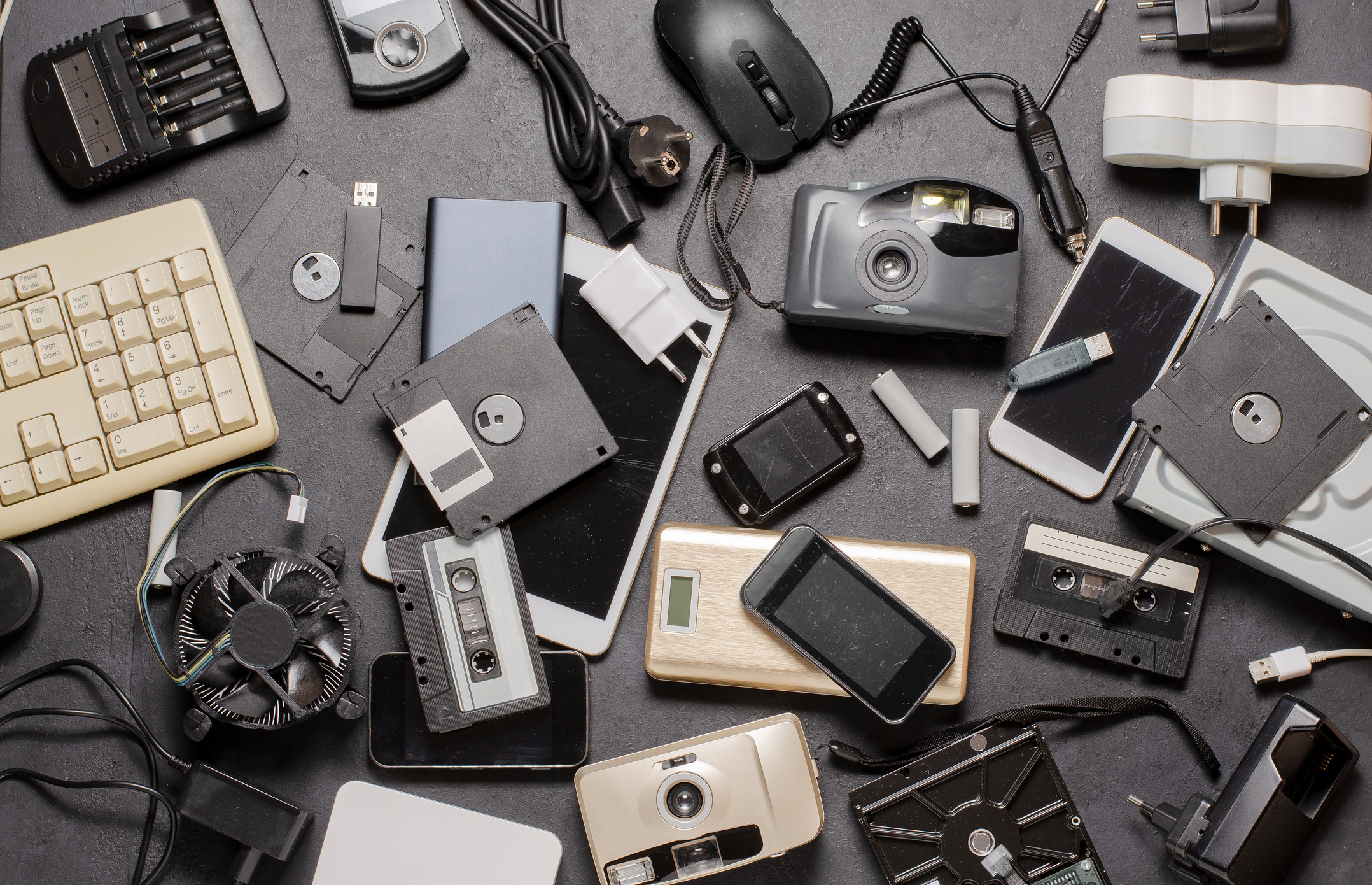
According to newly released data from Eurostat, Europe faces a worsening electronic waste crisis as consumption of electrical and electronic goods continues to climb while recycling rates stagnate. Environmental groups including the European Environmental Bureau (EEB), the Environmental Coalition on Standards (ECOS), and Deutsche Umwelthilfe (DUH) are urging the European Commission to strengthen the Waste Electrical and Electronic Equipment (WEEE) Directive in its upcoming revision.
As reported by Eurostat, over 14.4 million tonnes of electronic and electrical products were placed on the EU market in 2023—an increase of almost 90% since 2012. Meanwhile, only 5.2 million tonnes of e-waste were officially collected, representing a modest 4.4% increase from the previous year. It is understood that this widening gap reflects not only the rapid replacement cycles of consumer devices but also weaknesses in current waste collection systems across Member States.
According to the data, the Netherlands, Germany, Austria, France, and Italy were among the highest per-capita consumers of electronics, ranging between 33.3 and 45.4 kilograms per person. However, collection results remain worryingly low. In Germany, for example, only 29.5% of e-waste is properly collected and reported, while Cyprus, Malta, Portugal, the Netherlands, and Hungary recorded the lowest collection rates in the EU.
EEB warns that rising electronics use is depleting finite resources such as lithium, palladium, and copper, increasing energy demand and environmental risks linked to mining and disposal, and adding that frequent illegal exports of e-waste further undermine official recycling systems.
Environmental NGOs argue that effective reform depends on reinforcing Extended Producer Responsibility (EPR). They are calling for harmonized EU-wide rules to make manufacturers accountable for products throughout their entire life cycle. Proposed measures include eco-modulated fees rewarding sustainable design, mandatory participation in collective Producer Responsibility Organizations (PROs), and producer-funded repair and reuse programs. The NGOs also recommend separate targets for reuse and higher recycling quality standards to close material loops.
EEB notes that Europe’s e-waste dilemma highlights a growing imbalance between rapid technological innovation and sustainable consumption. Although digitalization drives economic growth, Europeans replace devices such as smartphones roughly every three years. Despite progress under the WEEE framework, the EU’s overall e-waste collection rate remains around 37.5%, far below its recovery potential.
According to experts, the issue extends beyond environmental concerns. It also affects resource security and industrial competitiveness, as Europe relies heavily on imported critical raw materials. A robust EPR framework, aligned with the EU Critical Raw Materials Act, could help reclaim valuable metals domestically, strengthen supply-chain resilience, and create new employment opportunities in the circular economy.
Without decisive reform, it is understood that Europe risks losing both environmental and economic ground—continuing to generate waste at unsustainable levels while missing opportunities for material recovery and innovation leadership.
Europe now stands at a pivotal juncture. According to NGO representatives, the upcoming revision of the WEEE Directive offers a rare chance to transform a mounting waste burden into a driver of circular growth. Whether policymakers seize that opportunity will determine how responsibly the continent manages its electronic future.
Source: European Environmental Bureau
SUNSHINE Spotlight: Europe’s e-waste challenge can still become a circular-economy opportunity—if accountability and prevention take priority over disposal.


