


BIR Members Call for Recycled Plastics and Rubber to Be Recognized as Strategic Raw Materials


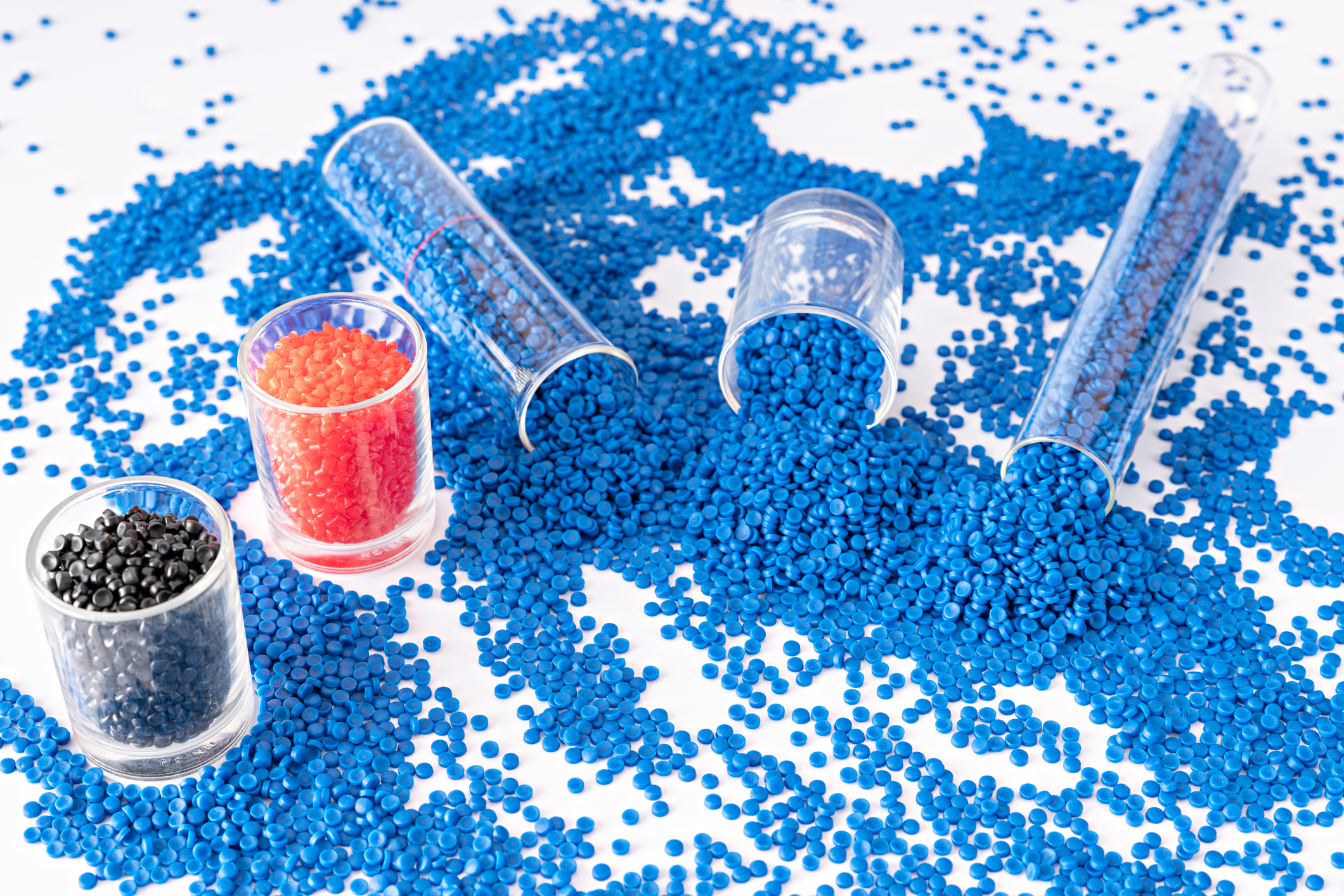
Delegates at the first joint meeting of the Plastics Division and Tyres & Rubber Committee of the Bureau of International Recycling (BIR) urged policymakers and industry stakeholders to recognize recycled plastics and rubber as strategic raw materials, arguing that stable demand and supportive regulation are essential to maintaining recycling capacity and strengthening supply-chain resilience. The discussion took place during the organization’s 2026 World Recycling Convention in Gothenburg on June 3.
Speaking at the event, Henk Alssema, Managing Director of Netherlands-based Inviplast BV, said recycled plastics should be viewed as a long-term industrial resource rather than a temporary alternative when virgin material prices rise.
The call comes as recycling markets have shown signs of recovery after several difficult years marked by low virgin polymer prices, weak demand for recyclate, and a series of recycling plant closures. According to industry participants, the recent increase in virgin material prices, driven in part by geopolitical tensions in the Middle East, has improved demand for recycled plastics and rubber.
Alssema warned that the sector remains vulnerable if buyers return to virgin materials once market conditions stabilize. He argued that recyclers require consistent demand and long-term purchasing commitments to justify investments in processing capacity, quality systems, traceability, and technological upgrades.
“Use it or lose it,” he told delegates, adding that recycling businesses cannot continue expanding capacity if demand remains tied primarily to fluctuations in oil prices. He also stressed the importance of policy measures that provide greater certainty for investment and market development.
A similar view was expressed by Max Craipeau of Hong Kong-based Greencore Resources. He said recycled rubber markets have experienced a comparable recovery and face many of the same structural challenges as plastics recycling.
Craipeau noted that disruptions affecting global oil supply have improved the competitiveness of secondary raw materials. Drawing on his experience operating a PET recycling facility in Indonesia, he said reduced oil flows through the Strait of Hormuz had tightened virgin material supply, contributing to a 15-20% increase in recyclate prices and restoring more sustainable operating conditions for recyclers.
While current demand conditions are favourable, he cautioned that brand owners have historically reverted to lower-cost virgin materials once supply pressures ease. He pointed to the COVID-19 period, when concerns about supply security initially boosted interest in recycled content before momentum faded in subsequent years.
Industry representatives argued that minimum recycled-content requirements could help create more stable demand. Craipeau said such mandates are necessary to ensure recyclers can continue investing and expanding capacity regardless of commodity market cycles.
The discussion also highlighted the growing role of public policy in shaping recycled material markets. Sally Houghton said California's recycled-content requirements for beverage containers have helped support demand for recycled PET. Under state regulations, plastic bottles must contain 50% recycled content by 2030.
However, she noted that similar requirements do not currently apply to broader packaging categories, allowing some manufacturers to switch back to virgin materials when costs are lower. California's recently adopted extended producer responsibility (EPR) framework is expected to increase pressure on producers by introducing recyclability, design-for-recycling, and recycling-rate requirements.
As regulatory measures expand, industry participants expect greater interest in closed-loop recycling systems. Guest speaker Kristin Nilsson outlined efforts by Swedish recycling company Reelab and grocery distributor Dagab to develop a food-grade bottle-to-bottle recycling solution. She said the project demonstrates the technical feasibility of creating higher-value circular material streams, although commercial implementation will require extensive testing and regulatory approvals.
The need for greater collaboration across the value chain was a recurring theme throughout the session. Kay Riksfjord of Norwegian recycler Revac AS argued that recyclers are rarely consulted during product design despite their direct experience with end-of-life material management.
Participants broadly agreed that improving circularity will require stronger links between product designers, manufacturers, recyclers, and policymakers. Several speakers stressed that future products should be designed with recyclability and end-of-life recovery in mind from the outset.
Source: BIR
SUNSHINE Spotlight: Industry leaders at BIR Gothenburg 2026 called for recycled plastics and rubber to be treated as strategic raw materials, warning that long-term demand and supportive policies are needed to sustain recycling capacity and supply-chain resilience.


