


Australia’s Recycling Council Urges Swift Packaging Reform as Plastic Sector Faces Strain


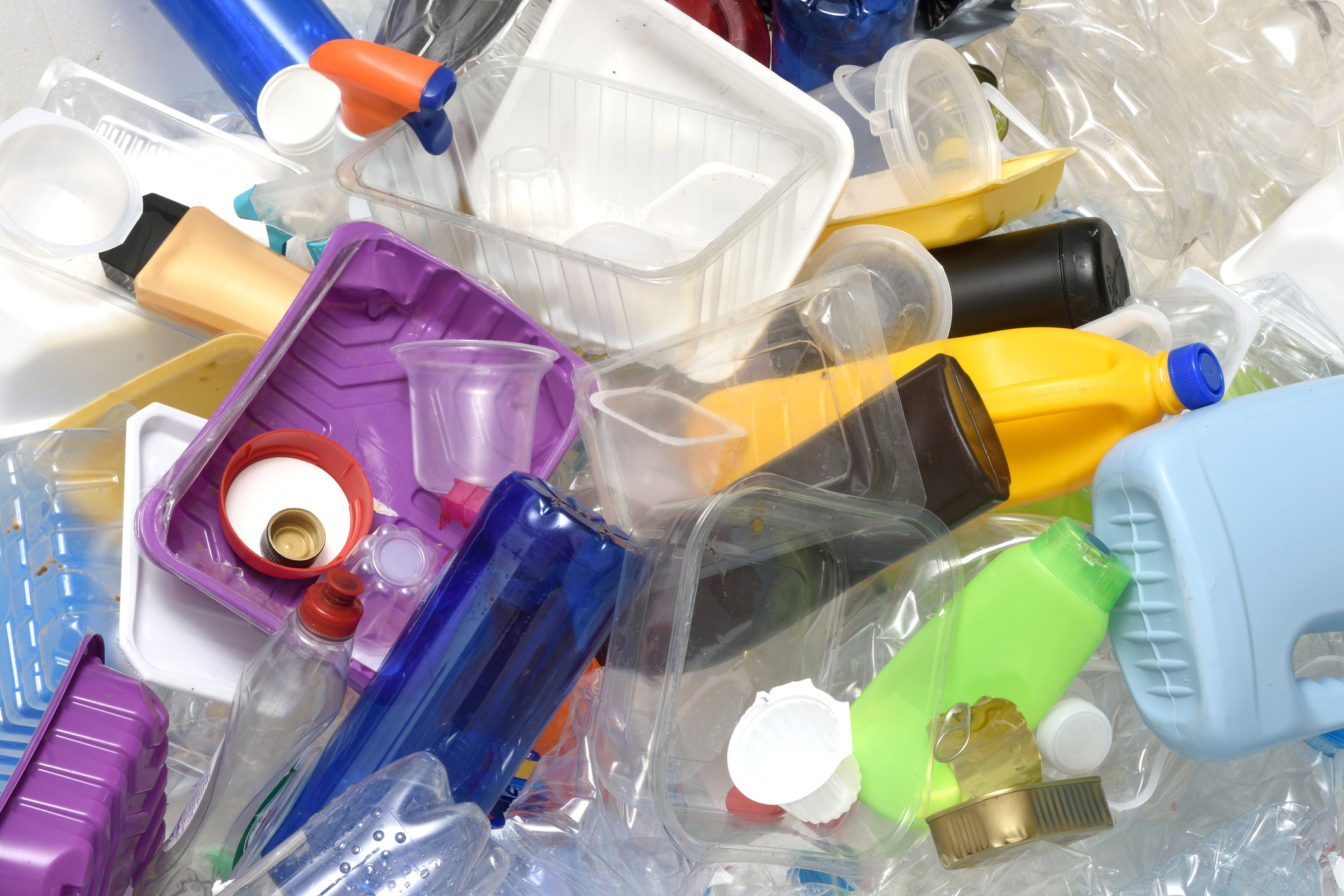
Australia’s peak recycling body has warned that delays in national packaging reform could undermine the country’s plastic recycling industry, leaving more waste buried or leaked into the environment, according to reporting from the Australian Council of Recycling (ACOR).
Australia consumes more than 1.3 million tonnes of plastic packaging each year, most of it imported, yet the majority is not recycled. Industry data show that more than one million tonnes still end up in landfill or as litter annually, despite years of public investment in domestic recycling infrastructure. Observers note that this gap between processing capacity and market demand has become the central weakness in Australia’s recycling system.
ACOR says local recyclers can handle significantly more material, but weak demand for packaging made with recycled plastic has pushed some facilities to the brink. Analysts say the problem reflects broader global trends, where low-cost virgin plastics and imported products continue to outcompete recycled alternatives, suppressing prices and investment confidence.
An economic assessment prepared by Rennie Advisory for ACOR and the Australian Packaging Covenant Organisation (APCO) argues that regulatory intervention could reverse the slide. The study, published in the report Securing Australia’s Plastic Recycling Future, models the impact of mandatory design standards requiring packaging to be recyclable, reusable, and made with recycled content. It also evaluates a fee-based Extended Producer Responsibility system that would shift end-of-life responsibility to brand owners.
The analysis estimates that such a scheme would raise product costs by about 0.1 percent, a level industry groups describe as marginal. ACOR argues that the approach would reward companies that have already invested in sustainable packaging while forcing slower adopters to meet the same baseline standards.
If enacted during the current federal term, the reforms could materially change the sector over the next five years. The report projects a reduction of roughly 370,000 tonnes of plastic waste leaking into the environment each year, alongside an additional A$2.5 billion in gross value added to the economy. It also forecasts A$220 million in new private investment, close to 20,000 jobs, and annual emissions cuts of about 700,000 tonnes of CO₂ from plastics.
The push comes after Australia’s government agreed in 2023 to develop National Packaging Laws, citing persistently low recycling rates and the need to move away from a linear “take, make, waste” model. At present, only about eight percent of plastic packaging sold in Australia contains recycled material, even as imports of fossil fuel–based plastics continue to rise.
Without new rules, the outlook darkens. The report warns that utilisation rates at existing recycling plants could fall to around 32 percent within five years, triggering closures and job losses. Longer term, the cumulative environmental cost of unmanaged plastic waste is projected to exceed A$32 billion by 2050, while reliance on imported virgin plastics deepens.
ACOR argues that any effective reform must explicitly prioritise Australian-made recycled plastics to avoid undercutting local producers. The council points to Europe’s recent experience, where cheap imports and weak demand left recycling capacity idle. “Without strong domestic markets, investment stalls and facilities shut,” ACOR chief executive Suzanne Toumbourou said, warning Australia faces a similar risk.
APCO chief executive Chris Foley said stable, nationally consistent rules are critical to meeting Australia’s sustainable packaging targets. He noted that many major brands have already spent years redesigning packaging and increasing recycled content, but those efforts will not scale without clear market signals. Industry groups broadly agree that regulation, rather than voluntary commitments alone, is now needed to unlock demand and restore confidence.
Analysts say the next 12 to 18 months will be decisive. With infrastructure largely in place, policy settings will determine whether Australia builds a self-reliant circular plastics economy or continues exporting value while importing waste-intensive materials.
Source: ACOR
SUNSHINE Spotlight: Australia’s recycling industry says swift national packaging rules could turn idle plastic recycling capacity into economic and environmental gains, while further delay risks higher waste and lost investment.


