


Aurubis Opens Advanced Recycling Plant in Hamburg to Expand Critical Metals Recovery


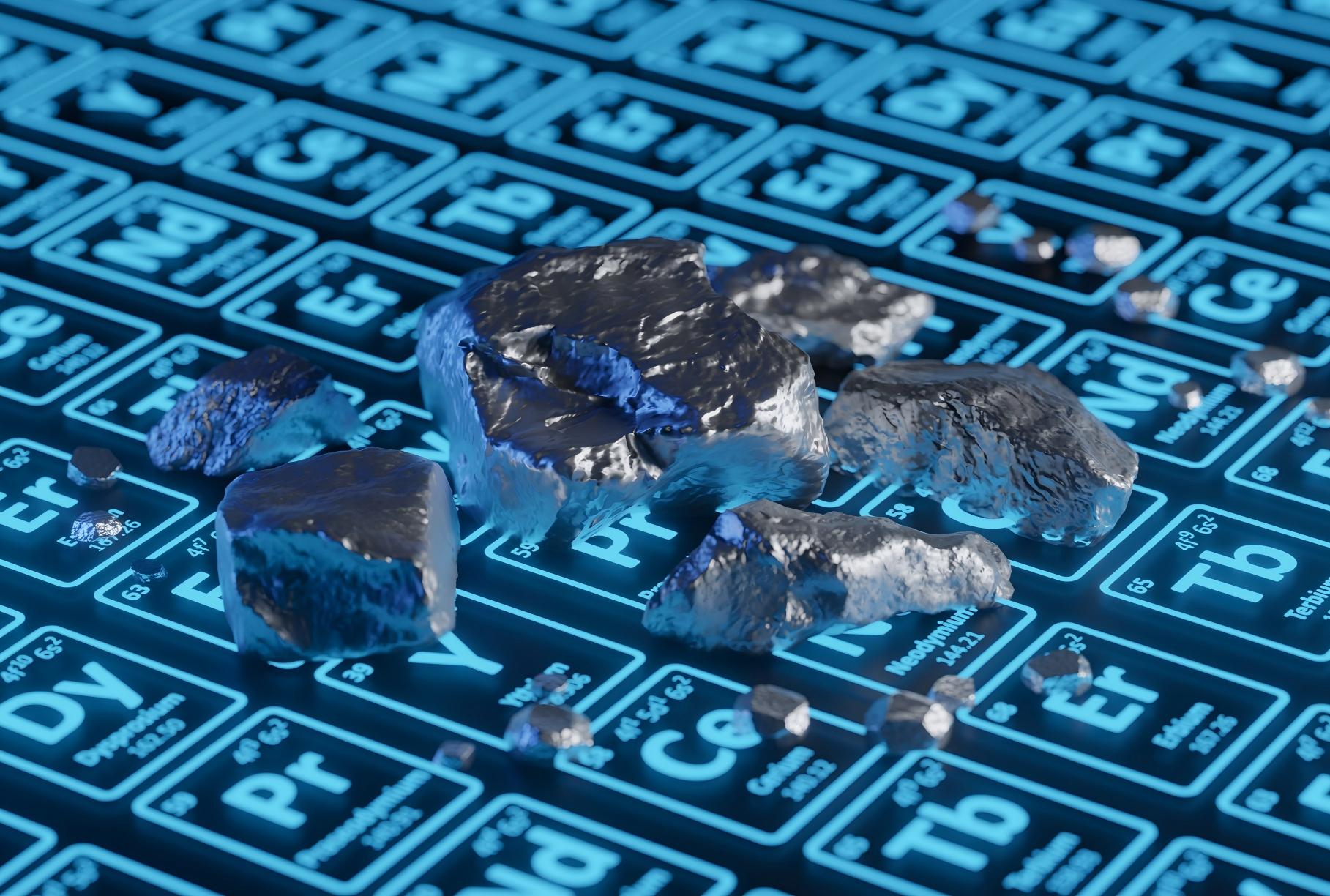
According to the company report, Aurubis AG has inaugurated a new €190 million recycling facility at its Hamburg smelter, expanding its capacity to recover critical metals from complex secondary raw materials and strengthening Europe’s domestic supply of strategic resources.
Named Complex Recycling Hamburg (CRH), the facility combines multiple smelting capabilities into a single processing unit. According to Aurubis, it is the first plant of its kind to process copper-, lead- and sulfur-containing recycling materials and smelter intermediates within one integrated operation, enabling more efficient recovery of valuable metals.
The project was officially opened by Aurubis Chief Operating Officer Tim Kurth alongside Stefan Rouenhoff, Parliamentary State Secretary at Germany’s Federal Ministry for Economic Affairs and Energy, and Dr. Christopher Schwieger, State Councilor of the Hamburg Authority for Economic Affairs, Labour and Innovation. Construction took approximately two and a half years.
The new plant will enable Aurubis to process more than 30,000 tonnes of additional complex recycling materials each year, while increasing its capacity to treat high-value smelter intermediates. The facility is designed to recover copper, lead and precious metals, while also producing sulfuric acid, an important industrial chemical used in sectors including fertilizers, mining and chemicals.
As one of the world’s largest copper recyclers, Aurubis said the investment supports its “Aurubis Performance 2030: Forging Resilience. Leading in Multimetal” strategy by increasing operational flexibility and allowing more valuable secondary materials to be processed within its existing smelter network.
At the center of the facility is a newly engineered converter capable of processing approximately 45-tonne batches at temperatures of up to 1,400°C. The company said the plant incorporates a high level of automation to improve operational efficiency and workplace safety.
Environmental performance was also a major focus of the project. Around one-third of the total investment was allocated to air pollution control systems, reflecting Aurubis’ efforts to reduce emissions while expanding recycling capacity.
Tim Kurth, Chief Operating Officer for Custom Smelting & Products, said growing demand for critical raw materials requires greater access to recyclable feedstock and continued innovation in complex material processing. He added that the new facility strengthens the company’s multimetal recycling capabilities while supporting sustainable industrial production in Germany.
The project also aligns with the European Union’s strategy to improve the security of critical raw material supply chains. CRH received financial support from the European Union and contributes to the objectives of the Critical Raw Materials Act, which seeks to increase domestic processing and recycling of strategic materials.
Project financing included the European Investment Bank’s (EIB) first investment loan issued under its raw materials strategy. EIB Vice President Nicola Beer said expanding Europe’s recycling capacity for critical raw materials such as copper is essential for strengthening industrial resilience, sustainability and long-term competitiveness.
German government representatives also highlighted the project’s contribution to domestic manufacturing and regional economic development, noting that expanding advanced recycling infrastructure can help secure industrial value chains and skilled employment while reducing reliance on imported raw materials.
Source: Aurubis
SUNSHINE Spotlight: Aurubis’ new Hamburg recycling facility expands Europe’s capacity to recover critical metals from complex secondary materials, supporting regional supply security and advancing the EU's strategy to strengthen domestic raw material value chains.


