


Amazon Partners with IIT Roorkee to Develop Packaging from Agricultural Residues


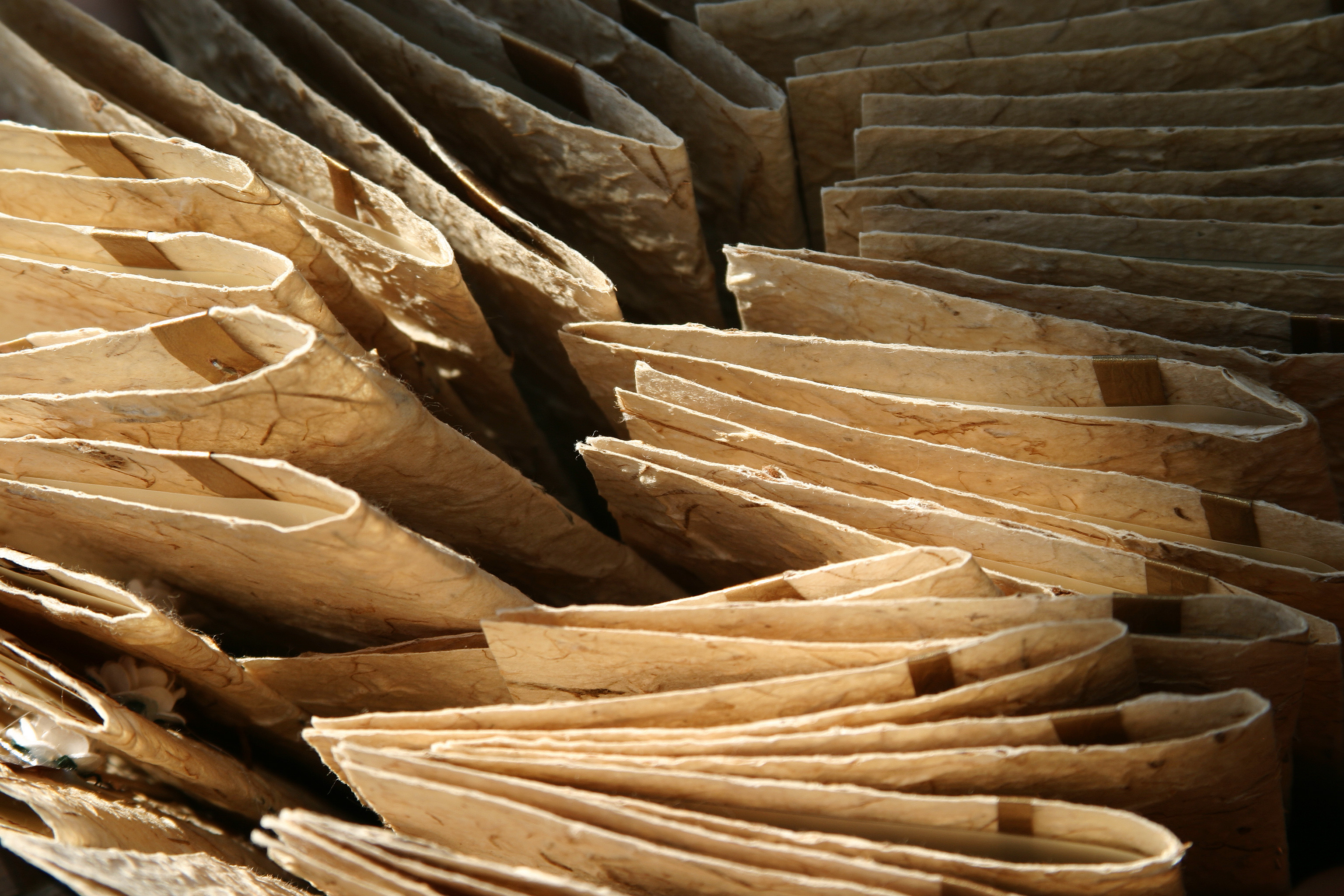
Amazon has entered a research partnership with the Indian Institute of Technology Roorkee to convert crop waste into recyclable packaging, a move that could reduce pressure on virgin wood pulp supplies and address India’s growing agricultural residue challenge, according to company and university statements.
India produces an estimated 500 million tonnes of agricultural waste each year, much of which is burned in fields after harvest, contributing to severe seasonal air pollution. Analysts say the initiative reflects a broader push by global retailers to localize sustainable packaging solutions while aligning with India’s circular economy and waste-reduction goals.
The project builds on years of research in alternative fiber sources as India’s paper and packaging sector grapples with rising pulp prices and heavy reliance on imports. Industry data show India imports a significant share of its virgin wood pulp, exposing manufacturers to currency volatility and global supply constraints. Previous government-led efforts to curb stubble burning through regulation and incentives have had limited success, prompting interest in market-driven uses for crop residues.
Under the collaboration, researchers at IIT Roorkee’s Department of Paper and Packaging Technology are developing paper mailers made from wheat straw and sugarcane residue, also known as bagasse. The work is being conducted at the university’s INNOPAP laboratory, where agricultural residues are processed into pulp using controlled digestion, followed by cleaning, screening, and paper formation to meet performance standards required for e-commerce shipping.
The 15-month program will focus initially on lab-scale development and testing. If the materials meet durability and recyclability benchmarks, Amazon has indicated it will support industrial trials, process validation, and a pathway toward commercial production as early as mid to late next year. Observers note that scaling such solutions has historically been a challenge, particularly in ensuring consistent fiber quality across different crop seasons and regions.
University officials argue the project could deliver multiple benefits beyond packaging. By creating demand for agricultural residues, the initiative may provide farmers with an additional income stream while discouraging open-field burning. Reduced dependence on virgin pulp could also lower the environmental footprint associated with forestry and long-distance raw material transport.
Amazon executives say the collaboration fits within the company’s broader sustainability strategy in India, where rapid growth in e-commerce has increased scrutiny of packaging waste. Industry groups have long pressed large retailers to move faster on recyclable and compostable materials, especially in emerging markets where waste collection and recycling infrastructure remains uneven.
Analysts say the success of the project will hinge on cost competitiveness and supply-chain integration. If crop-based packaging can be produced at scale without significant cost premiums, it could accelerate adoption across India’s logistics and retail sectors and potentially serve as a model for similar markets facing agricultural waste and pollution challenges.
Source: Amazon News
SUNSHINE Spotlight: By turning crop residues into packaging, Amazon and IIT Roorkee are testing whether farm waste can become a scalable solution to both pollution and packaging sustainability in India.


