


U.S. Aluminum Company Signs Deal to Anchor Fabrication Plant at Planned Oklahoma Smelter


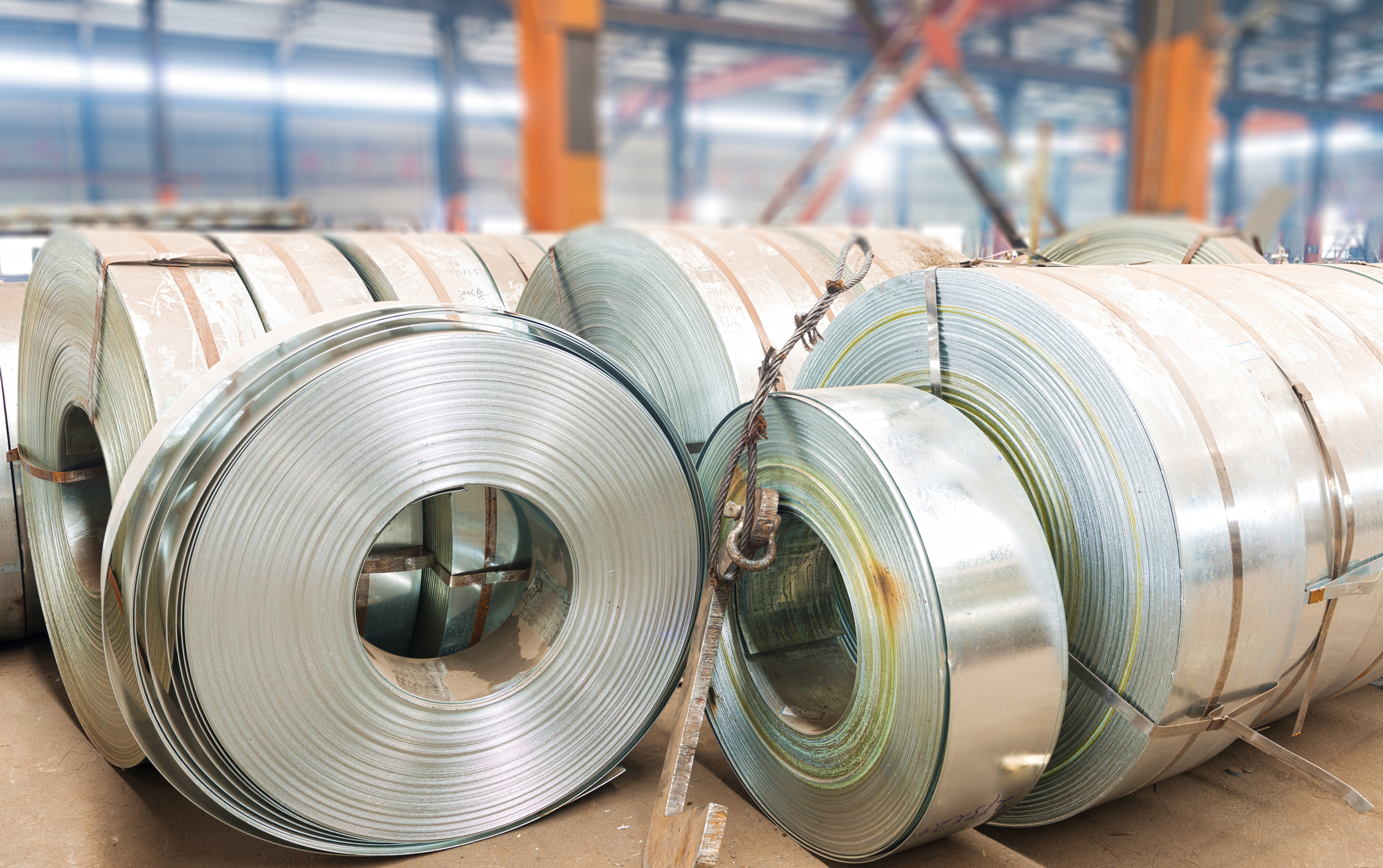
An Oklahoma-based metals manufacturer has reached a preliminary agreement with Emirates Global Aluminium and Century Aluminum to assess construction of a fabrication facility adjacent to a proposed primary aluminum smelter in Inola, a move developers say could accelerate the formation of a domestic aluminum manufacturing cluster. The announcement was released by the companies as part of ongoing development plans for the Oklahoma Primary Aluminum project.
The proposed smelter, to be located in Inola, is designed to significantly expand U.S. primary aluminum output at a time when domestic production remains well below historical levels. Data from the U.S. Geological Survey show that American primary aluminum capacity has declined sharply over the past two decades, leaving the country reliant on imports for the majority of its supply. Industry analysts say rebuilding upstream capacity is increasingly viewed as strategically important for sectors including defense, grid infrastructure and transportation.
Under the exploratory agreement, U.S. Aluminum Company would study development of a plant to process molten aluminum from the new smelter into value-added products for electrical transmission, aerospace components, defense applications, automotive parts and industrial machinery. The firm is affiliated with the Plotkin family of Oklahoma City, owners of M-D Building Products, a long-established manufacturer in the hardware and building materials market.
The Oklahoma Primary Aluminum project is being developed as a joint venture, with Emirates Global Aluminium holding a 60 percent stake and Century Aluminum 40 percent. The facility is expected to deploy EGA’s proprietary EX smelting technology, described by the partners as the most advanced system of its kind installed in the United States. Construction is targeted to begin by the end of 2026, with first metal projected before 2030.
Executives framed the downstream agreement as an early signal of market confidence. Ryan Plotkin, president and chief executive of U.S. Aluminum Company, said access to locally produced primary aluminum would support domestic processing capacity and attract additional manufacturers to the region. Abdulnasser bin Kalban, chief executive of Emirates Global Aluminium, characterized the deal as the first step in building a broader industrial base around the smelter site. Century Aluminum CEO Jesse Gary said expanding domestic smelting would shorten supply chains for a metal widely classified as critical to national economic and security interests.
Observers note that pairing primary production with downstream fabrication can improve cost efficiency by reducing transportation and remelting requirements. Industry groups have long argued that integrated hubs increase resilience against global market volatility and trade disruptions. Analysts say the success of the Oklahoma project will depend on competitive energy pricing, long-term demand visibility and policy stability, particularly as federal incentives increasingly favor domestic sourcing for infrastructure and defense procurement.
If completed on schedule, the Inola complex would mark one of the largest new primary aluminum investments in the United States in decades and could reshape the country’s mid-continent manufacturing footprint.
Source: Oklahoma Commerce
SUNSHINE Spotlight: A proposed fabrication plant alongside Oklahoma’s planned smelter underscores efforts to rebuild an integrated, domestically anchored aluminum supply chain.


