


South Africa Launches International Training Programme to Combat Illegal Plastic Waste Trade at Sea


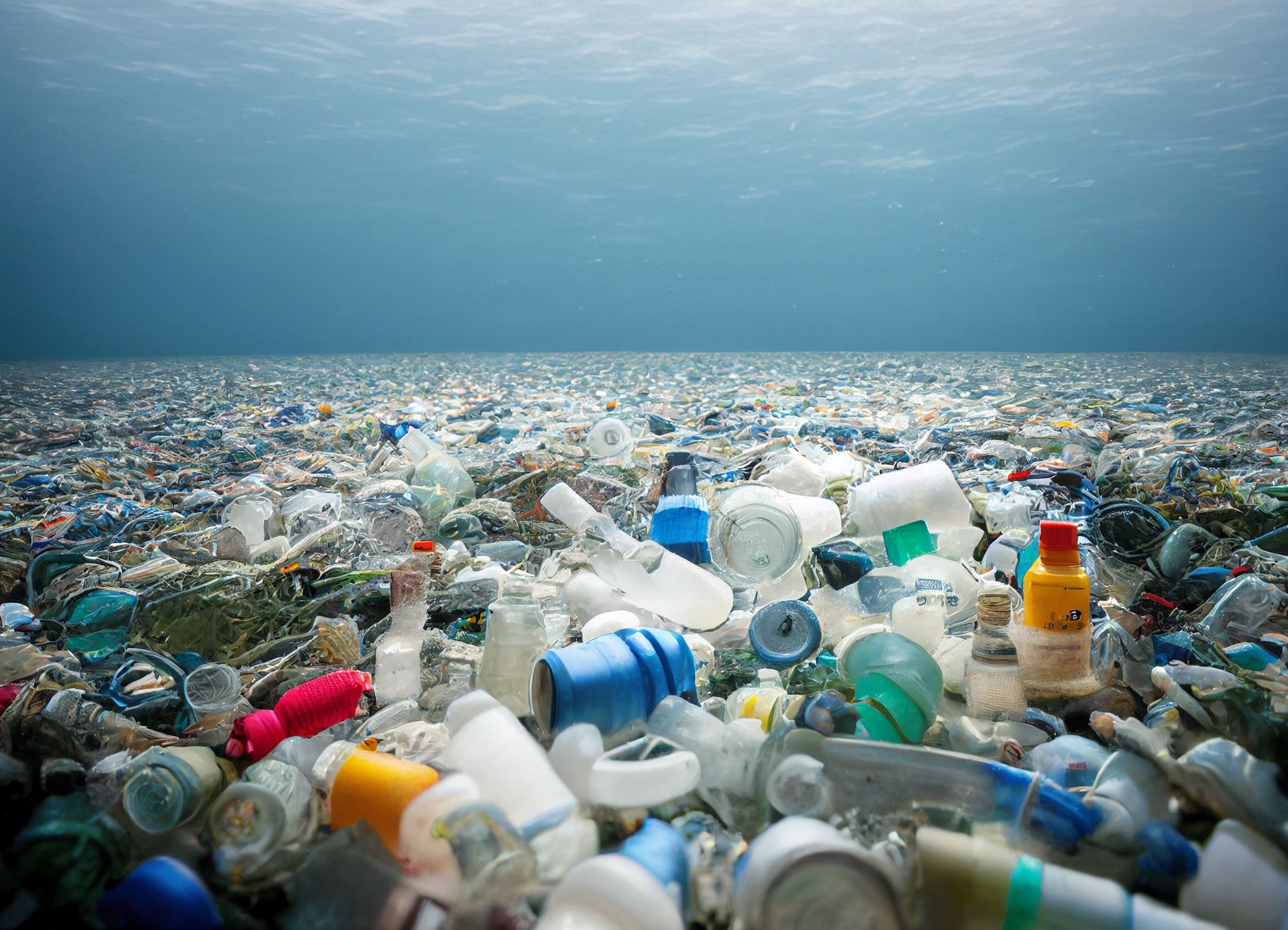
According to industry reports, South Africa has launched its first international training programme aimed at strengthening enforcement against illegal plastic waste trafficking and hazardous waste shipments moving through maritime trade routes.
The programme, held in Cape Town, brings together officials involved in customs enforcement, environmental regulation and border management to improve implementation of the Basel Convention Plastic Waste Amendments and strengthen controls on cross-border waste movements.
Speaking at the opening session, Narend Singh said stronger legislation alone would not be sufficient to curb plastic pollution and illegal waste trade without trained enforcement personnel.
“Real impact depends on skilled, knowledgeable and committed officials who can translate legal requirements into practical action,” Singh said. He added that customs and border officials must be able to identify suspicious shipments while managing legitimate trade flows.
The initiative focuses on improving technical expertise related to prior informed consent procedures, hazardous waste classification, customs risk management and enforcement coordination linked to international waste shipments.
South Africa said the programme responds to increasing concerns over illegal waste trafficking and marine plastic pollution, particularly as organised criminal networks become more involved in cross-border waste movements.
Government officials cited findings from the Custos Viridis operational report, which estimated environmental crime causes annual losses of between €80 billion and €230 billion globally. The report also highlighted links between waste trafficking, document fraud, illicit financial flows and organised crime activity.
Environmental crime is now regarded as the world’s fourth-largest organised criminal sector, according to officials participating in the programme.
South Africa has expanded domestic measures targeting plastic pollution in recent years through extended producer responsibility schemes, recycling initiatives and tighter waste regulations. Authorities said the Basel Convention amendments provide an international framework to support these domestic policies and prevent developing countries from becoming destinations for problematic plastic waste exports.
Singh said marine plastic pollution poses increasing risks to fisheries, biodiversity, tourism and coastal economies, particularly for countries with extensive coastlines and ocean-based industries.
The training programme combines technical workshops, enforcement exercises and international cooperation initiatives intended to improve coordination among regulators, scientists, investigators and prosecutors.
Officials said strengthening implementation capacity will be essential as global scrutiny of plastic waste exports and transboundary waste movements continues to increase.
Source: South African Government News Agency
SUNSHINE Spotlight: South Africa is expanding enforcement capabilities and international cooperation to strengthen oversight of illegal plastic waste shipments and marine pollution linked to global waste trade.


