


Thailand Moves Toward Producer-Responsibility Law as E-Waste Volumes Climb


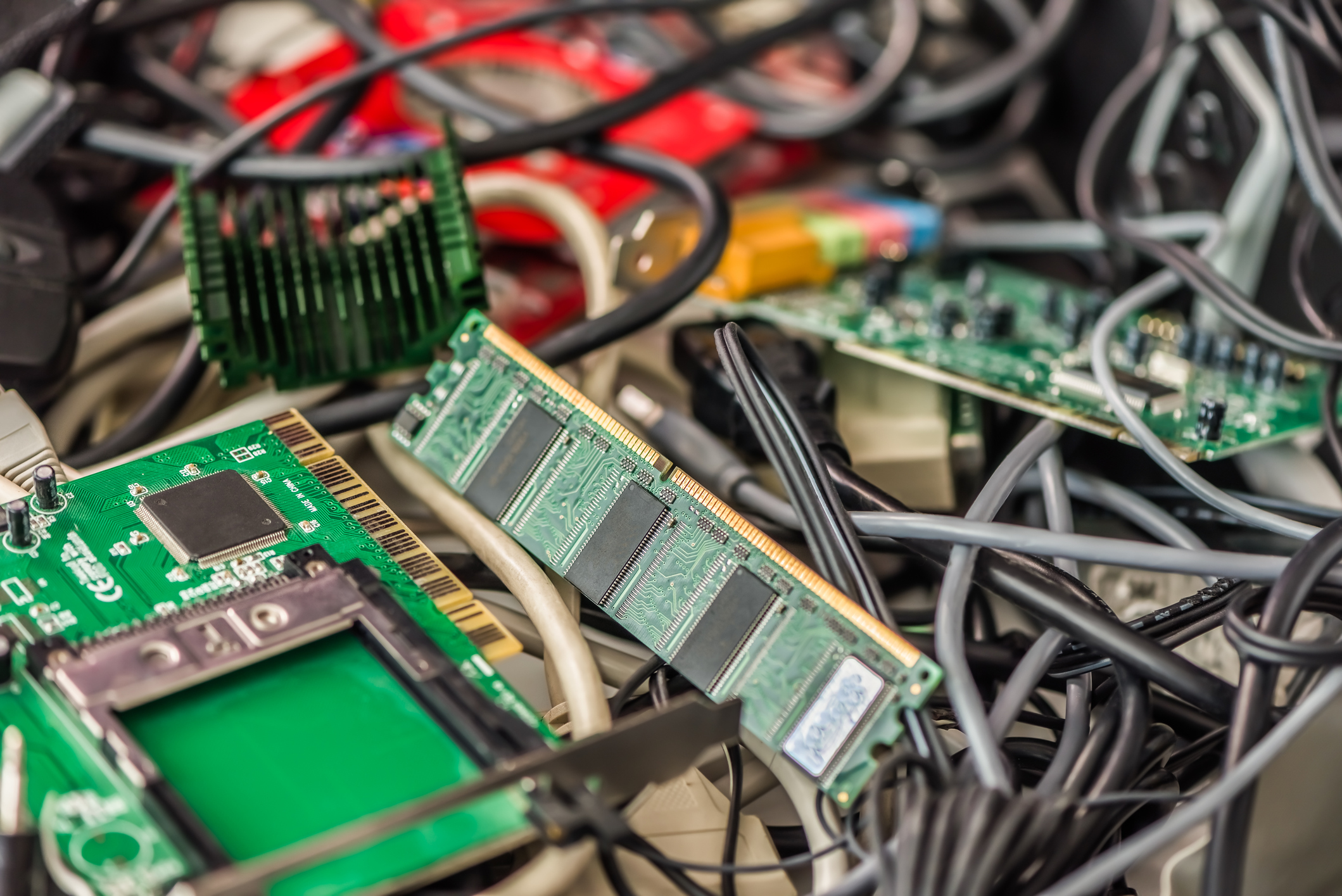
Thailand is preparing a new national law to manage a rapidly growing stream of electronic waste, as authorities warn that more than 400,000 tonnes of discarded devices are generated each year and much of it escapes formal recycling channels, according to government reporting.
The proposed legislation, known as the Electrical and Electronic Equipment Waste Management Act, is being advanced by the Pollution Control Department (PCD) and is built around the Extended Producer Responsibility framework, which would shift part of the burden for collection and recycling onto manufacturers and importers. Officials say the measure is intended to close regulatory gaps that have left Thailand reliant on informal disposal practices while demand for electronic products continues to rise.
Thailand’s e-waste challenge has intensified over the past decade alongside rising smartphone penetration, shorter device lifecycles and growing consumption of household electronics. Data published by the PCD show that total electronic waste exceeded 400,000 tonnes in 2023, a figure that has climbed steadily with the limited expansion of formal recycling infrastructure. Previous policy discussions have focused on voluntary take-back programs, but these efforts have struggled to scale.
Analysts say the absence of a nationwide collection system remains the central weakness. Research from the Thailand Development Research Institute indicates that large volumes of obsolete devices are either stored in households or sold into informal markets, where dismantling often occurs without environmental safeguards. Observers note that improper handling can release hazardous substances while undermining the recovery of high-value metals.
Under the draft law, producers would be required to participate in or finance systems that collect end-of-life electronics and route them to licensed recyclers. Officials argue that this approach could stabilize material flows, improve compliance, and attract investment into domestic recycling capacity. The PCD has highlighted the economic upside, noting that recycling one million mobile phones can recover significant quantities of gold, silver and copper, while avoiding emissions linked to primary mining.
Industry groups have cautiously welcomed the direction of the policy, saying clearer rules could level the playing field and reduce environmental risks tied to informal processing. Some manufacturers, however, have urged regulators to ensure that compliance costs are predictable and that collection targets are phased in gradually to avoid market disruption.
Policymakers face the task of aligning the new law with existing waste regulations and building public participation in formal take-back schemes. Analysts say enforcement and consumer awareness will determine whether the legislation can meaningfully redirect e-waste from homes and informal channels into regulated recycling streams.
Source: The Nation
SUNSHINE Spotlight: Thailand’s proposed producer-responsibility law aims to turn a growing e-waste problem into a regulated recycling system that captures value while reducing environmental harm.


