


EU Launches New Strategy to Strengthen a Competitive and Sustainable Bioeconomy


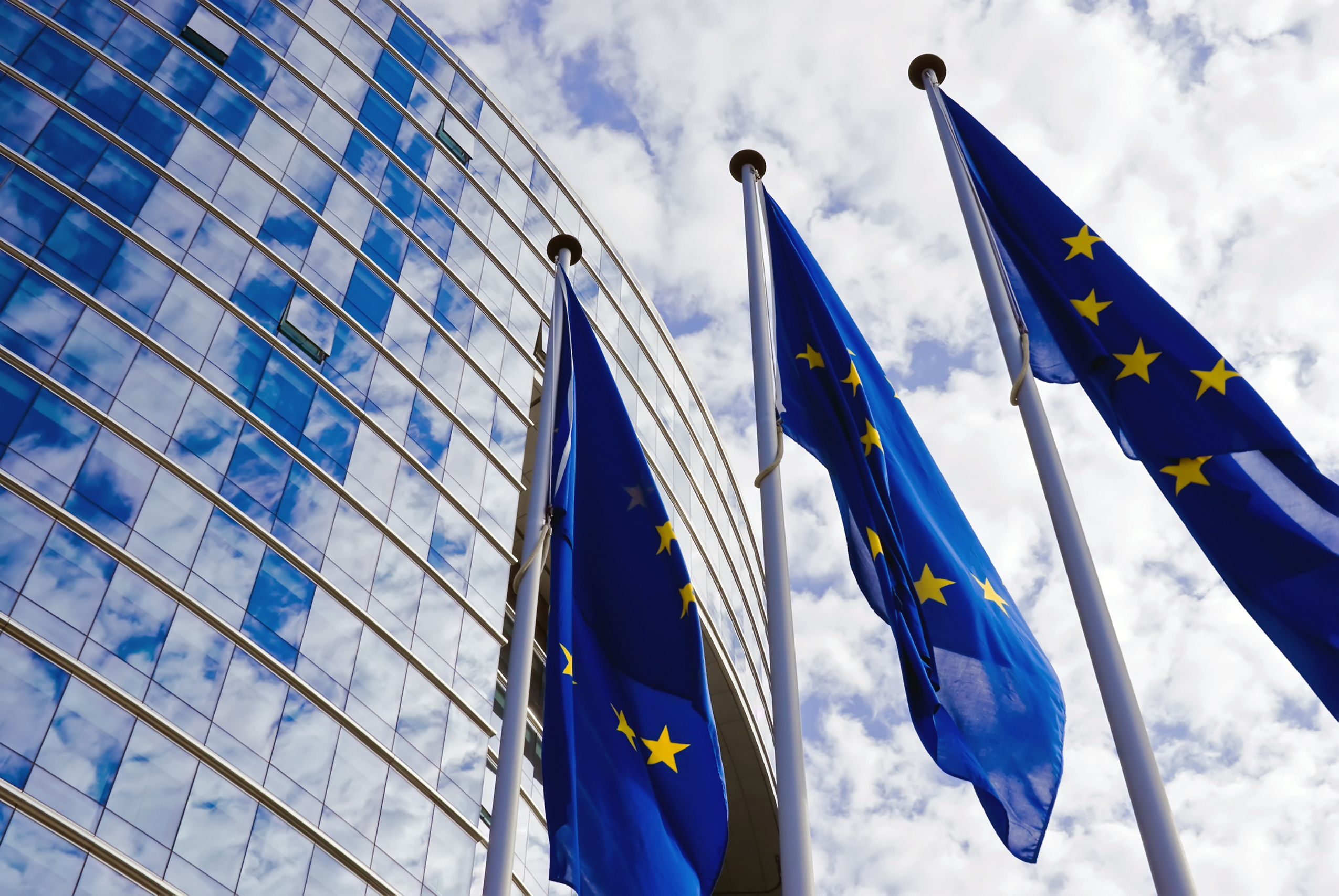
The European Commission has unveiled a new Strategic Framework designed to advance a “clean, competitive and resilient” bioeconomy across the European Union, according to a statement released by the Commission. The initiative aims to promote the use of renewable biological resources and encourage alternatives to critical raw materials across sectors including agriculture, forestry, fisheries, aquaculture, biomass processing, biomanufacturing, and biotechnology.
According to documents published by the Commission, bio-based solutions—from algae-derived chemicals in pharmaceuticals and personal care products to materials for industrial applications—are expected to see wider adoption as regulatory and investment support grows. Industry reports suggest that demand for bio-based plastics, construction materials, textile fibres, and fertilisers continues to rise across Europe. The Commission indicated that it intends to simplify regulations and create a coherent framework that supports circular business models while maintaining EU safety standards, directing both current and future funding toward bio-based technologies.
To stimulate private investment, the Commission plans to convene a Bioeconomy Investment Deployment Group, which is expected to develop a pipeline of bankable projects, share risks, and attract capital. The strategy identifies key markets—including bio-based plastics, fibres, textiles, chemicals, fertilisers, biorefineries, advanced fermentation technologies, and permanent biogenic carbon storage—as having significant commercial potential and environmental benefits. In addition, the Commission may introduce product-level targets for bio-based content to strengthen market demand and is preparing to launch a Bio-based Europe Alliance, through which participating companies could collectively procure up to €10 billion worth of bio-based solutions by 2030, according to draft plans. Additional measures are planned to reward farmers and foresters who implement sustainable biomass practices, protect soil health, and enhance carbon sinks.
The framework aligns with a broader push toward sustainable materials in Europe. More than 110 organisations from the plastics value chain have reportedly urged policymakers to narrow the price gap between virgin and recycled plastics, warning that the current disparity threatens recyclers and undermines circular economy objectives. The Commission has also issued guidance to Member States on calculating Extended Producer Responsibility costs under the Single-Use Plastics Directive, including cleanup expenses for cups, wrappers, packets, and lightweight carrier bags.
From an industry perspective, the renewed emphasis on bio-based production supports the EU’s long-term climate strategy, which increasingly favors low-carbon materials and technologies capable of substituting fossil-based inputs. Analysts indicate that tighter climate regulations, coupled with growing consumer and corporate demand for sustainable materials, are likely to accelerate investment in bio-based manufacturing and supply chains.
In summary, the Commission’s new framework represents a major step toward embedding bio-based innovation in Europe’s industrial landscape, aiming to unlock investment, boost market demand, and advance sustainability goals.
Source: European Commission
SUNSHINE Spotlight: The EU’s strategic push for a bioeconomy is set to expand renewable material use, attract private investment, and reinforce Europe’s circular and low-carbon industrial future.


