


Avro India Opens Large-Scale Flexible Plastics Recycling Plant as EPR Pressure Builds


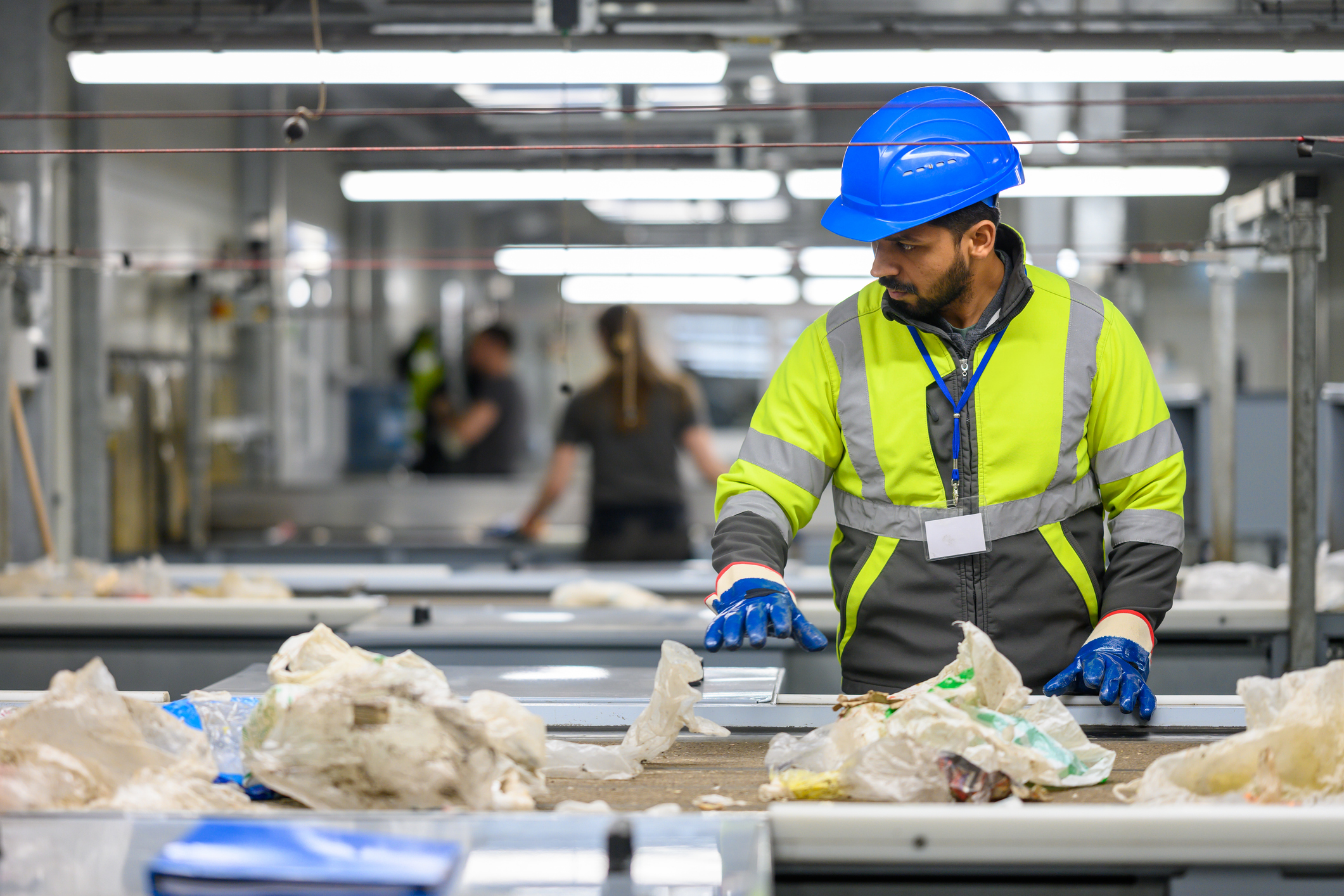
Avro India has commissioned what it says is the country’s largest flexible plastic recycling facility, a move that could ease a growing shortage of compliant recycled materials as India tightens rules on plastic use, according to company disclosures and industry reporting.
The new greenfield plant, located in Ghaziabad and operated through wholly owned subsidiary AVRO Recycling Limited, begins operations with a capacity of about 500 metric tonnes per month, with plans to double output by the end of the 2025–26 financial year. The company has invested roughly Rs 25 crore to date and expects total capital spending on the project to reach about Rs 55 crore by FY 2027.
India has struggled for years to manage flexible plastic waste, including multilayer packaging such as cement sacks and food-grade bags, which often bypass formal recycling systems. Government data show that flexible plastics account for a significant share of the country’s plastic waste stream, yet most of it has historically been downcycled, landfilled, or handled by informal operators. Previous policy initiatives focused largely on rigid plastics, leaving a technology and scale gap for more complex materials.
Avro says its facility is designed to process materials long considered uneconomic or technically unviable to recycle. After several years of internal research and pilot trials, the company claims to have developed a proprietary process that can upcycle mixed and contaminated flexible plastics into usable granules at industrial scale. Observers note that, if replicated, such systems could help formalize a segment of the recycling market that has remained fragmented.
The Ghaziabad plant feeds recycled material directly into manufacturing supply chains, including furniture, consumer appliances, and automotive components. Avro says the recycled resin can be supplied at a discount to virgin plastic while meeting durability and performance standards required by large manufacturers. Analysts say price stability and consistent quality are emerging as decisive factors for brands trying to meet sustainability targets without inflating costs.
The timing is closely linked to India’s Extended Producer Responsibility framework, which requires companies to incorporate minimum levels of recycled content in plastic products. Industry groups argue that compliance has been constrained less by willingness than by the limited availability of high-quality recycled feedstock. With capacity expansion planned, Avro is positioning itself as a large-scale supplier to brand owners facing tightening audit and reporting requirements.
Company chairman Sushil Kumar Aggarwal said the project reflects a shift from small, localized recycling efforts toward industrial solutions capable of handling national volumes. Industry analysts add that listed manufacturers entering recycling could accelerate consolidation in a sector still dominated by informal operators.
Avro, founded in 2002 and listed on both the NSE and BSE, has built a nationwide distribution footprint for plastic-moulded furniture, with tens of thousands of retail points across more than 20 states. Observers note that this downstream integration may give the company an advantage in absorbing recycled material internally while also serving external customers.
Source: Food Packaging Network
SUNSHINE Spotlight: Avro India’s new recycling plant signals a push toward industrial-scale solutions for flexible plastic waste as India’s recycled-content rules begin to bite.


